May 19, 2005
Yer Lor Lee
Hu Plig and Ua Neeb Ceremony
Yer Lor Lee, her family and her work as a Hmong shaman are represented in several subject galleries galleries. To learn more about her life story, please visit Yer Lee Shaman Oral History.
The following is an edited excerpt from the book Soul Calling: A Photographic Journey Through the Hmong Diasposa (©2012 Joel Pickford). It captures the photographer's response to seeing a ceremony like this for the very first time in 2005:
Lost and Found
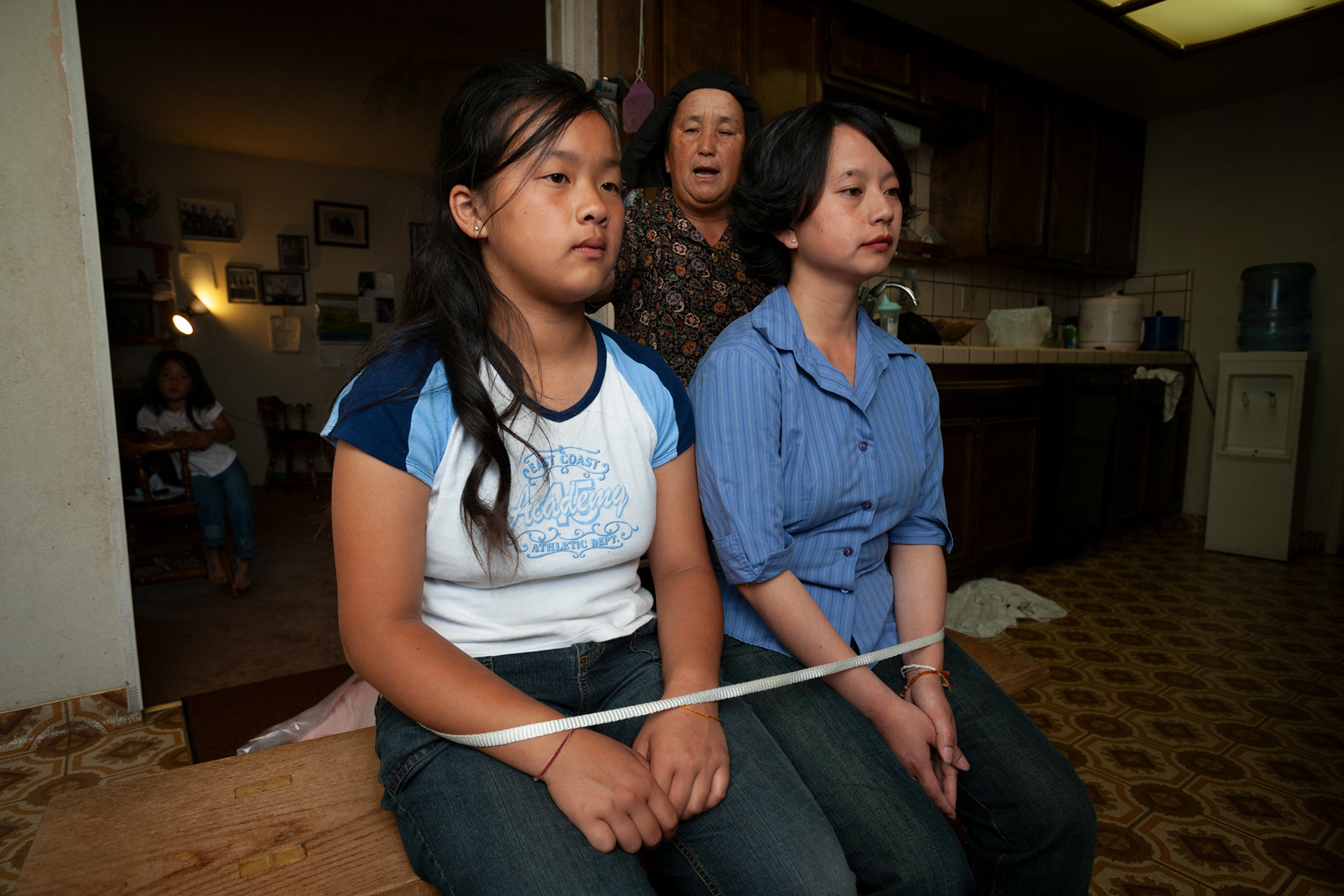
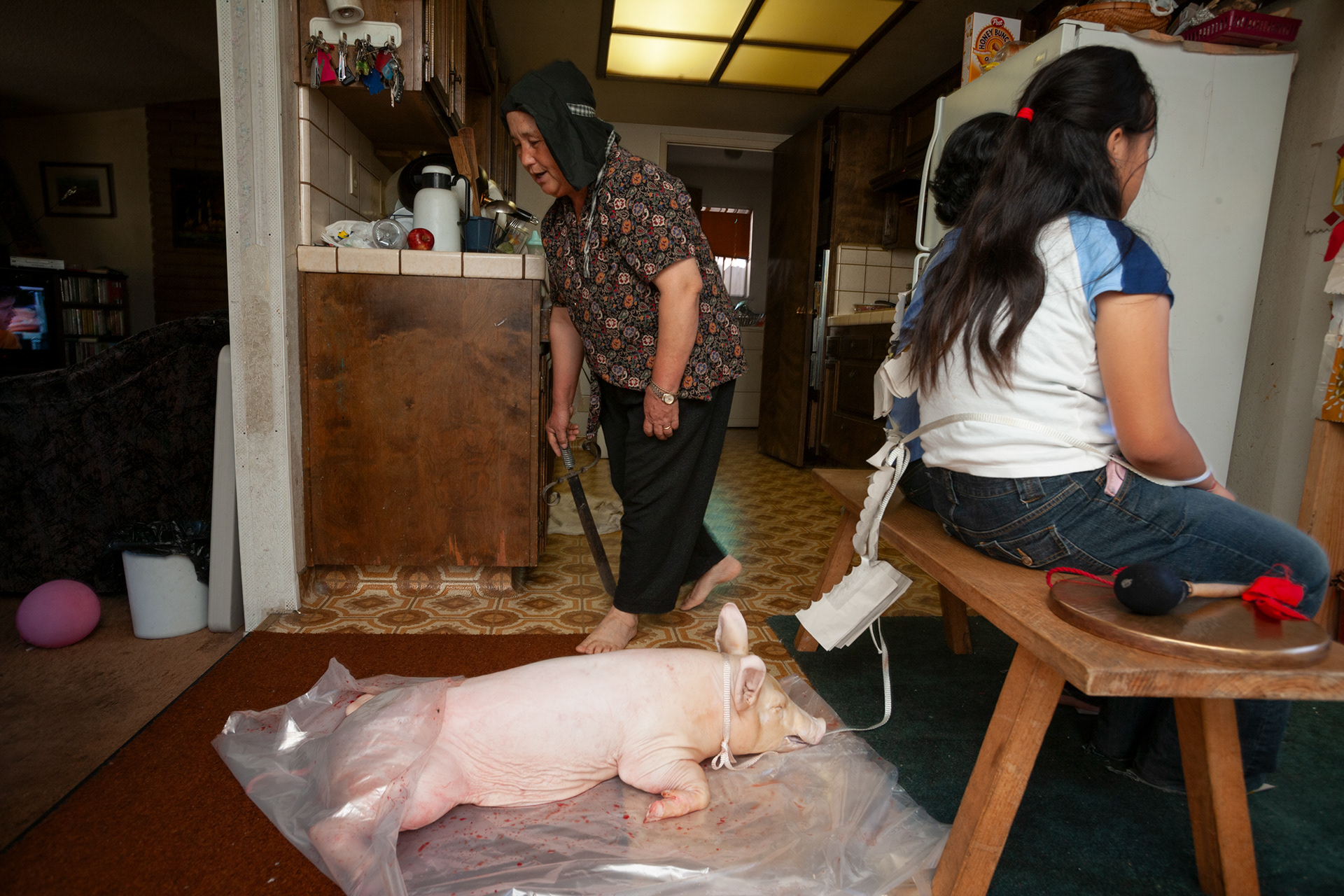
I arrive late to my first hu plig, awkwardly schlepping my bags of camera gear through the front door of an aging tract home in Southeast Fresno. I step over dozens of shoes that clutter the narrow entryway, adding my own conspicuously large runners to the jumble. The ceremony is already underway; two young women sit in the middle of the kitchen facing an altar covered in shiny gold paper and adorned with candles, Chinese herbs, water buffalo horns, incense, a black dagger, and an assortment of prescription medicine bottles. Behind them a dead pig lies belly-down on the floor, legs splayed out from its sides. Hours before the ceremony, in the predawn darkness, the pig was slaughtered, dipped in boiling water, and thoroughly scraped, leaving its naked skin the color of a newborn baby. A rope is tied loosely around the two women and then the pig, connecting their souls.
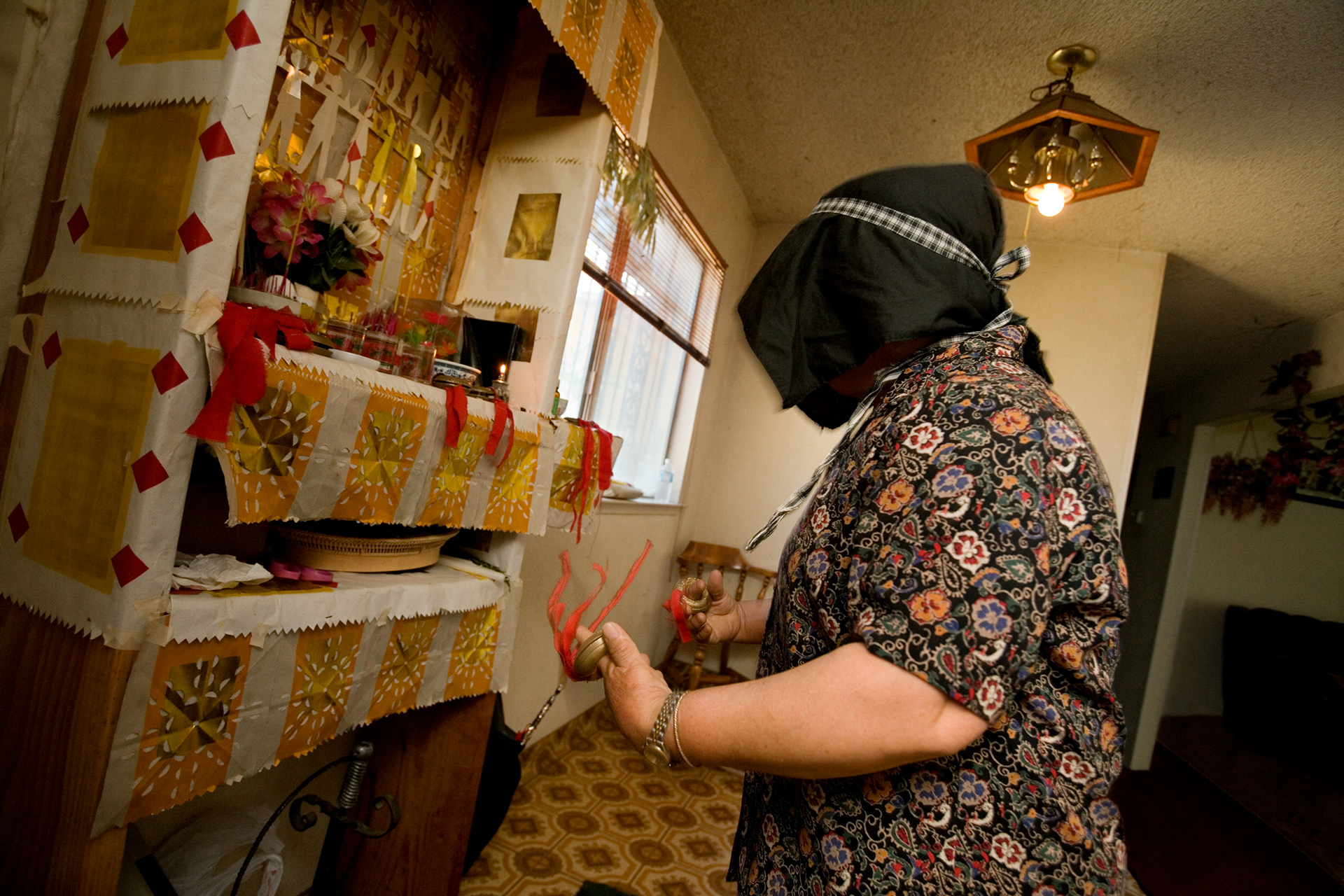
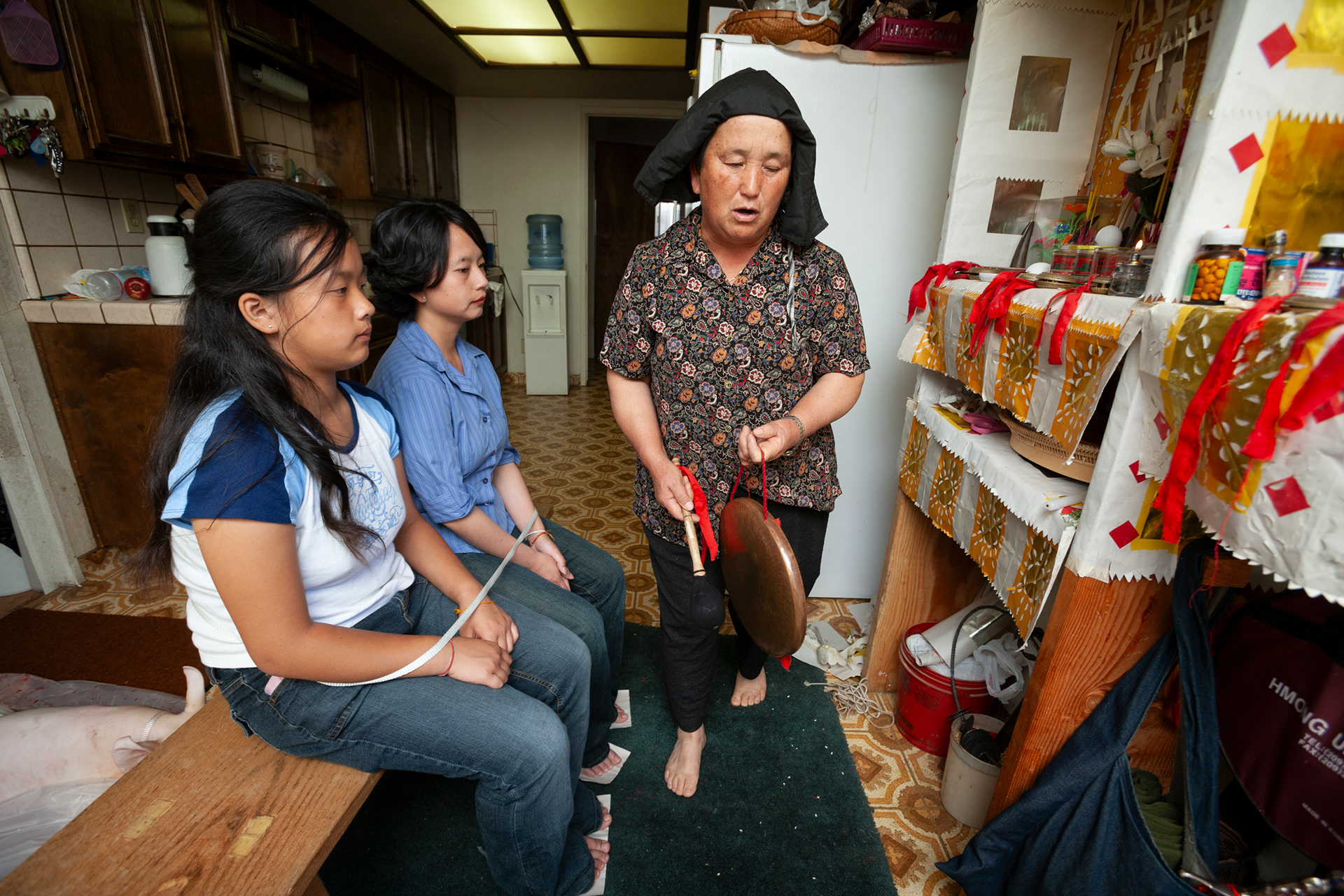
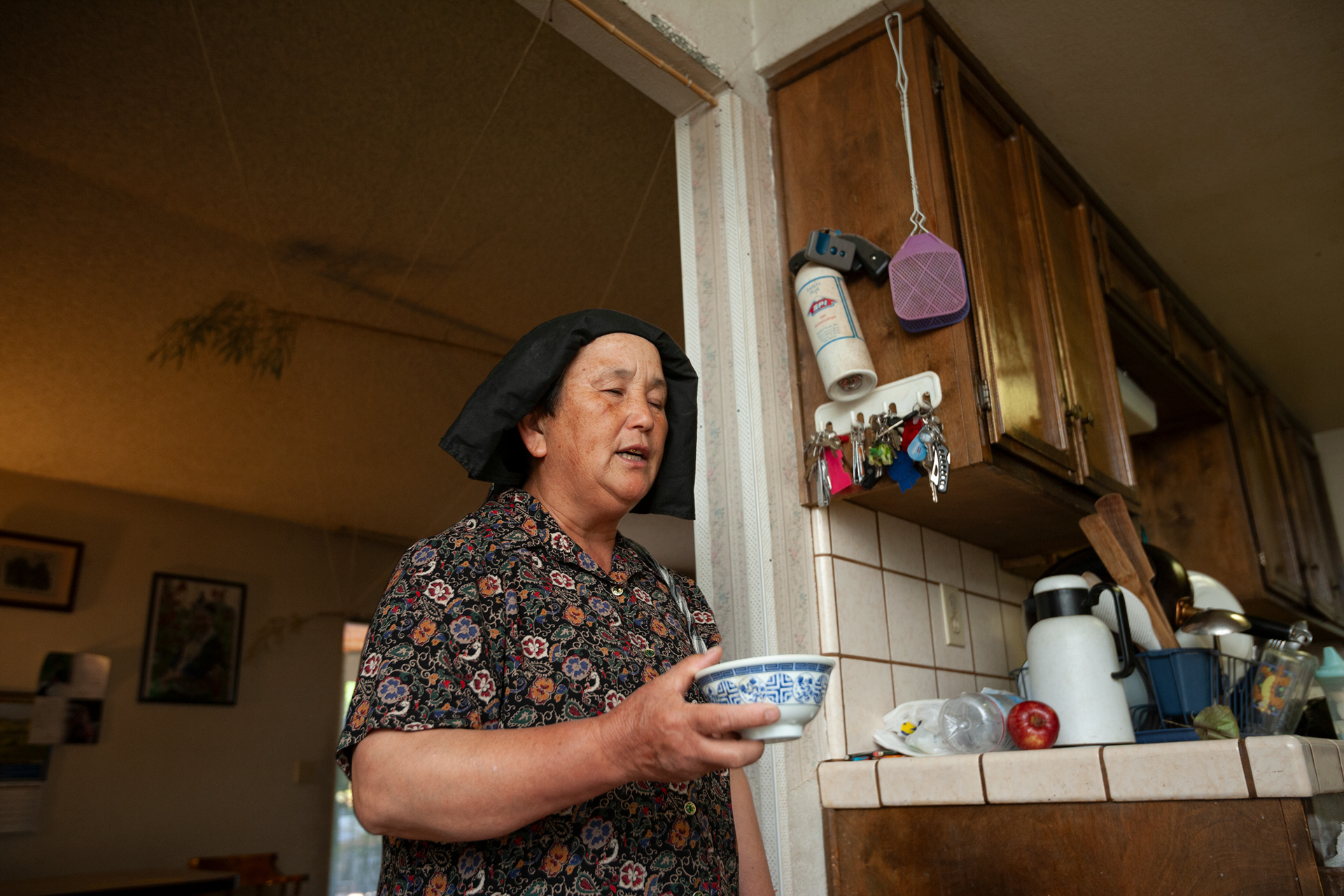
An older, barefoot woman wearing a black hood slowly circles them, beating a gong and chanting in low, musical tones. Next, she picks up a large iron saber with a heavy blade and drags it behind her, tracing the same circle on the linoleum floor. Cradling a small bowl of water, rice, and a cooked egg in both hands, she positions herself behind the pig. She shouts an incantation, takes a mouthful of water from the bowl, and sprays the two women. After repeating this twice, she unties the women, who are now free to go.
The Hmong believe that if you become ill, experience bad luck, or suffer any kind of loss or hardship, it is because your soul has either wandered away from your body or been kidnapped by the dab (“da!”), spirits that can be either good or bad depending on the circumstances. The purpose of a hu plig (“hoo plee”), or soul calling ceremony, is to return the soul to its owner. This involves the sacrifice of at least one animal, whose soul is bartered for the missing person’s soul in the spirit world. The Hmong believe that pigs, chickens, and cows are always reincarnated as other pigs, chickens, and cows, so that their souls are merely borrowed for the ceremony. Like many American families, who pay someone else to kill a turkey for their Thanksgiving dinner, the Hmong invite all of their relatives for a feast following the ceremony. No part of the animal is wasted.
The two young women for whom the hu plig is being performed are actually mother and daughter, separated in age by just fifteen years. They have recently emerged from an abusive relationship with the mother’s ex-boyfriend, a Lao refugee who has lived half of his life in Thai camps and the other half in California. Estranged from his own family, he is caught in a void between two cultures he does not fully understand. Add the longstanding conflicts between Hmong and Lao to the mix and you have a volatile formula for domestic strife.
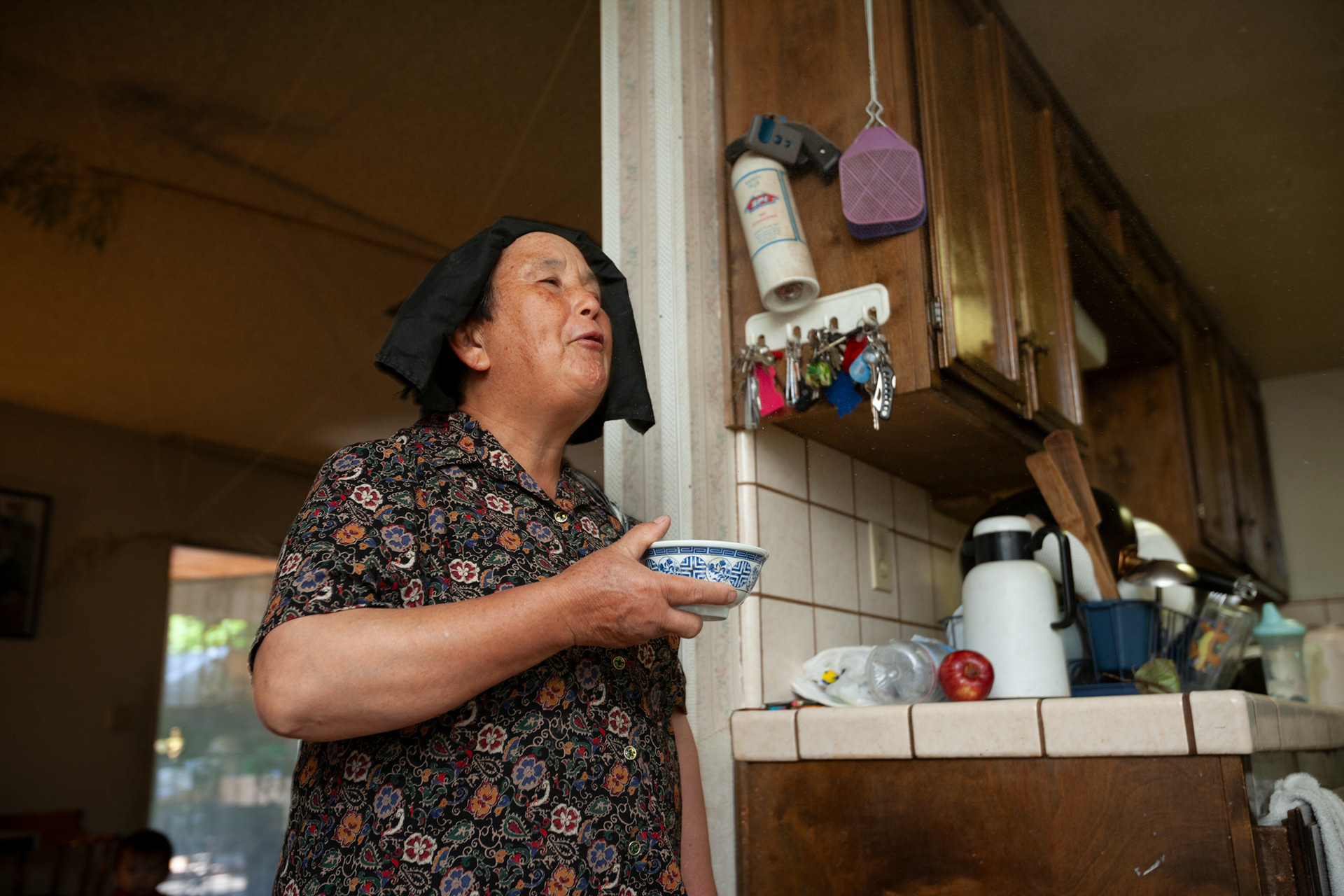
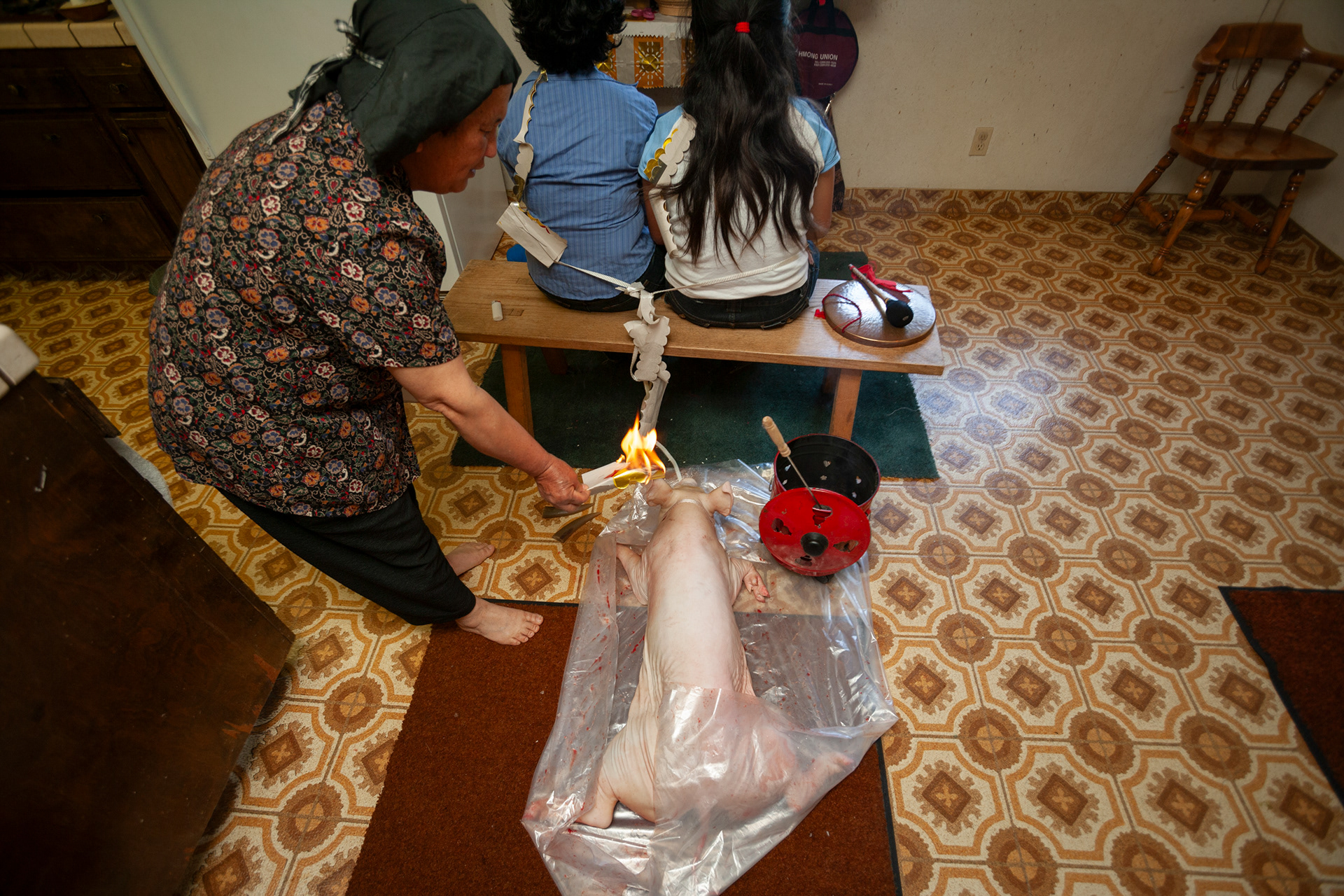
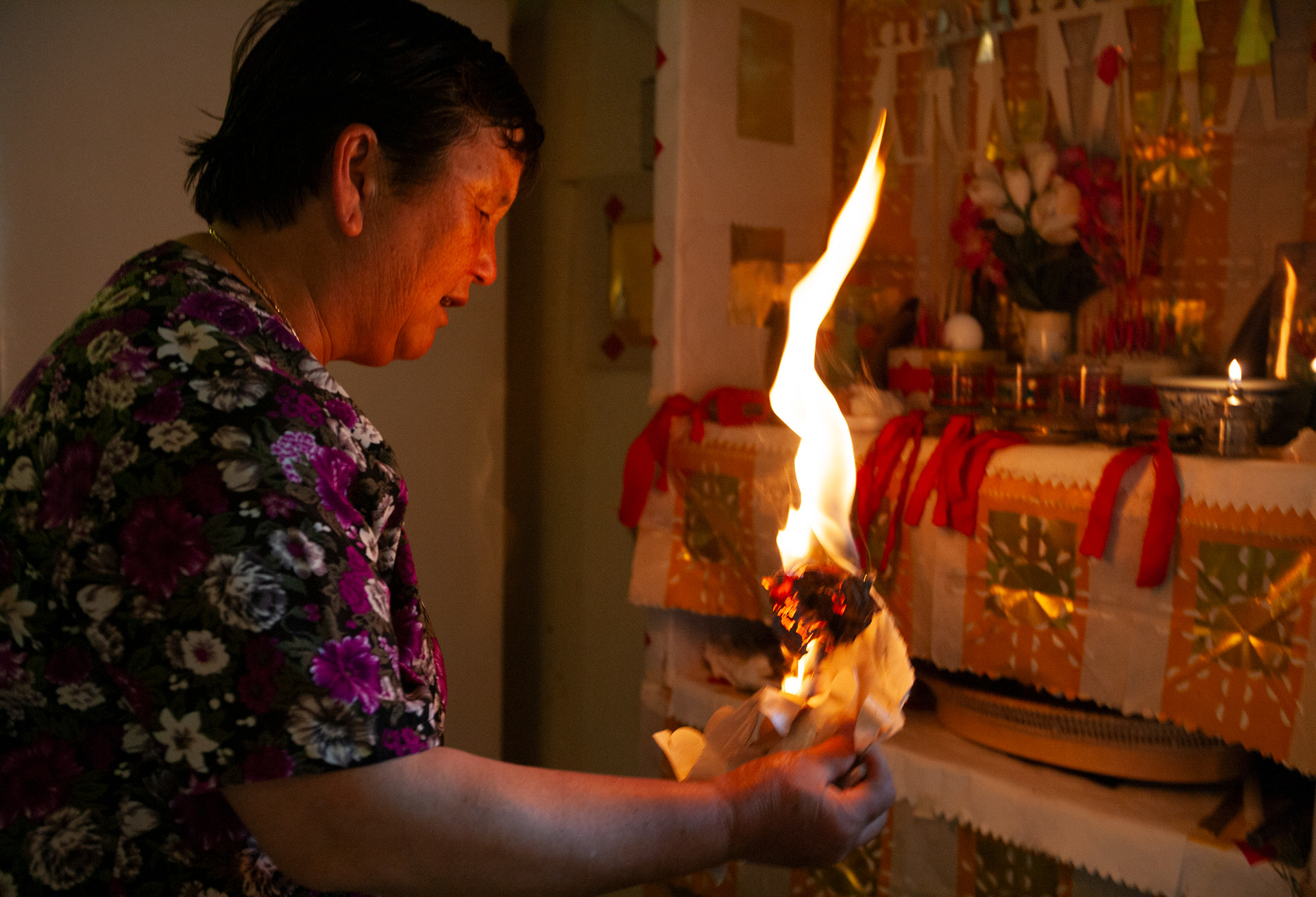
In a hu plig ceremony like this one, the nature of the person’s malady determines the size and quantity of the animals to be sacrificed. In this case the shaman has prescribed one pig and two chickens. After the two women leave the kitchen, the shaman sets a small pile of “spirit money” on fire and chants softly as it bursts into flame then quickly disintegrates into ashes that fall to the floor. Fortunately, the battery in the ceiling-mounted smoke detector has long since died.
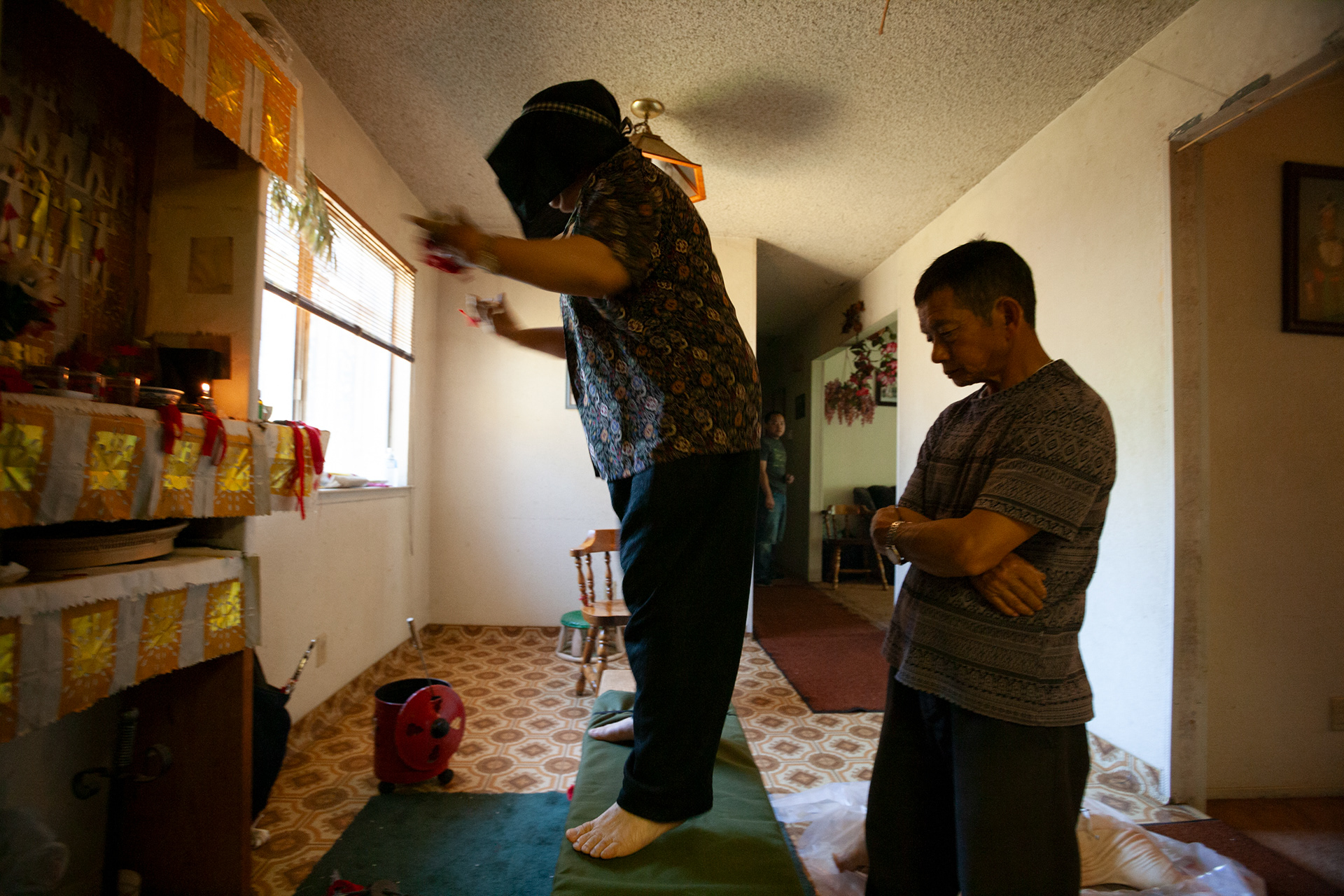
Next the shaman lowers the black hood all the way over her face and goes into a ua neeb (“wa neng”), or blind spirit trance, filled with intense musical chanting, wild exhortations, and talking in tongues. She beats out a steady rhythm with a pair of shrill finger bells. The high energy ritual goes on for more than two hours as complacent family members casually saunter into the kitchen for a cold drink and then go back to the living room to watch Hmong bullfight videos from Laos. The intensity of the hooded shaman’s trance builds as she begins jumping up and down on the bench, occasionally leaping to the floor and then back up again. Her sonorant vocalizing weaves a long narrative, part memorized, part improvised, that takes her back through many generations of her family’s history, revisiting the births, deaths, marriages, sorrows, and unpaid debts of her ancestors.
For the Hmong, the wooden bench in front of the altar represents a horse that the shaman rides into the spirit world to negotiate the return of the missing soul. The Hmong were once an equestrian people, riding small, sturdy horses with thick, bristled manes throughout the mountains of southern China and, later, northern Laos. Very few of these animals are found today in either country, as motorbikes, songthaew, and other conveyances have made them nearly obsolete.
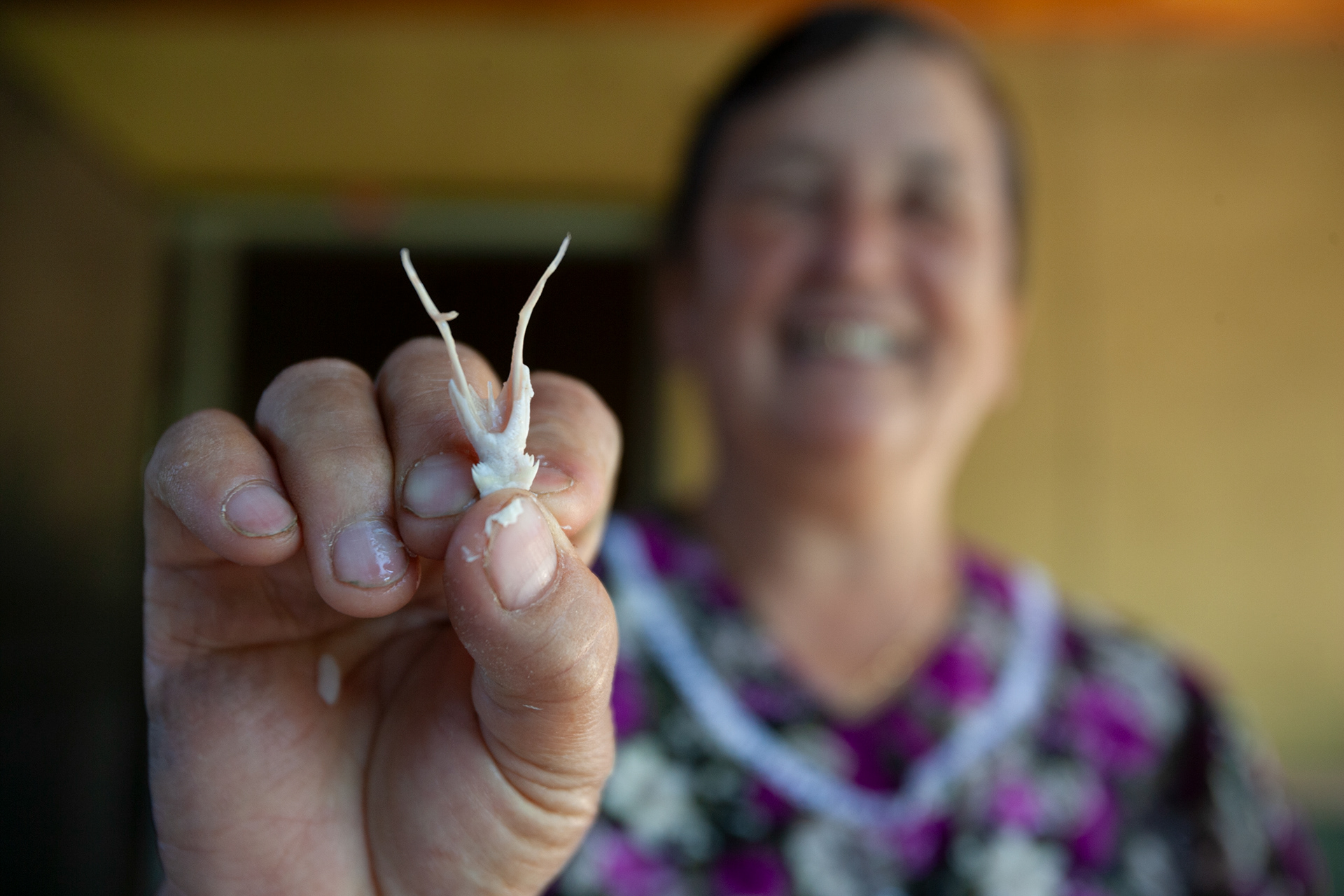
After more than two hours of extreme physical and emotional exertion, the sweat-soaked shaman steps off her wooden horse, pulls off her black hood, mops her brow, and joins nearly fifty relatives for a feast of barbecued pork, chicken soup, rice, boiled vegetables, a congealed blood dish, and assorted cooked entrails. She examines the two chickens that her sons have killed and cooked during the ceremony, breaking into a satisfied smile. The translucent craniums and curved tongues of the boiled fowl are auspicious signs that the souls of the two women have come back. She gives the mother a new, secret name, in order to trick the dab into thinking that she is another person, so they will not steal her soul again.
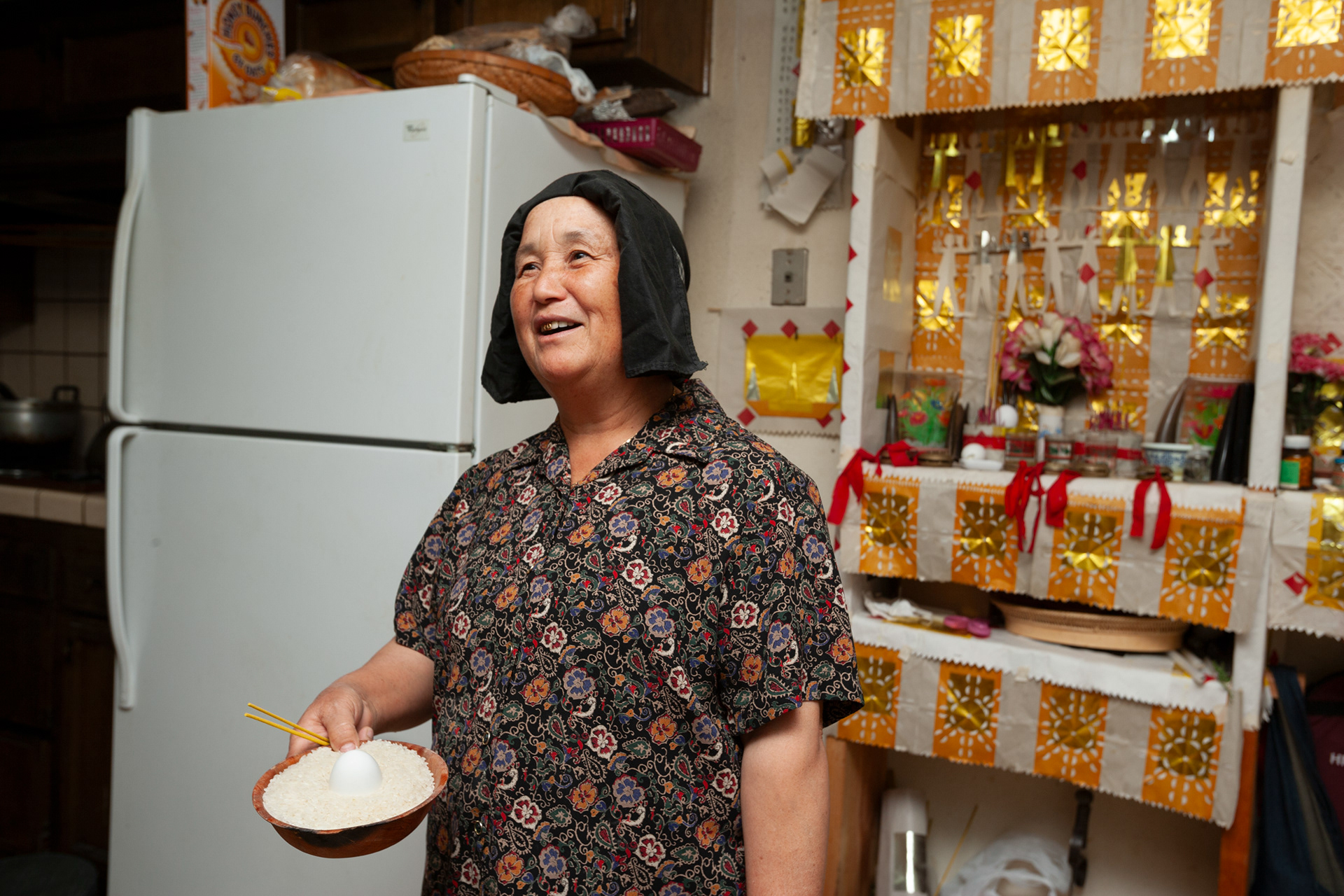
Lee hu plig1-01
Yer Lee begins the Soul Calling ceremony, as Hmong shamans always do, with a hard-boiled egg in a small bowl of rice. The egg represents the lost soul of the person being healed and the rice is a food offering to the spirits encouraging them to guide the soul safely back to its owner, May 19, 2005
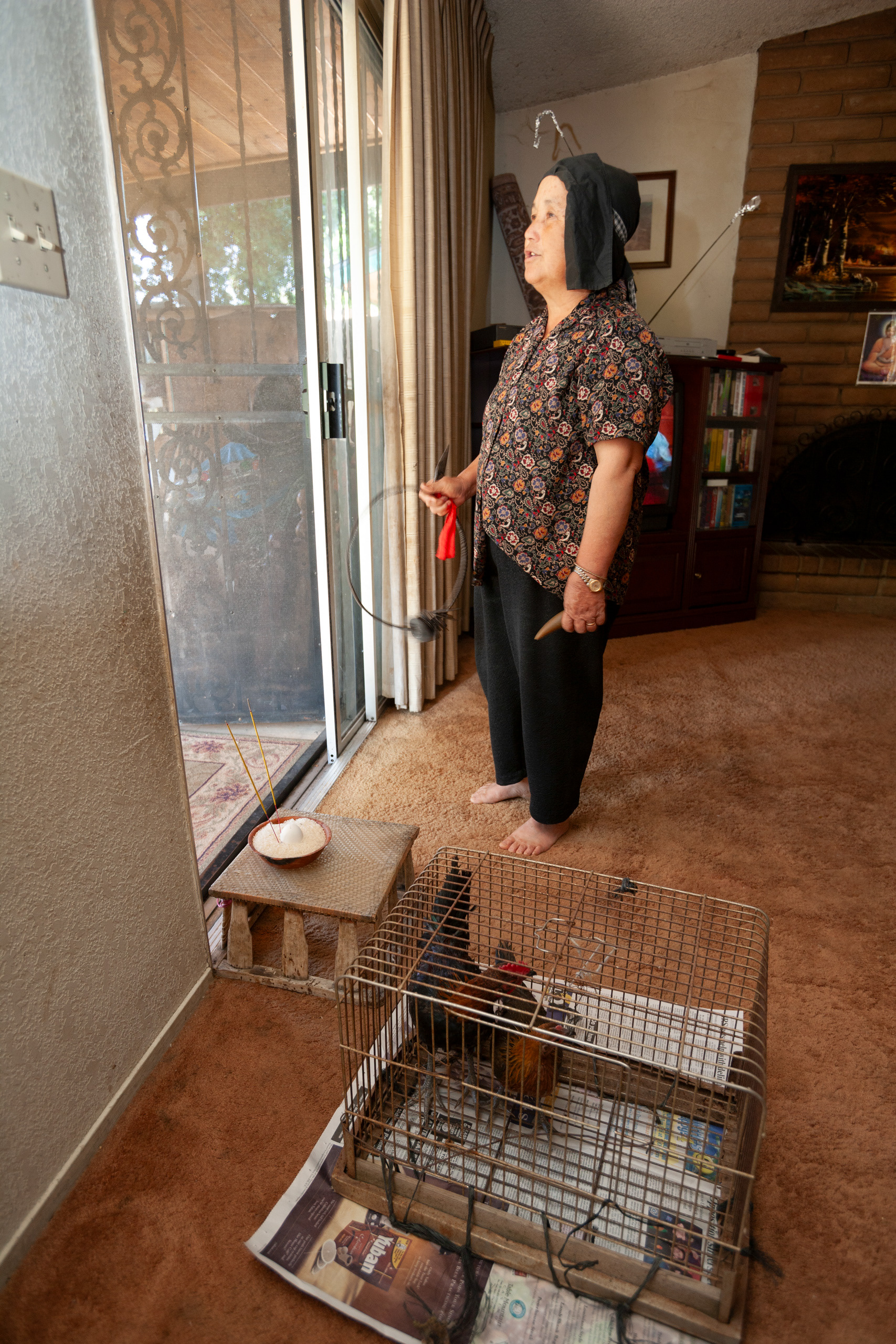
Lee hu plig1-02
Following standard practice, Lee move to the back door of the house, calling the soul with a series of chants accompanied by rhythmic sounds on her rattles, May 19, 2005
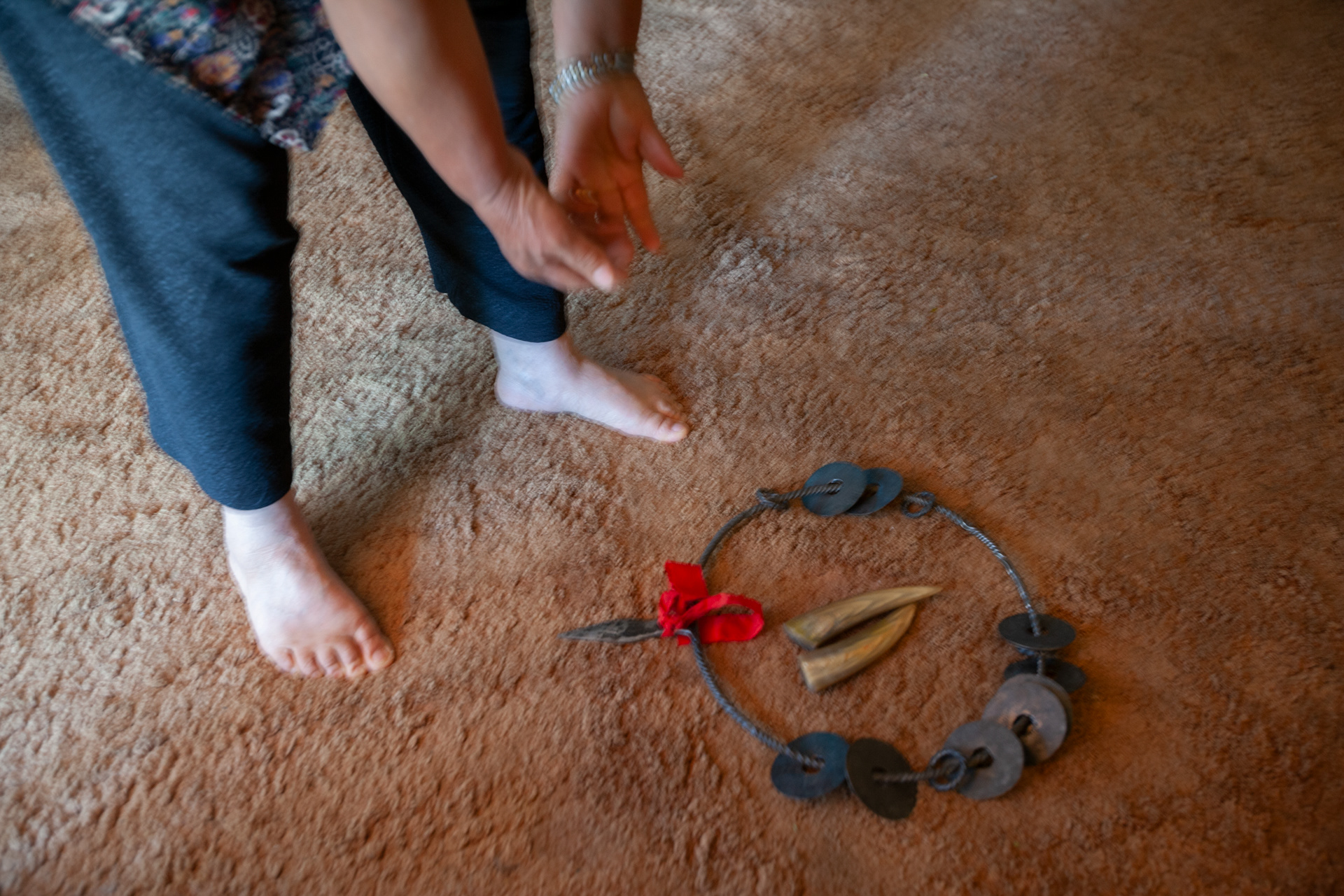
Lee hu plig1-03
Next, Lee throws a pair of split buffalo horns on the ground several times until they both land face up. This signifies that the animals to be sacrificed, in this case a pig and two chickens, are ready to give their souls so that they may be exchanged for the return of sick person’s soul. The Hmong believe that these animals will be reincarnated in the near future and that their souls are only borrowed for a short time to help heal the sick person, May 19, 2005
Lee hu plig1-04
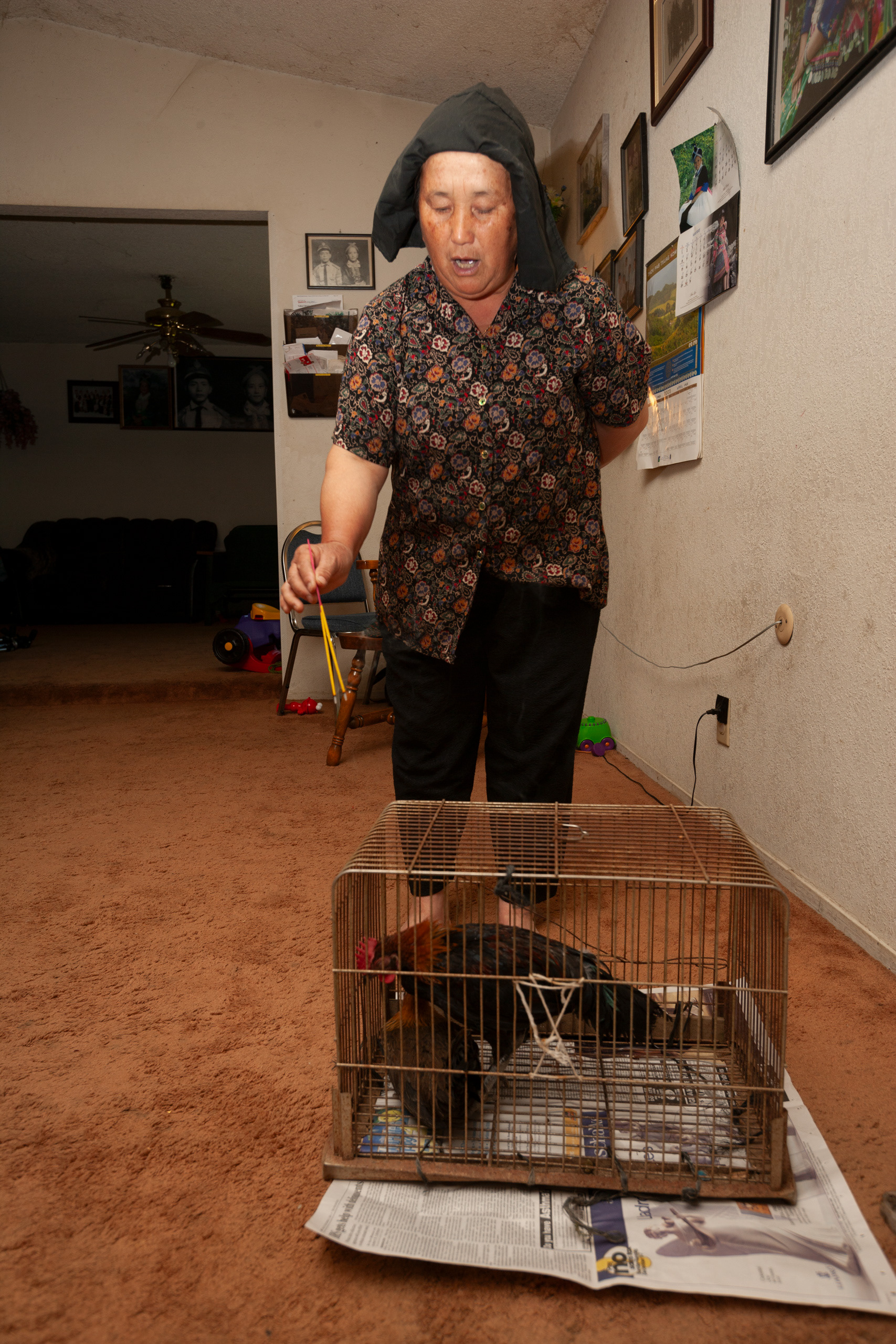
Next, Lee waves incense over the sacrificial chickens as she incants a blessing to protect their souls during the ceremony, May 19, 2005
Lee hu plig1-05
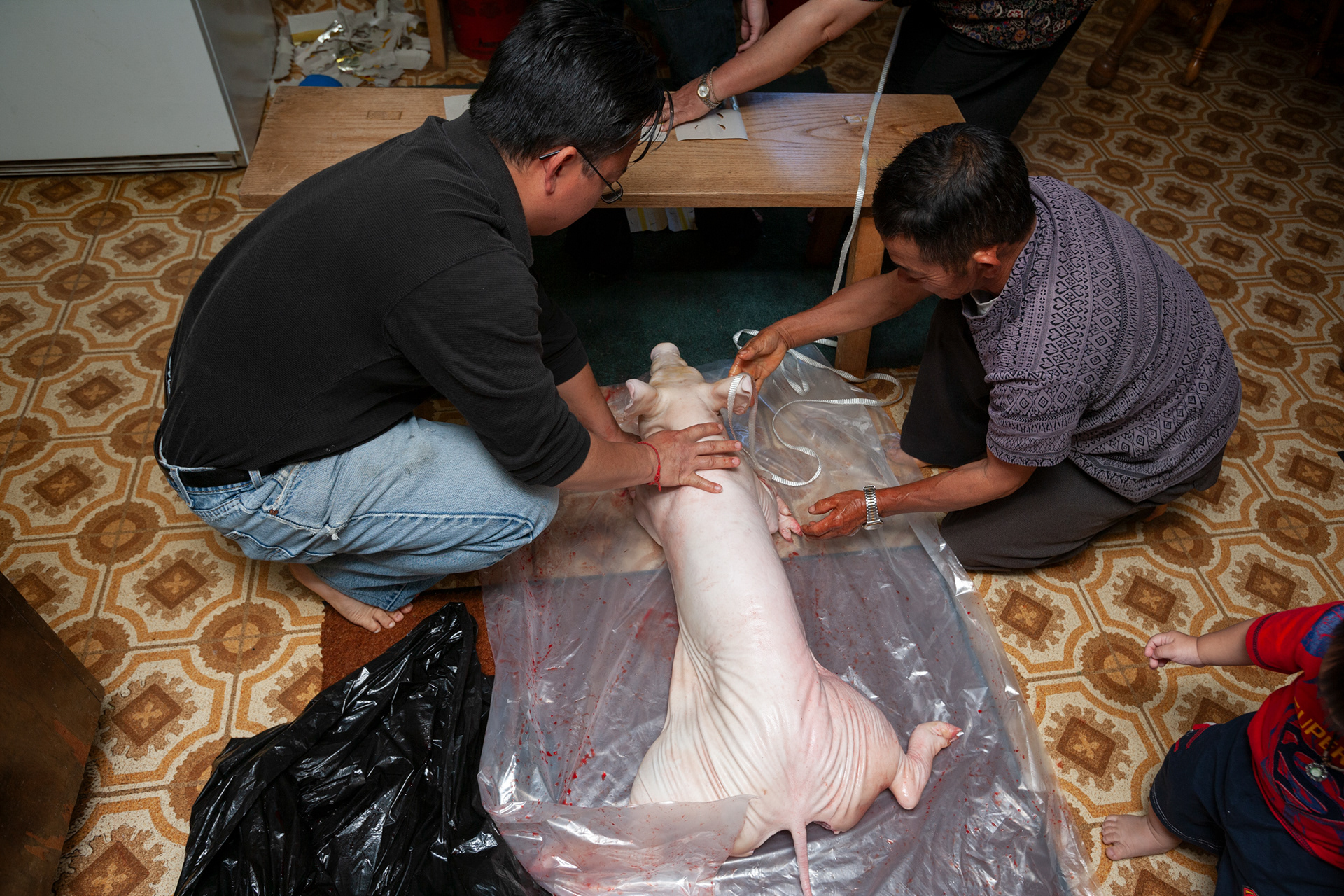
Meanwhile, Lee’s oldest son, Xeng (left) and her husband, Wa (right) prepare a pig that has already been professionally butchered, placing it on the floor behind the bench where the two patients will sit.
In Laotian Hmong villages, a live pig is hogtied and later killed on the floor of the house at the end of the ceremony . However American Hmong worry that neighbors might be offended by the sound of the squealing pig, so they have modified the ceremony, May 19, 2005
Lee hu plig1-06
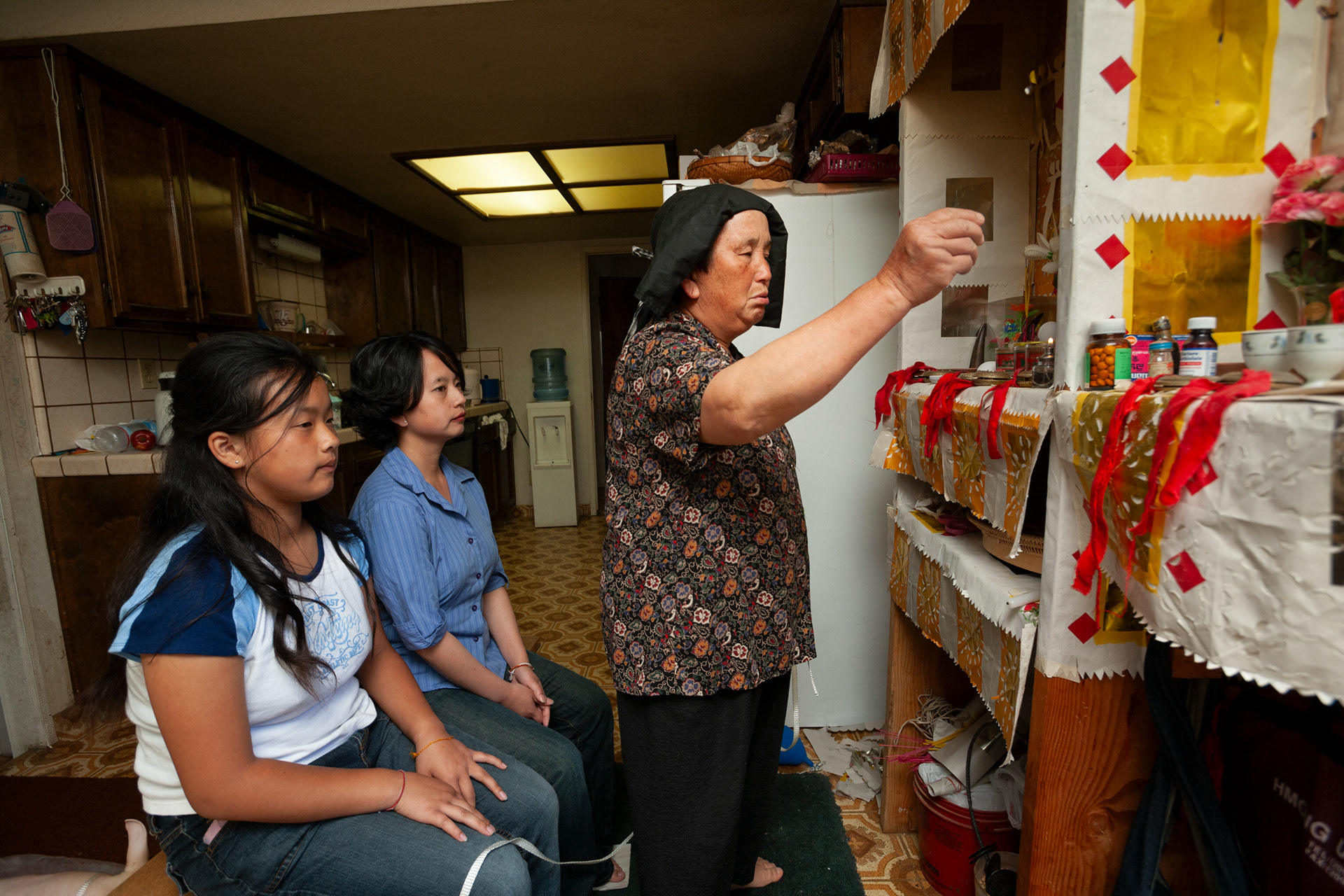
Lee checks the arrangement of her accoutrements on the altar and performs a chant punctuated with vibrating lip trills, a sound that all Hmong shamans use, May 19, 2005
Lee hu plig1-07
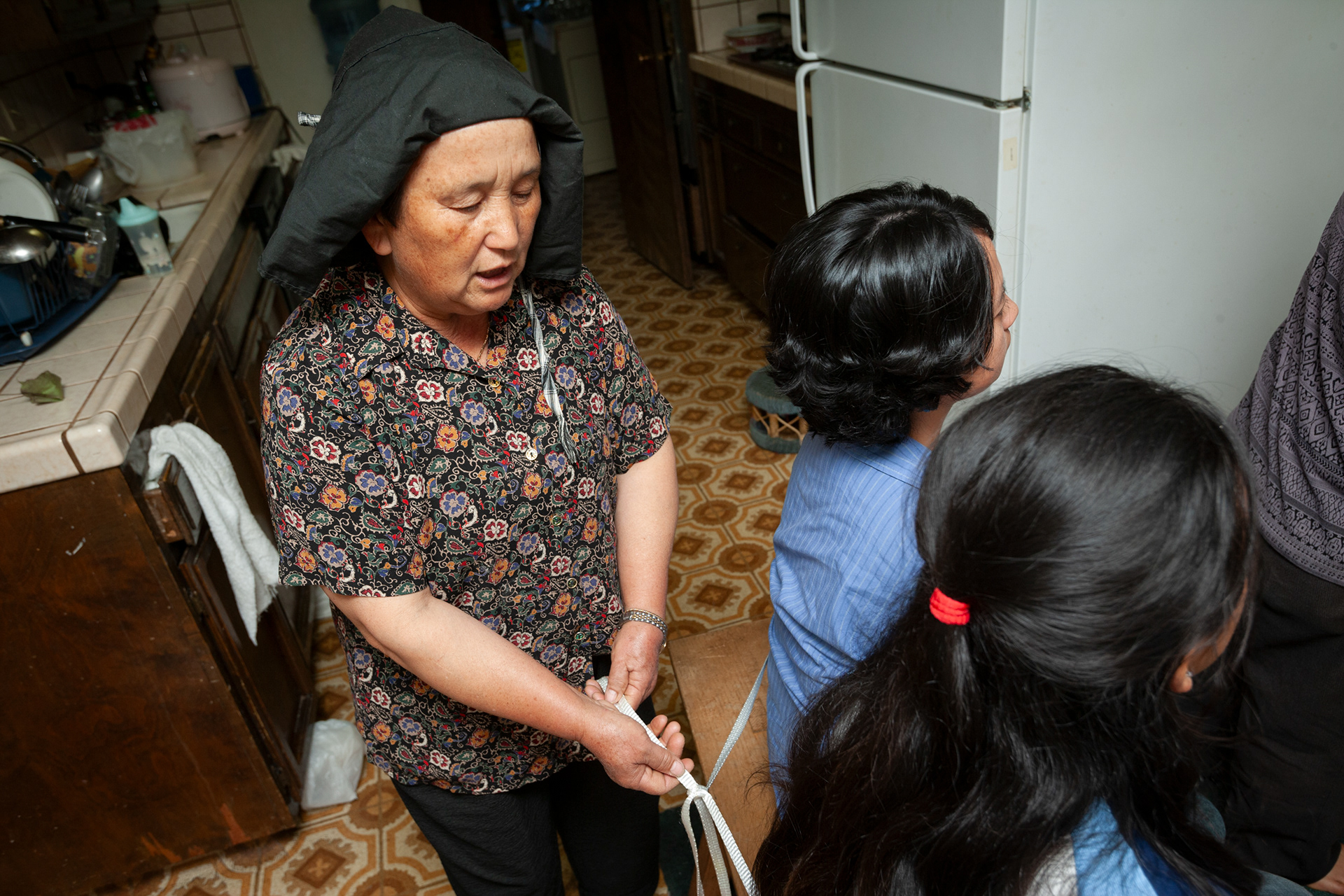
Lee ties a band around her two subjects, connecting their souls to the pig’s soul, May 19, 2005.
Lee hu plig1-08
With the band also tied to the pig, the chanting intensifies as Lee keeps up a dialog with the spirits and ancestors, May 19, 2005.
Lee hu plig1-09
Chanting and beating the gong, Lee circles her subjects and the pig in a clockwise direction, creating a protective enclosure for the souls, May 19, 2005.
Lee hu plig1-10
Next, Lee drags a sabre, tracing a counterclockwise circle around her subjects and the pig, May 19, 2005.
Lee hu plig1-12
Standing behind her subjects, Lee voices a loud incantation, then takes a mouthful of water from a small bowl, May 19, 2005.
Lee hu plig1-12
Lee sprays the water from her mouth toward the subjects to frighten the bad spirits away, May 19, 2005.
Lee hu plig1-13
Lee burns spirit money twice: once to summon the pig’s soul, and a second time to let the pig know that it can reincarnate after one year. This request and the ensuing conversation are done in a very respectful tone, May 19, 2005.
Lee hu plig1-14
The Hu Plig or soul calling portion of the ceremony is now complete. The two subjects are untied and free to get up and join other family members. Now the Ua Neeb or spirit journey ceremony begins. Ua Neeb is the Hmong name for the guest spirit that guides the shaman, May 19, 2005.
Lee hu plig1-15
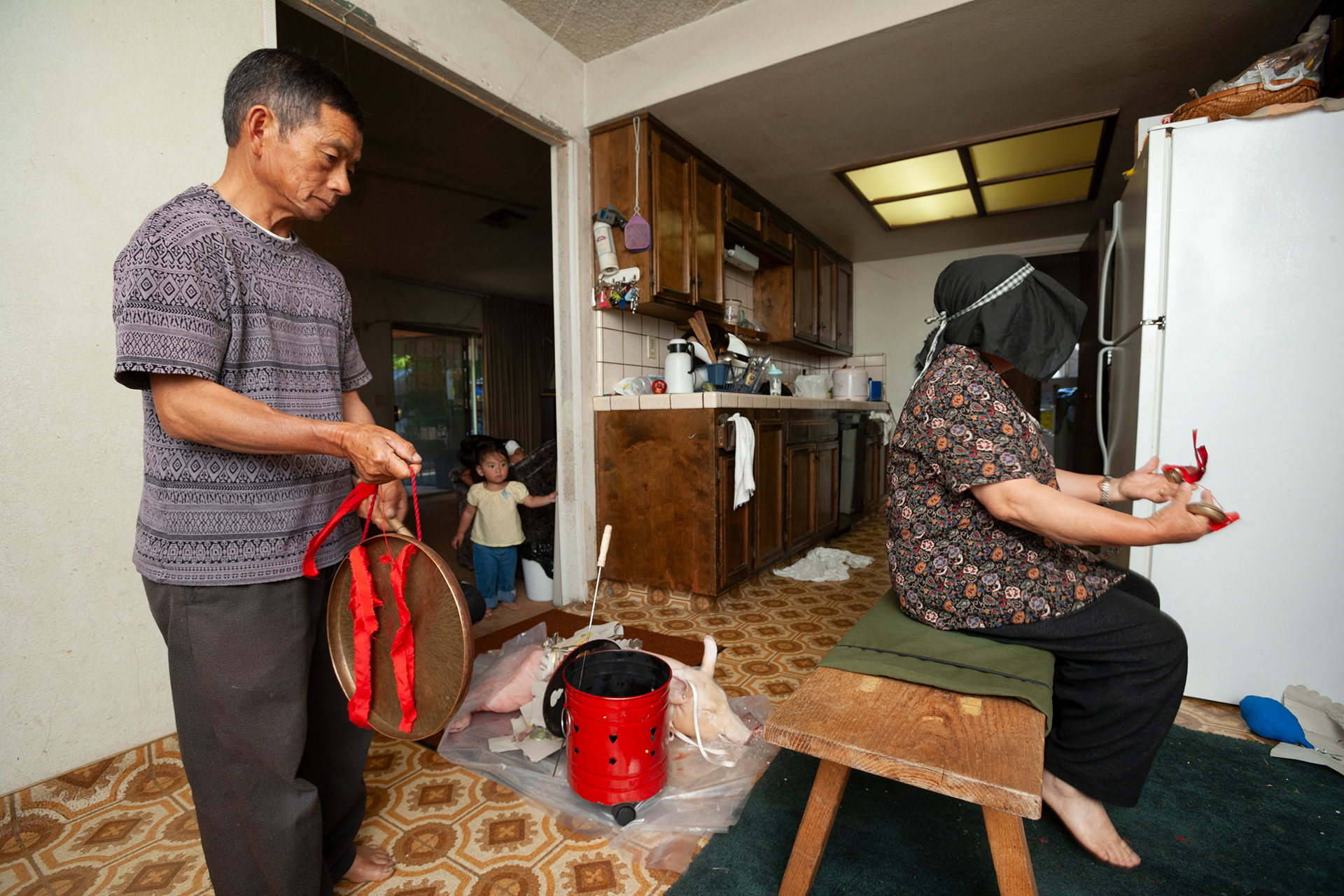
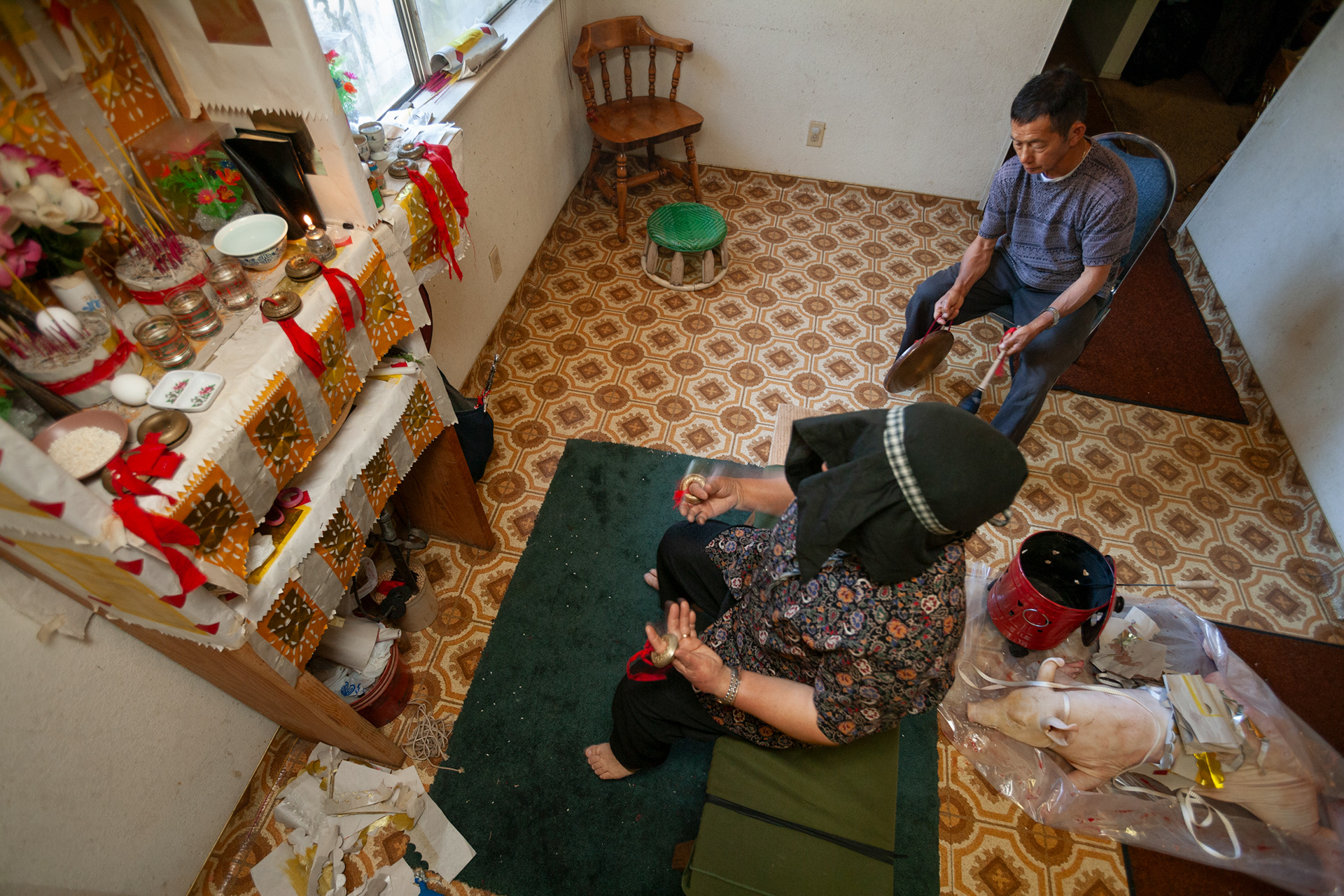
Seated on a wooden bench that represents a horse, Lee now begins a journey into the spirit world, guided by Ua Neeb, the guest spirit. Her husband, Wa Lor Lee, keeps up a steady beat on the gong to frighten away bad spirits. The finger bells’ high pitched, “ching, ching, ching” sound serves the same ceremonial purpose, May 19, 2005.
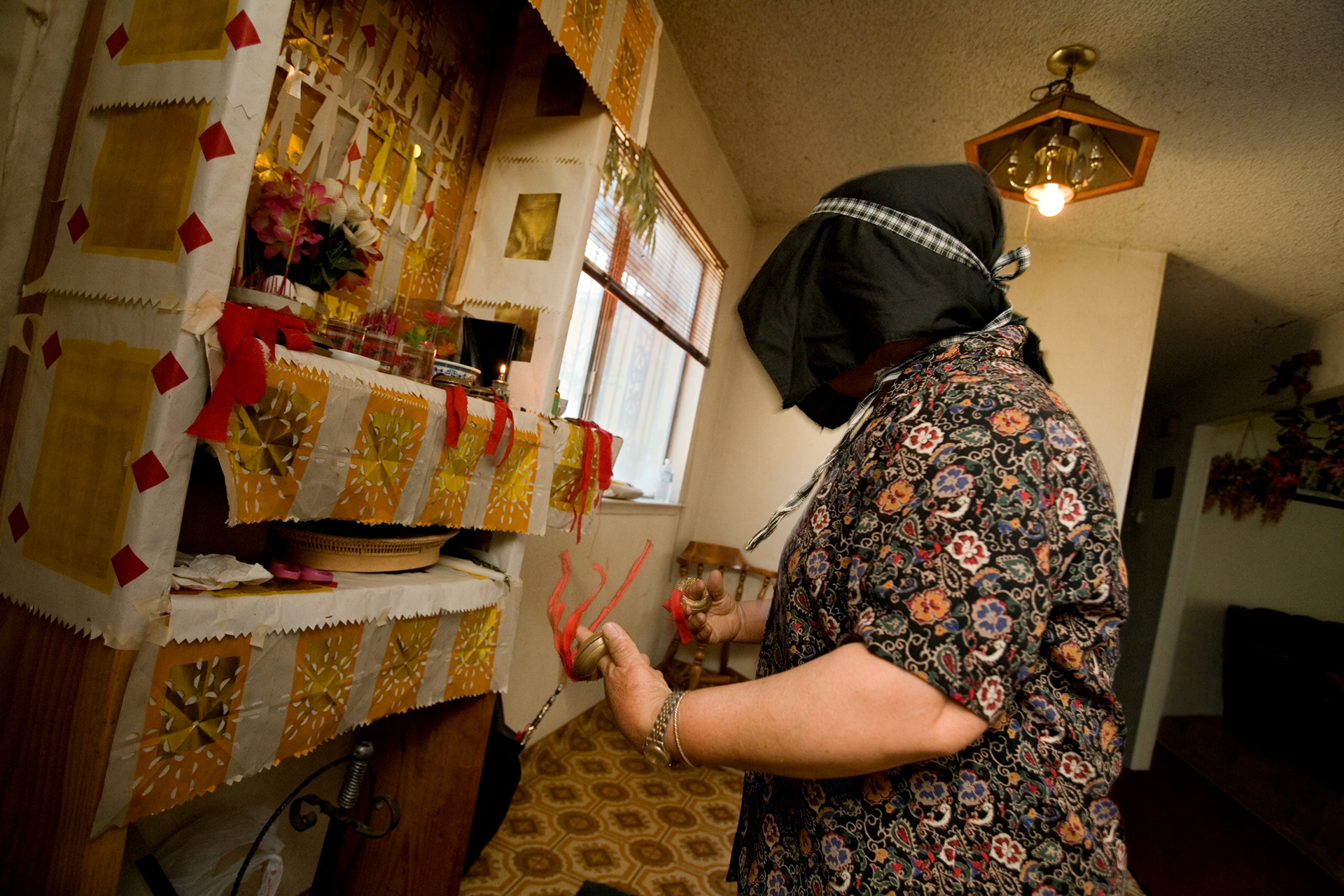
Lee hu plig1-16
As her chanting becomes louder and more intense, Lee begins to jump up and down, following instructions from the guest spirit, who also shows her where the pig’s soul needs to go and where protection is needed, May 19, 2005.
Lee hu plig1-17
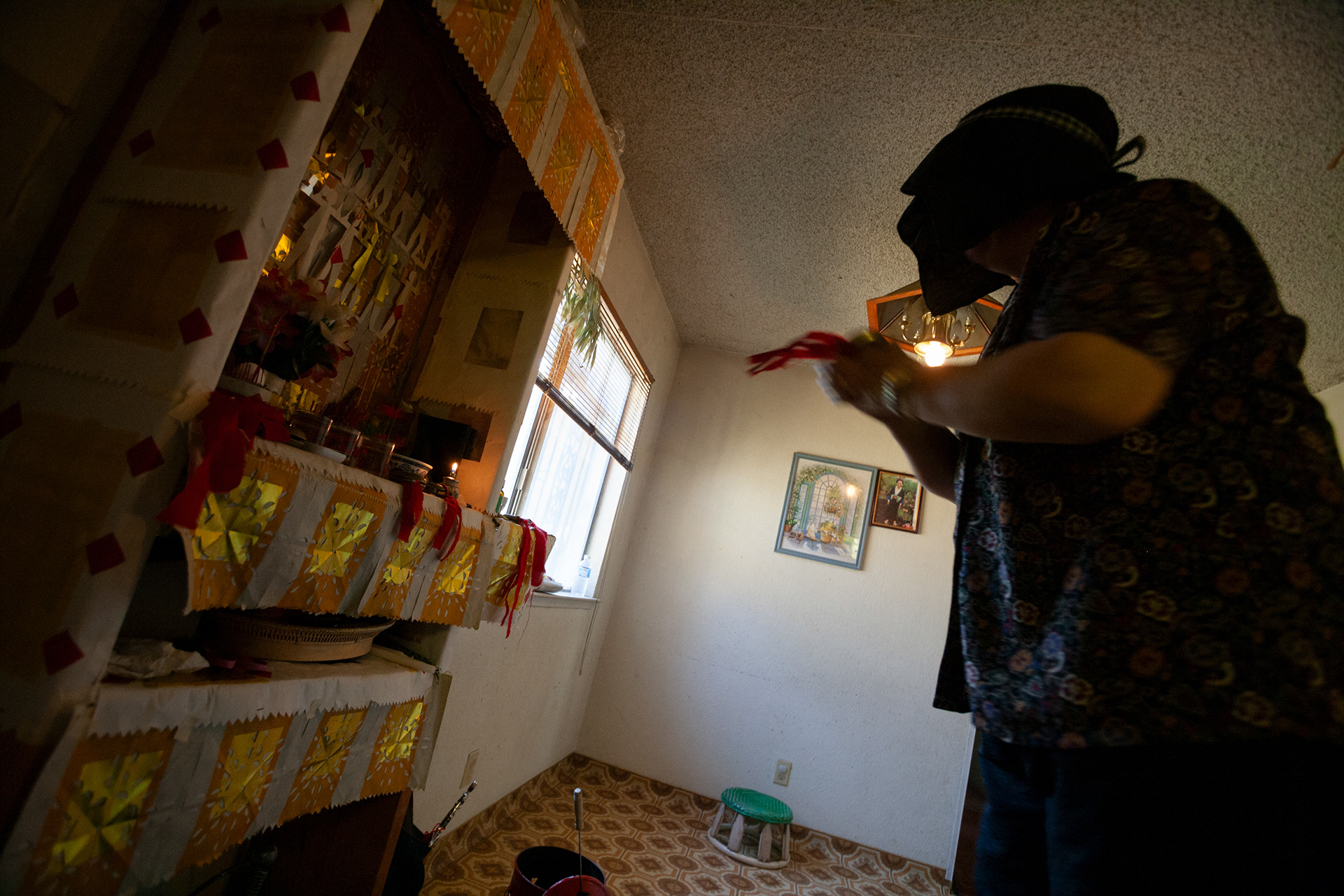
Lee always wears a black hood during her ceremonies. The hood’s purpose is to blind the shaman to this world so that she can better navigate the spirit world. While most Hmong shamans wear a black hood, a few wear red hoods signifying a different type of spiritual practice, May 19, 2005.
Lee hu plig1-18
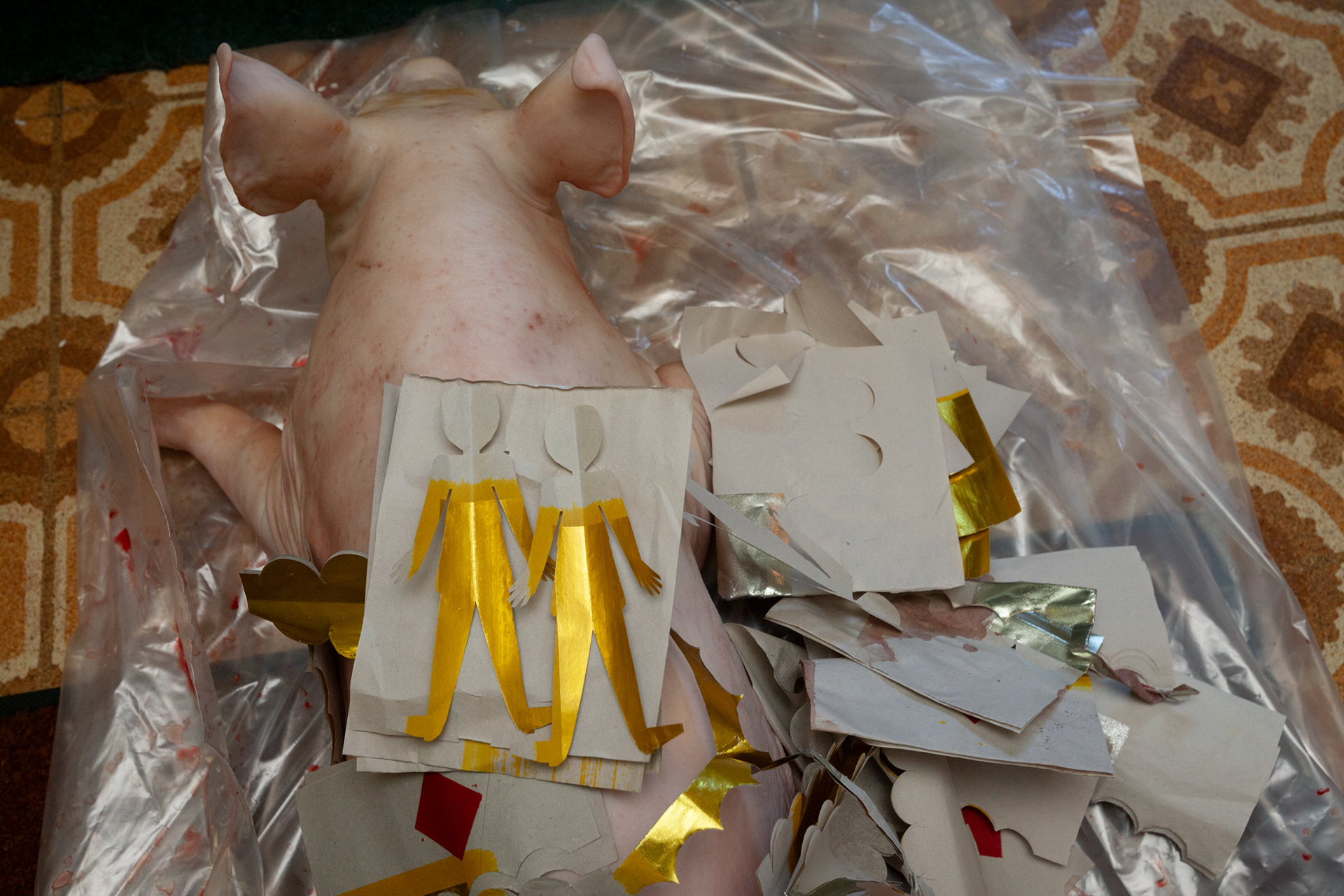
Spirit money, made from a decorative paper manufactured in Thailand, has been cut into the shapes of two human beings representing the two souls that the shaman is trying to recover, May 19, 2005.
Lee hu plig1-19
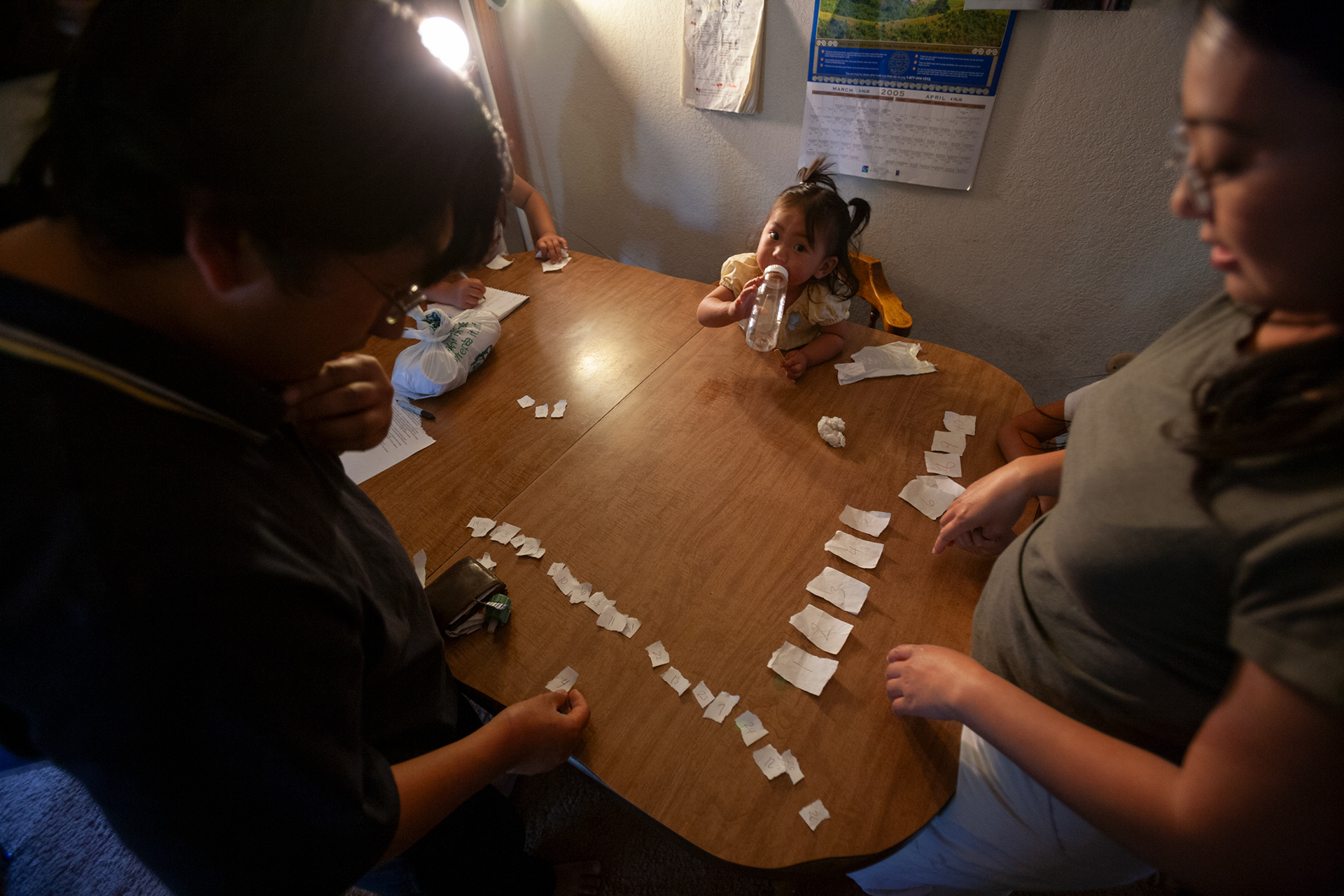
Yer Lee’s son, Xue (David) and his wife, June write numbers on scraps of paper for a family game that is unrelated to the ceremony. Their daughter, Makalya watches.
Scenes like this are very common in Hmong American households when ceremonies are performed; the younger generations have seen it all many times and often pay little attention, focusing instead on social activities with family and friends, May 19, 2005.
Lee hu plig1-20
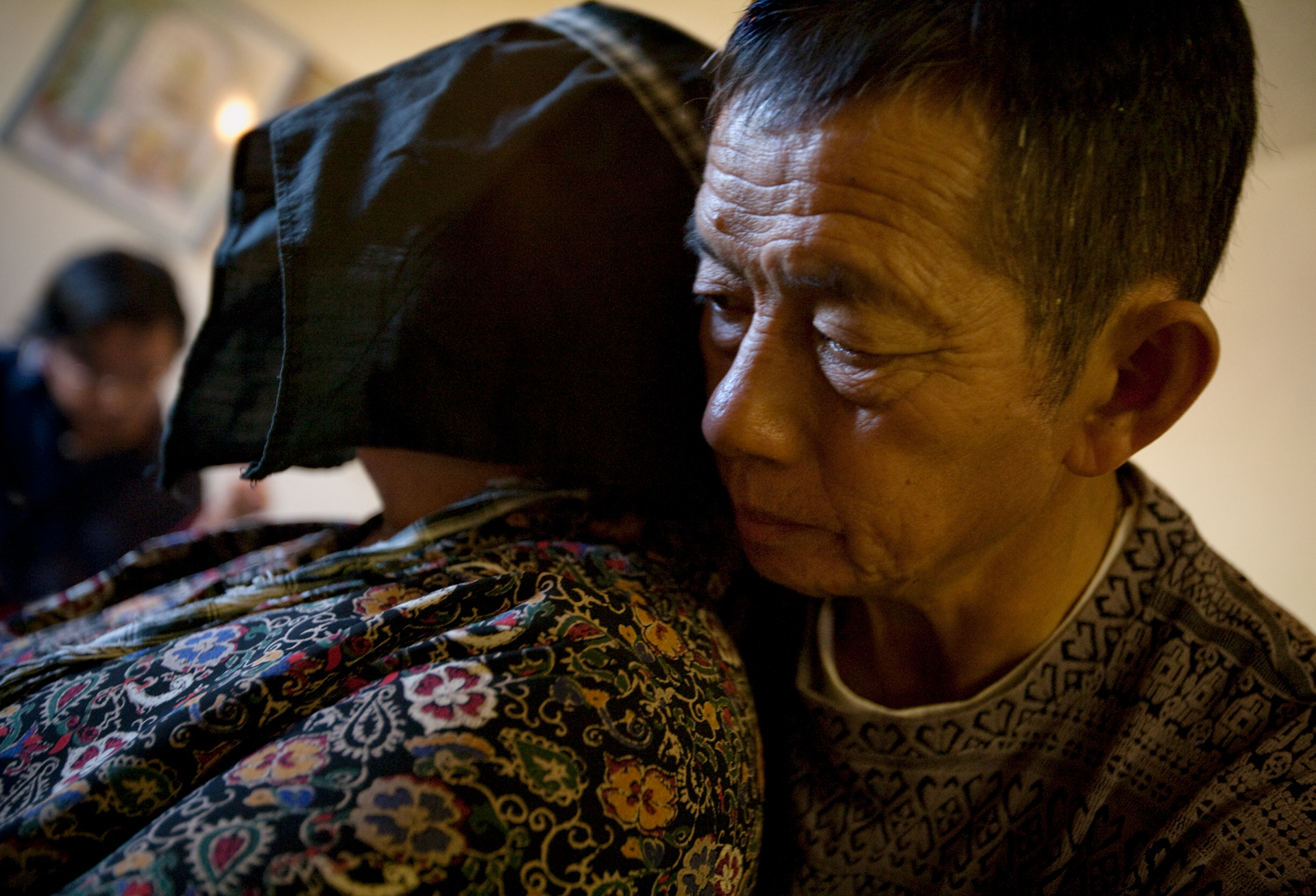
Lee’s husband, Wa Lor Lee, comforts her in the midst of the exhausting Ua Neeb. Throughout the ceremony, he a keeps careful watch to both support her work and keep her safe, May 19, 2005.
Lee hu plig1-20b
Lee says she is often surprised by how much strength the guest spirit gives her. If the gong beats faster, she rides her horse even faster through the spirit world.
The Ua Neeb part of theis ceremony lasted more than two hours and became more and more physically intense as it unfolded, May 19, 2005.
Lee hu plig1-21
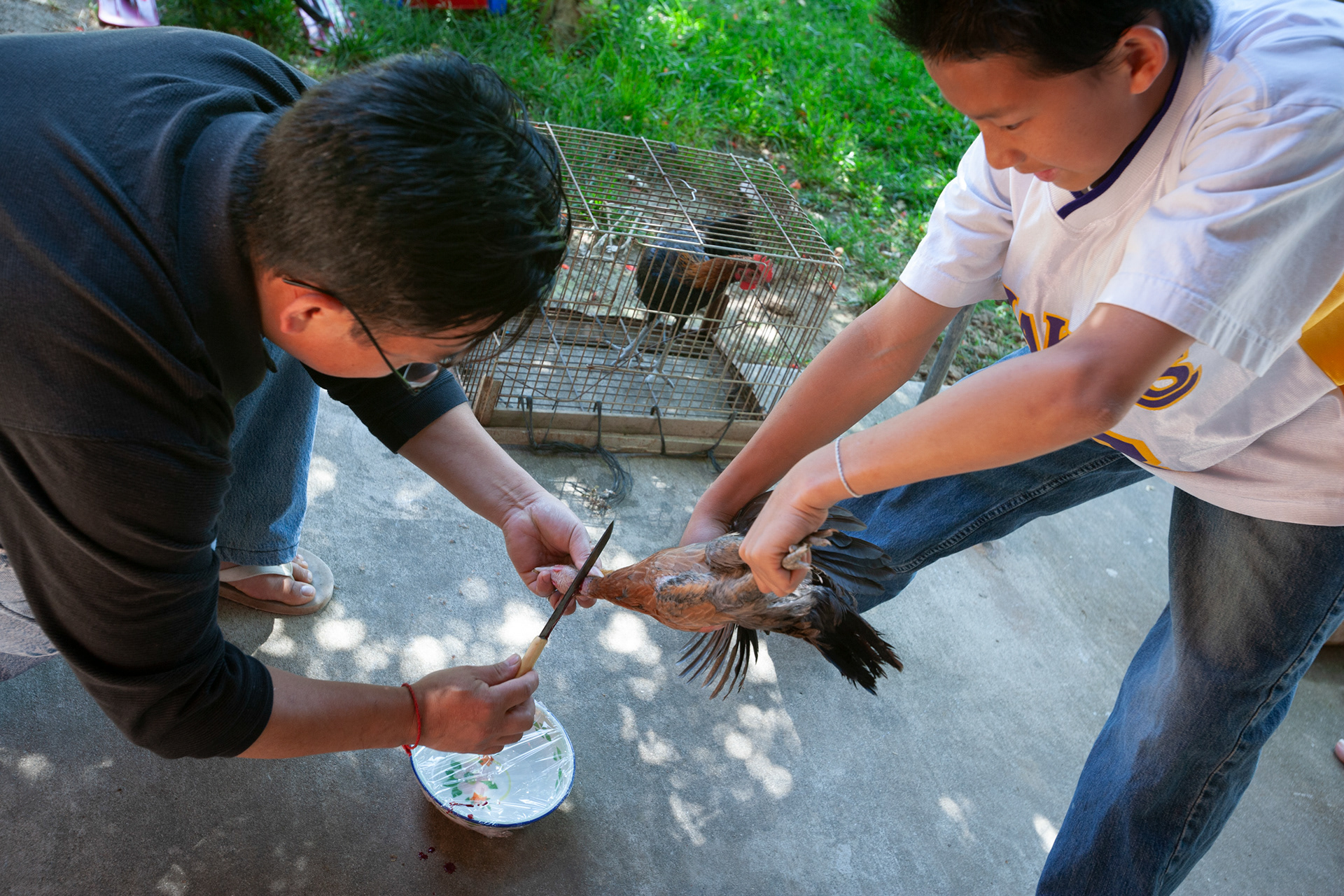
Meanwhile, in the backyard, Lee’s oldest son, Xeng kills the two sacrificial chickens with help from his second cousin, Johnny, May 19, 2005.
Lee hu plig1-22
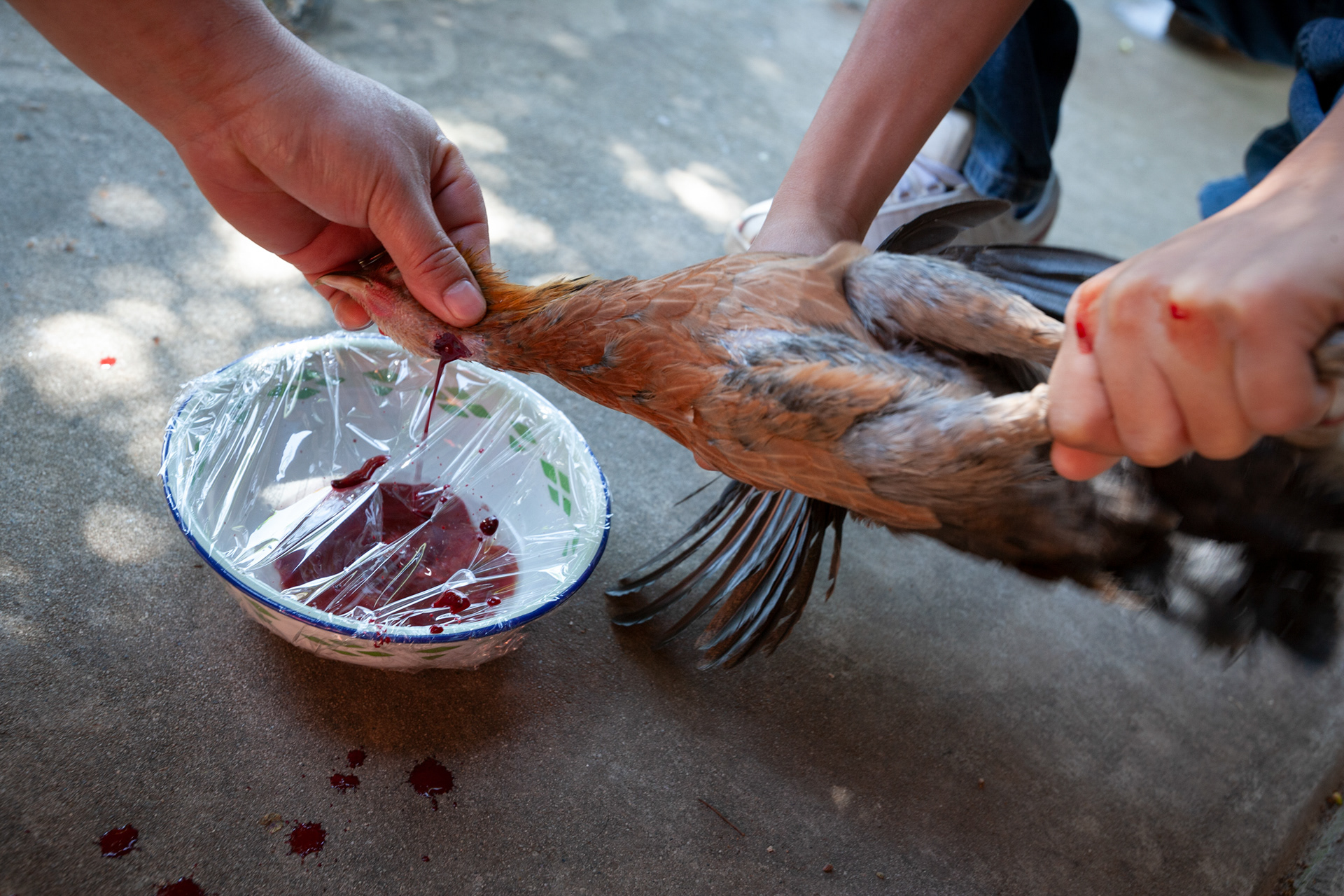
The chicken blood is carefully collected to use as an ingredient in one of the dishes being prepared for the family feast that will take place after the ceremony.
In Laos, Hmong and other ethnic peoples often drink chicken blood together when making a business agreement or a pact, May 19, 2005.
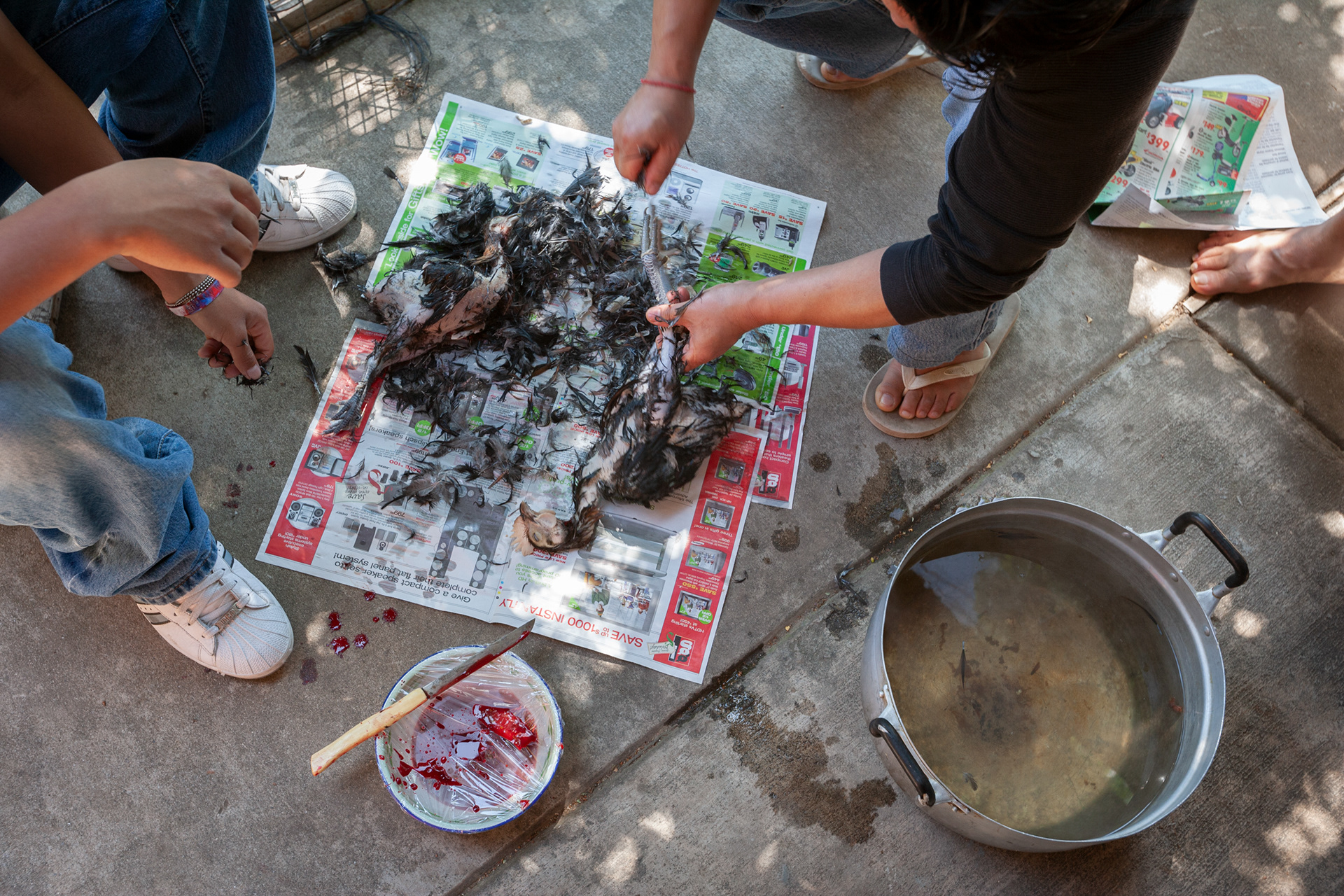
Lee hu plig1-23
The chickens are dipped in boiling water to help remove their feathers before cooking, May 19, 2005.
Lee hu plig1-24
Meanwhile the pig is cut up for cooking in a variety of ways, May 19, 2005.
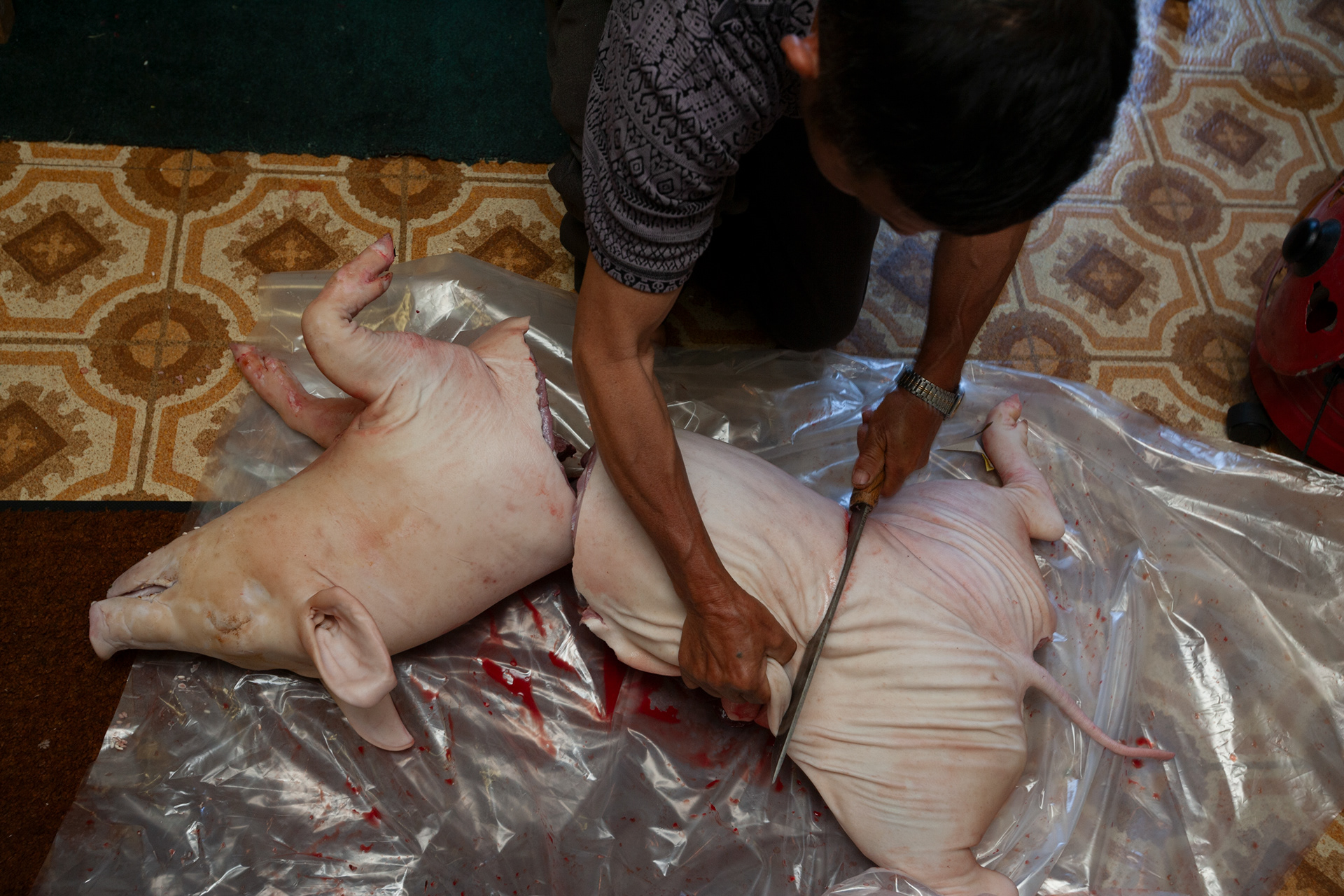
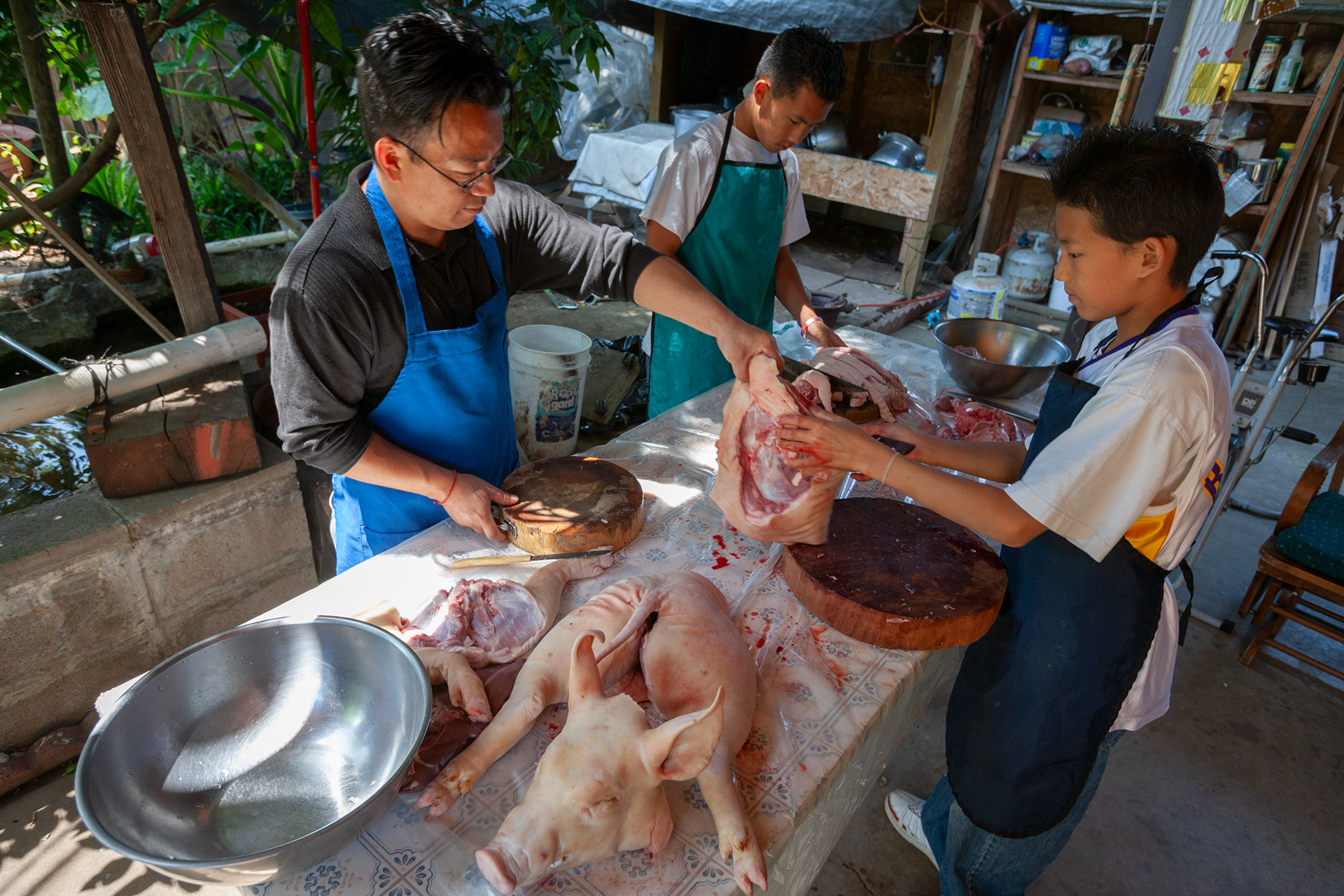
Lee hu plig1-25
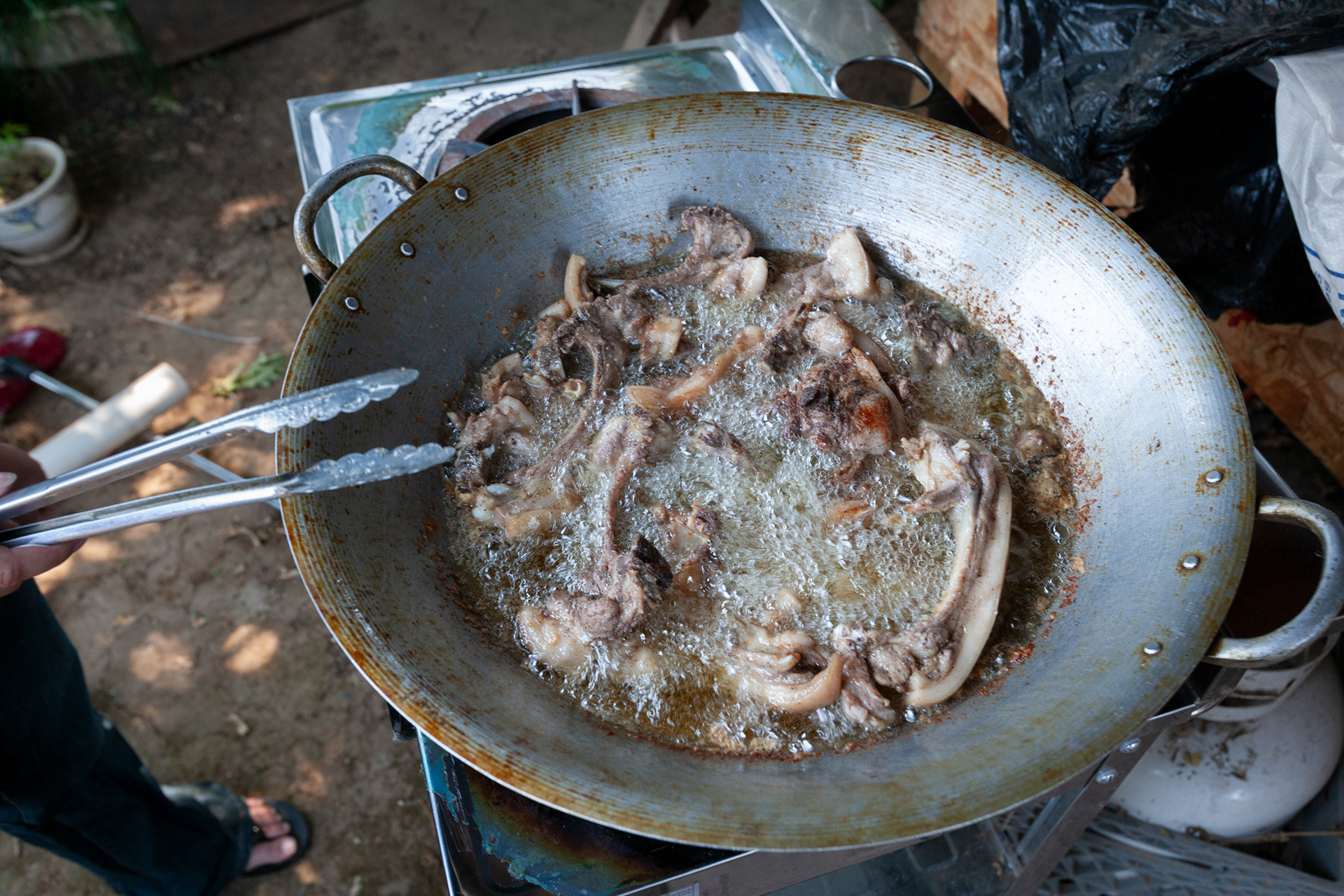
Some parts of the pig will be grilled, other parts deep fried, some made into pork larb salad or soup. Nothing is wasted.
The pig’s lower jawbone will be saved for one year so that the pig can continue to protect the souls of the two women being healed. After one year the jawbone will be burned to release the pig’s soul so that it can reincarnate.
Throughout this collection there photographs of Hmong altars in houses and apartments with pig jawbones hanging on lanyards, May 19, 2005.
Lee hu plig1-26
Lee’s daughter-in-law, June seasons fresh pork for grilling, May 19, 2005.
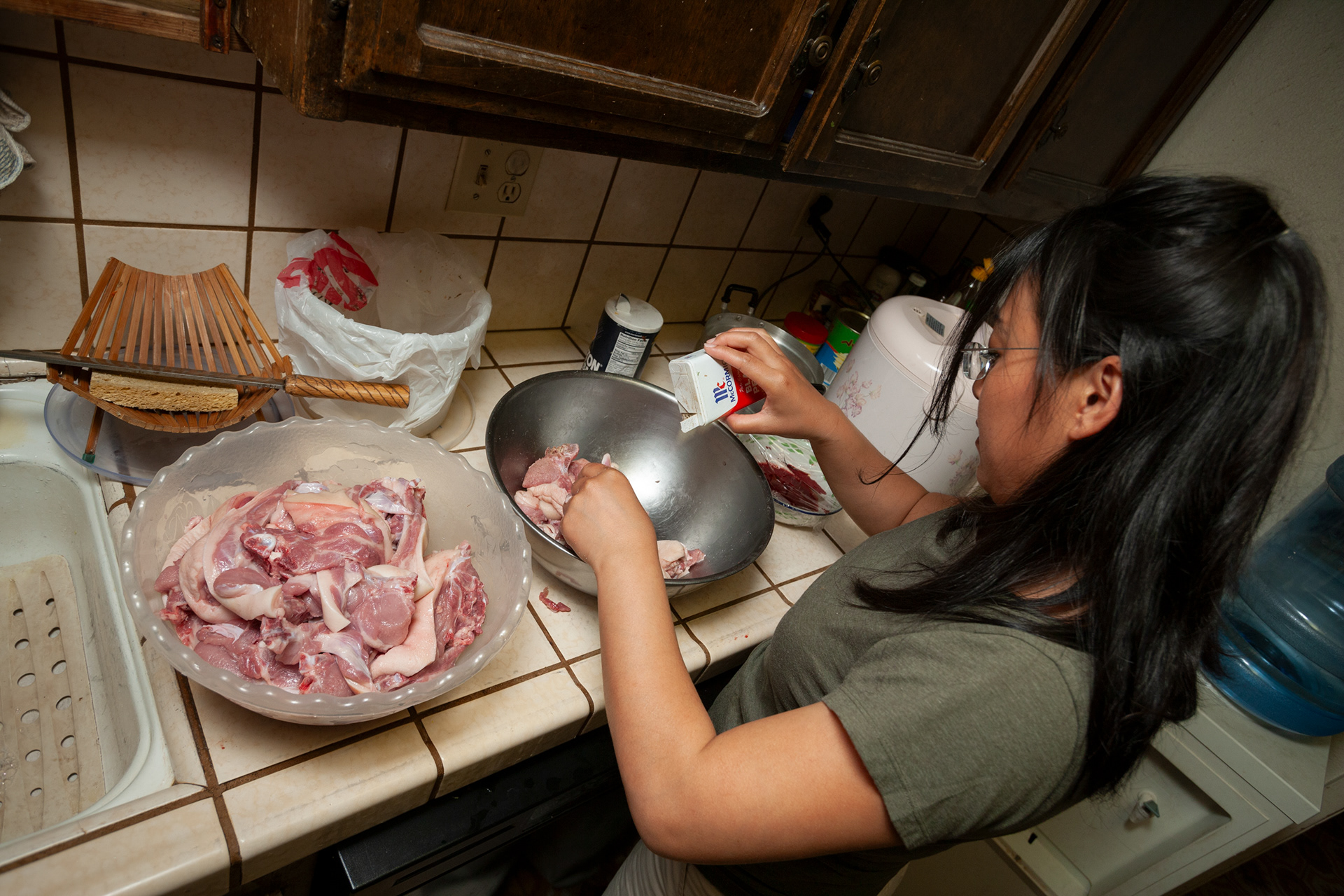
Lee hu plig1-27
Meanwhile, other parts of the pig are deep-fried, May 19, 2005.
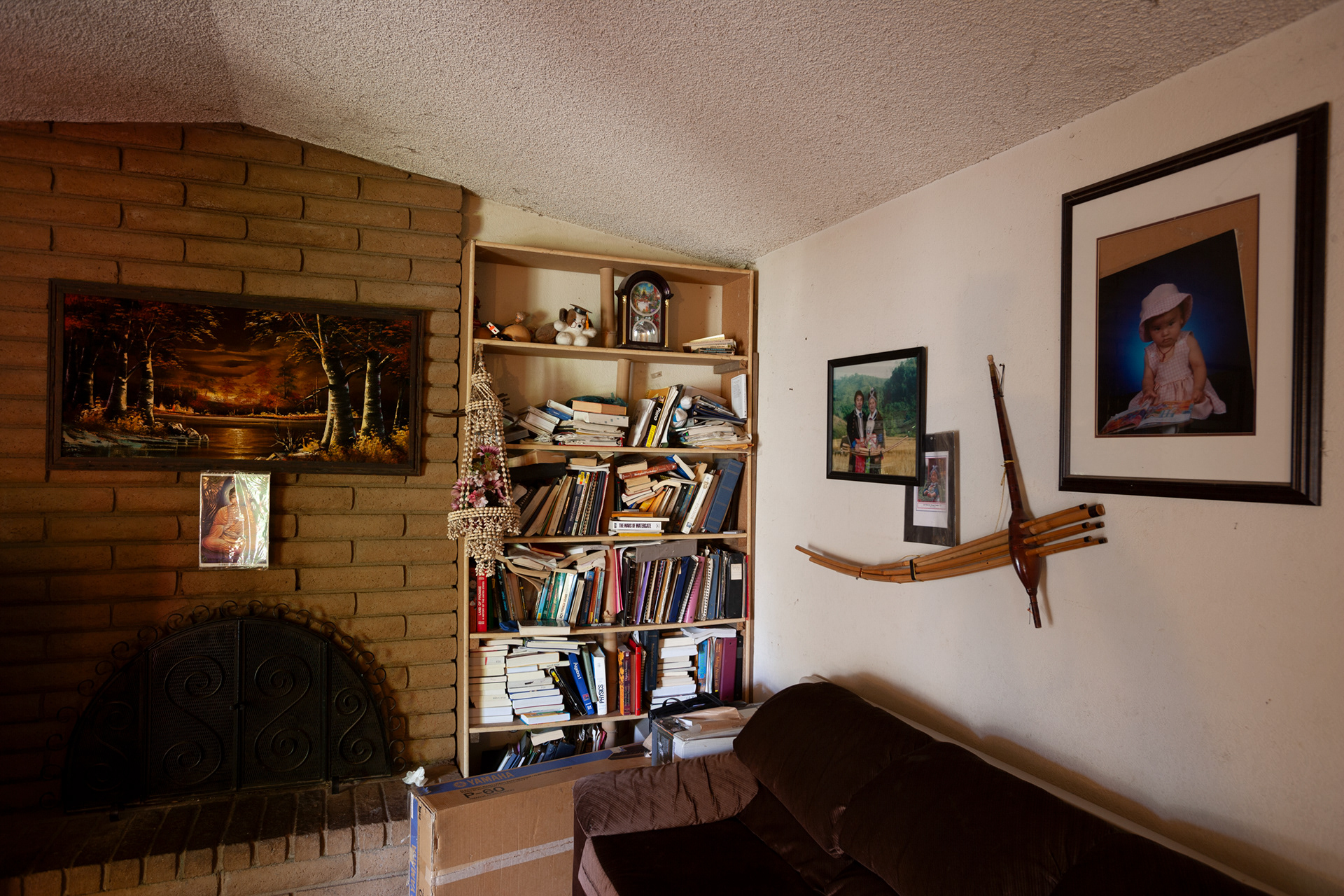
Lee hu plig1-29
The Lee living room in southeast Fresno reflects the fusion of Hmong and American cultures taking place in the refugee diaspora. The bookshelves are overflowing with the Lee children’s former text books and notebooks.
As of 2026, the children's professions include Associate Dean at CSU Fresno, a high school science teacher, a professional studio portrait photographer, a dental hygienist, a corporate sales manager, a wedding planner and a social worker with an MFA in creative writing, May 19, 2005.
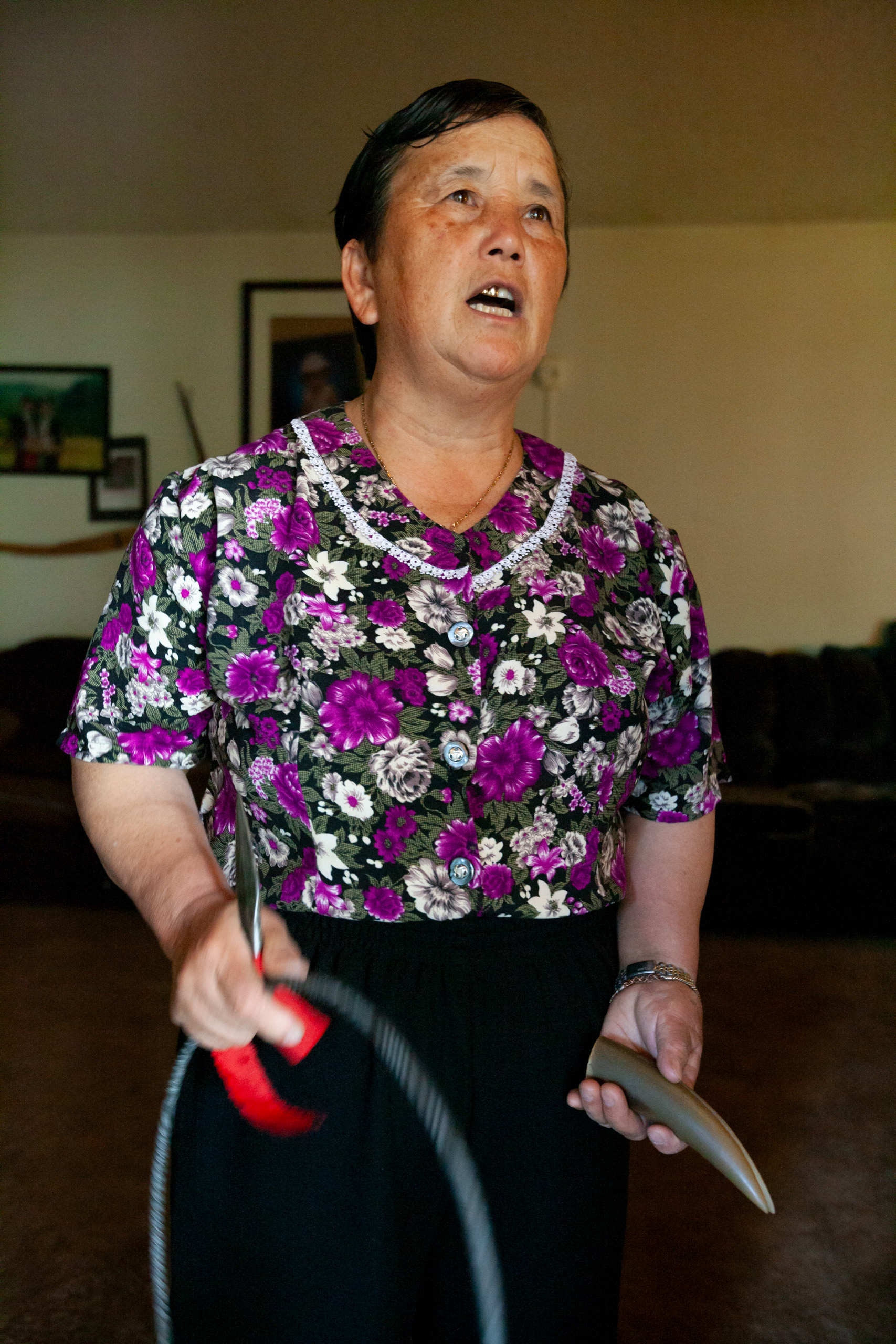
Lee hu plig1-30
With the Ua Neeb finished, an exhausted, sweat-soaked Yer Lee returns to the back door to call the soul one more time, May 19, 2005.
Lee hu plig1-31
Next, Lee carefully checks the sacrificial chickens after they are boiled. She is looking for signs that the ceremony has been successful, May 19, 2005.
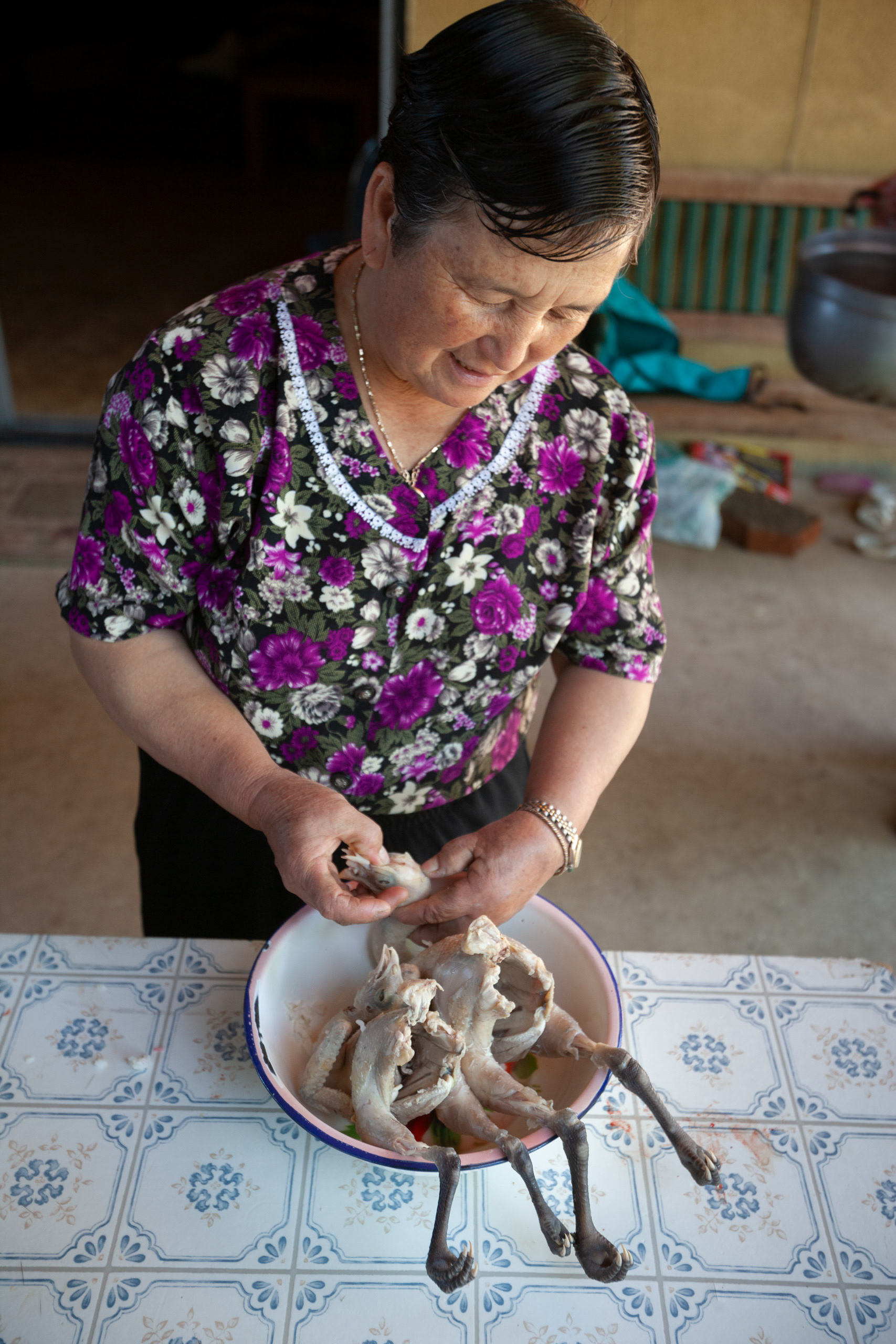
Lee hu plig1-32
Examining a chicken’s forked tongue, she is happy to see that it is nicely curved, an auspicious sign that the women’s lost souls have been returned to their owners, May 19, 2005.
Lee hu plig1-35
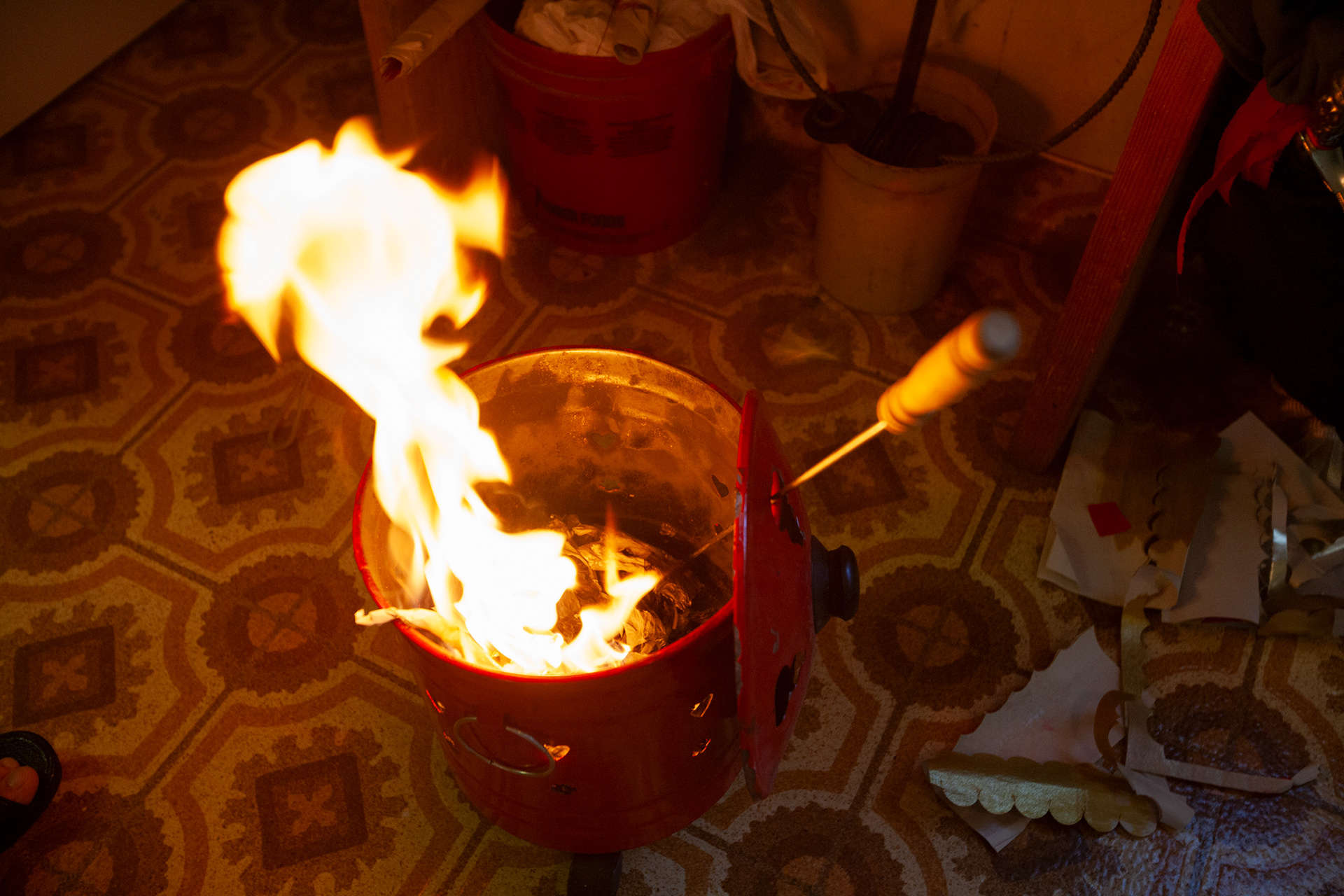
For her final act in this hours long ceremony, Yer Lee burns the spirit money to pay for the protection of the two women’s souls and settle old ancestral debts that may have contributed to their maladies, May 19, 2005.
Lee hu plig1-36
The spirit money incinerates in a flash, leaving delicate ashes, May 19, 2005.
Lee hu plig1-37
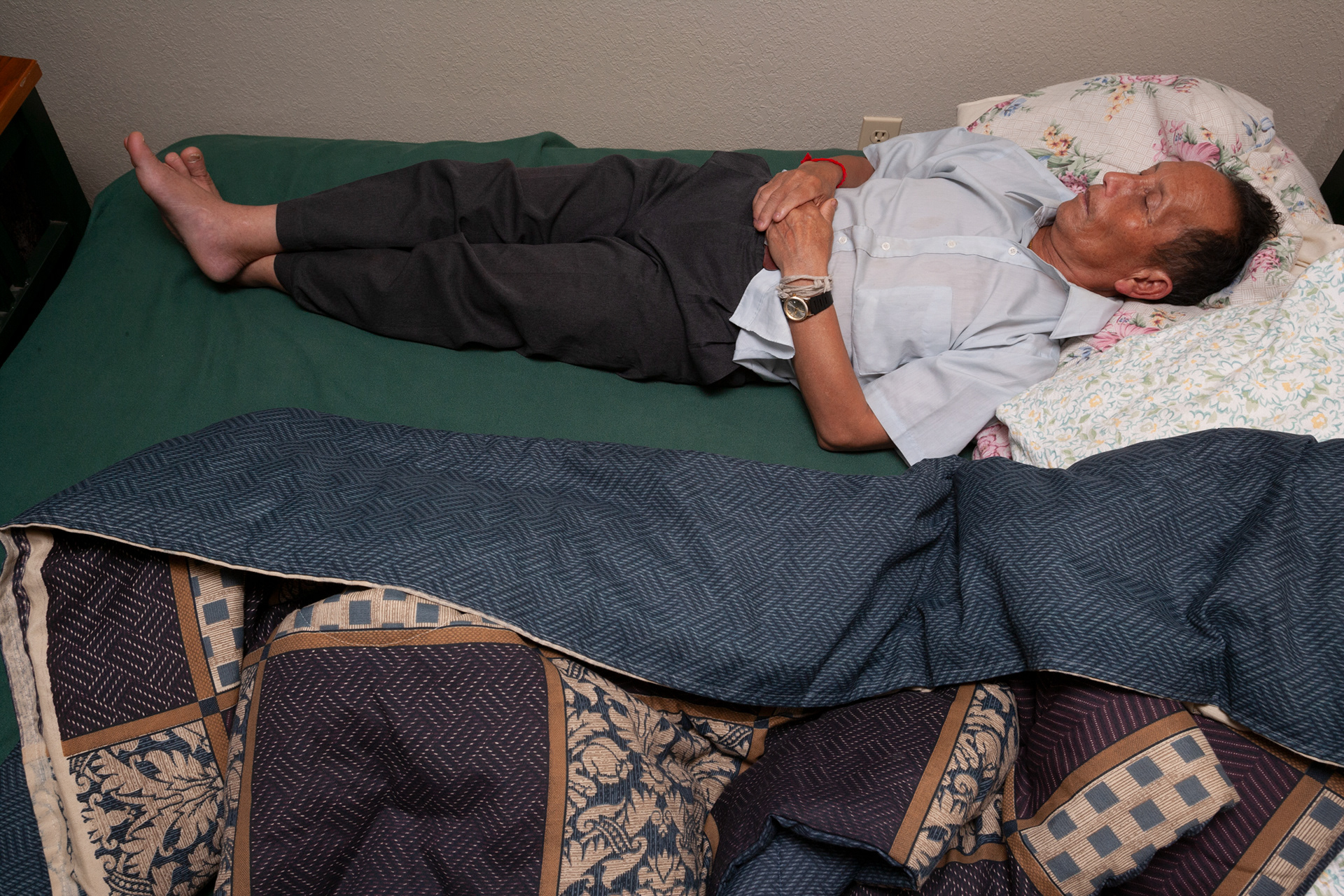
Yer Lee’s brother, Gapao is visiting from Laos for six months. He and his wife sleep on a cot in the living room, May 19, 2005.
Lee hu plig1-38
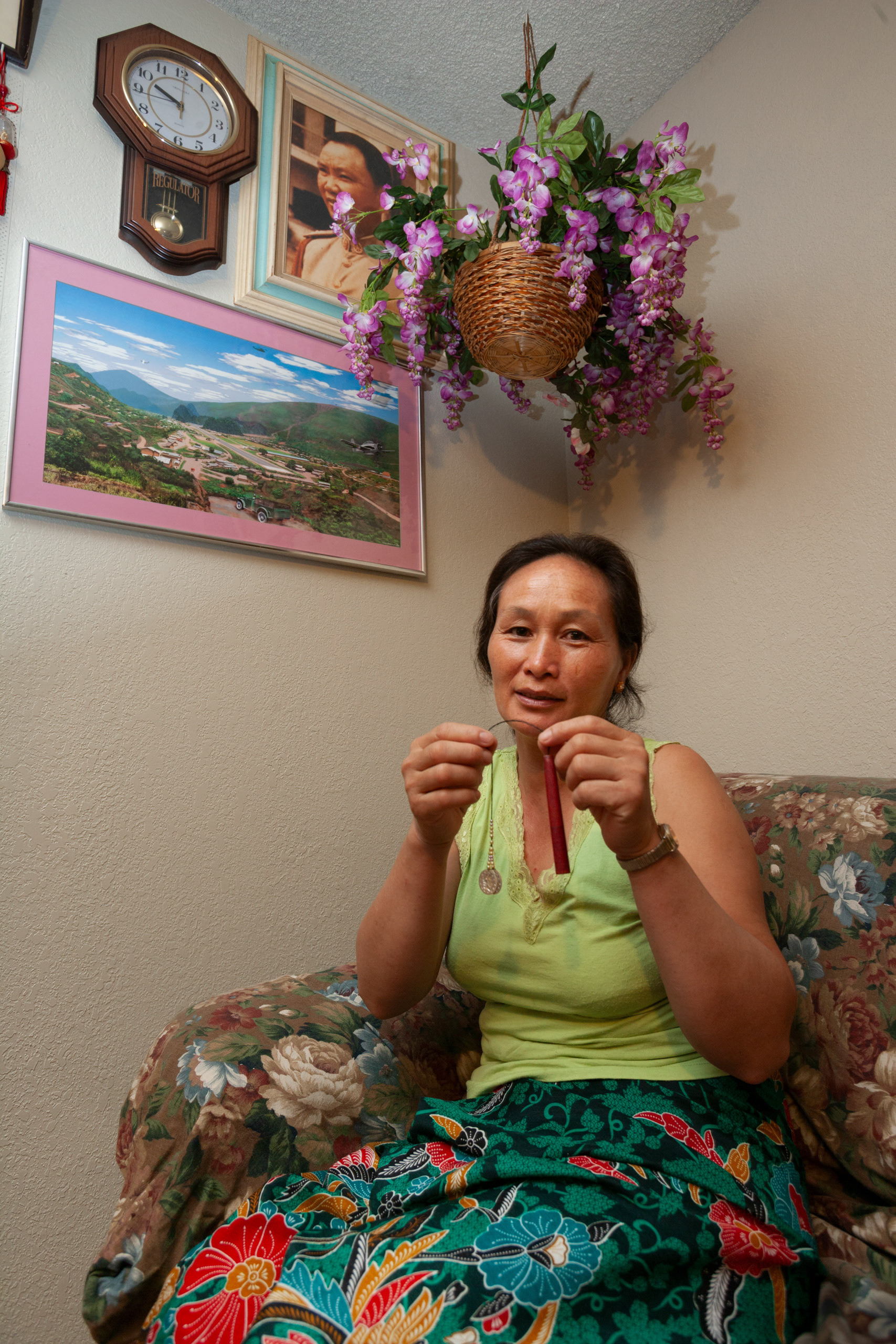
Yer Lee’s sister-in-law, Chee Yang, is married to her brother Gapao. Here she demonstrates a traditional Hmong musical instrument made from thick blades of grass, May 19, 2005.
Lee hu plig1-39
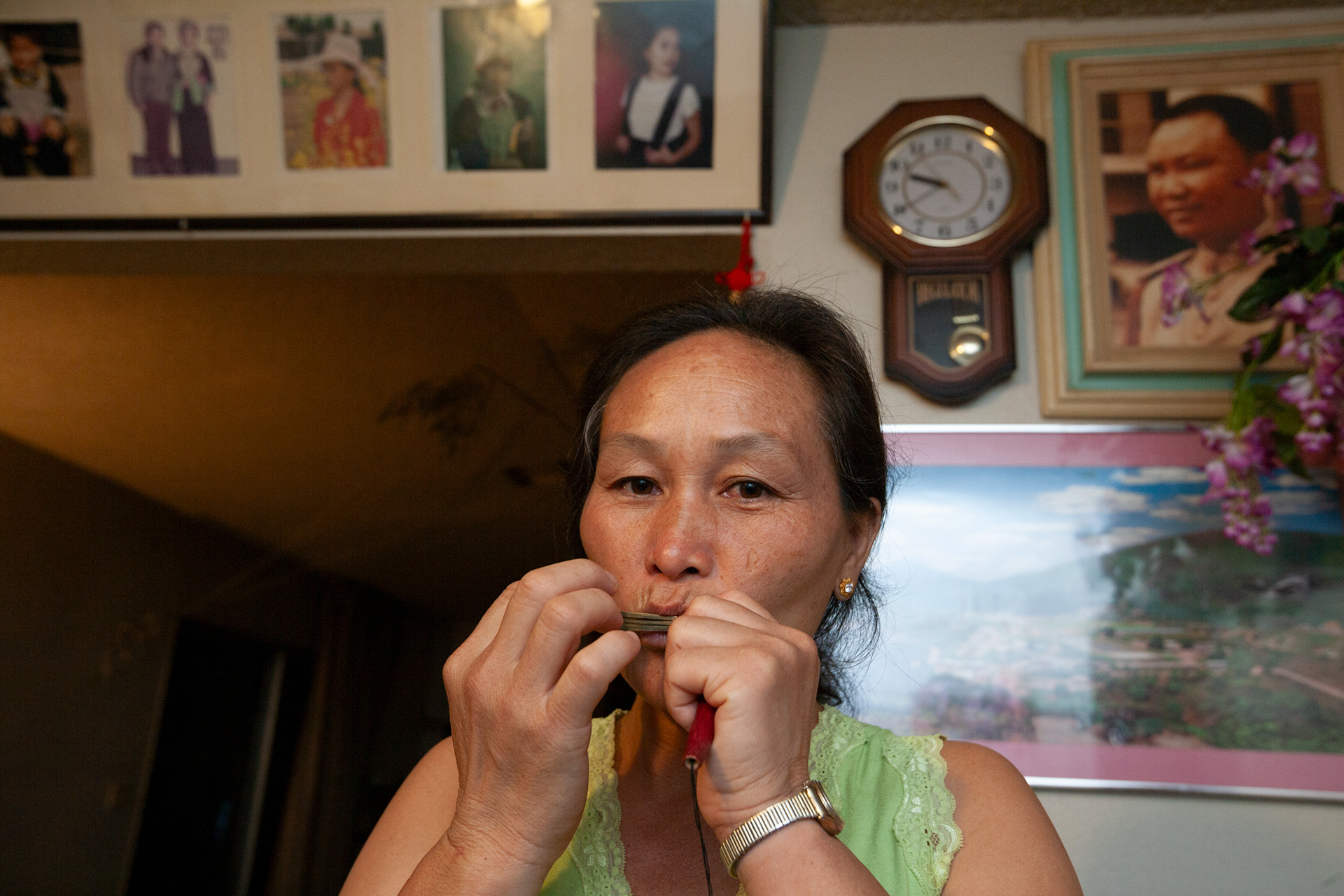
Yer Lee’s sister-in-law, Chee Yang continues her musical demonstration, playing a simple three note melody on a small bundle of grass, May 19, 2005.
Lee hu plig1-40
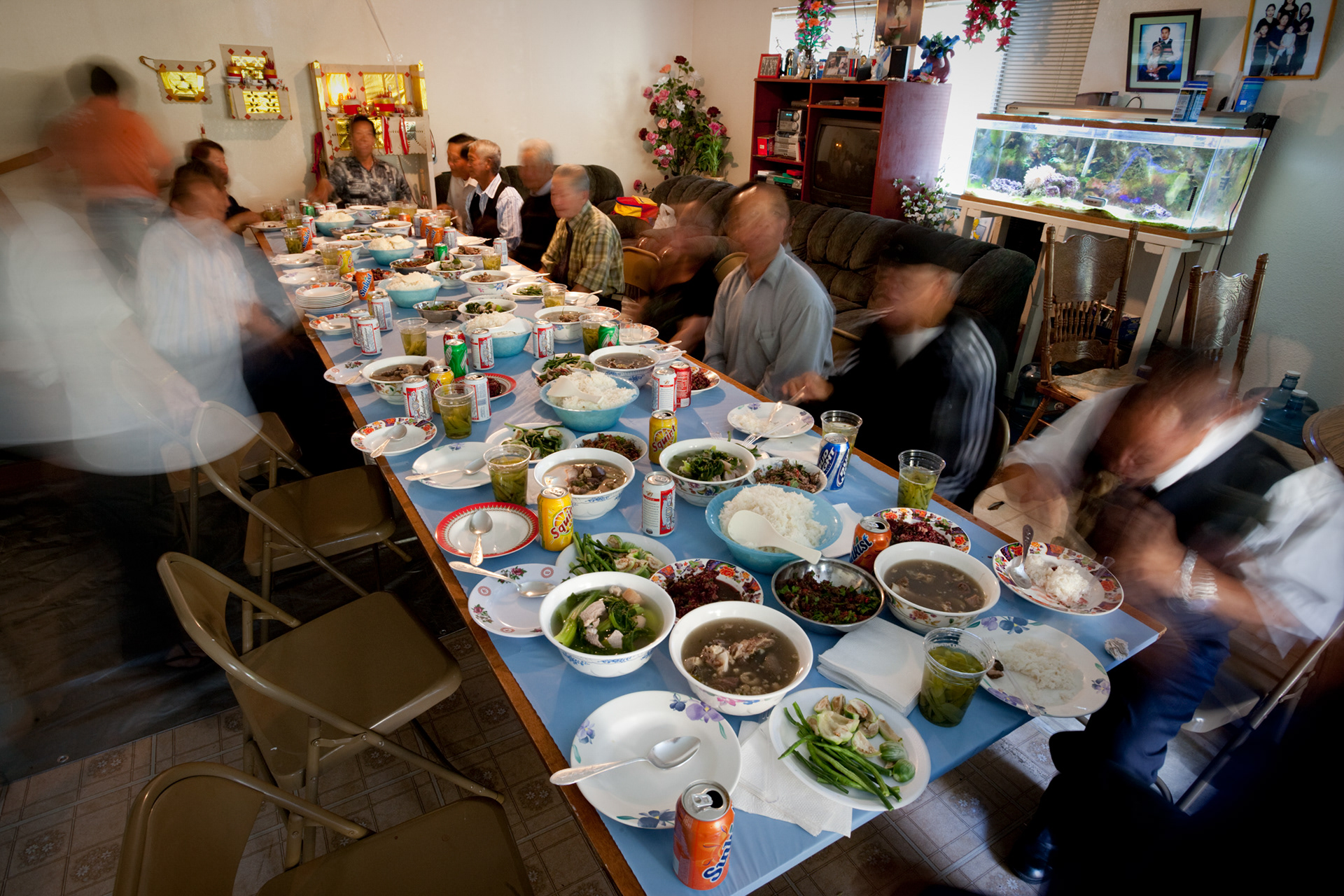
Soul calling ceremonies are always followed by a feast served on folding tables, where extended family and friends gather to celebrate the return of the afflicted persons’ souls. In this case, a weary photographer put down his camera to eat and forgot to take pictures of the meal. So, this image, taken at another event, is substituted here to underscore the fact that animals sacrificed in Hmong ceremonies always feed many people and are never wasted, October 8, 2005.