Photographed
May 14, 2005
August 17, 2005
August 30, 2005
October 19, 2005
October 30, 2005
February 19, 2006
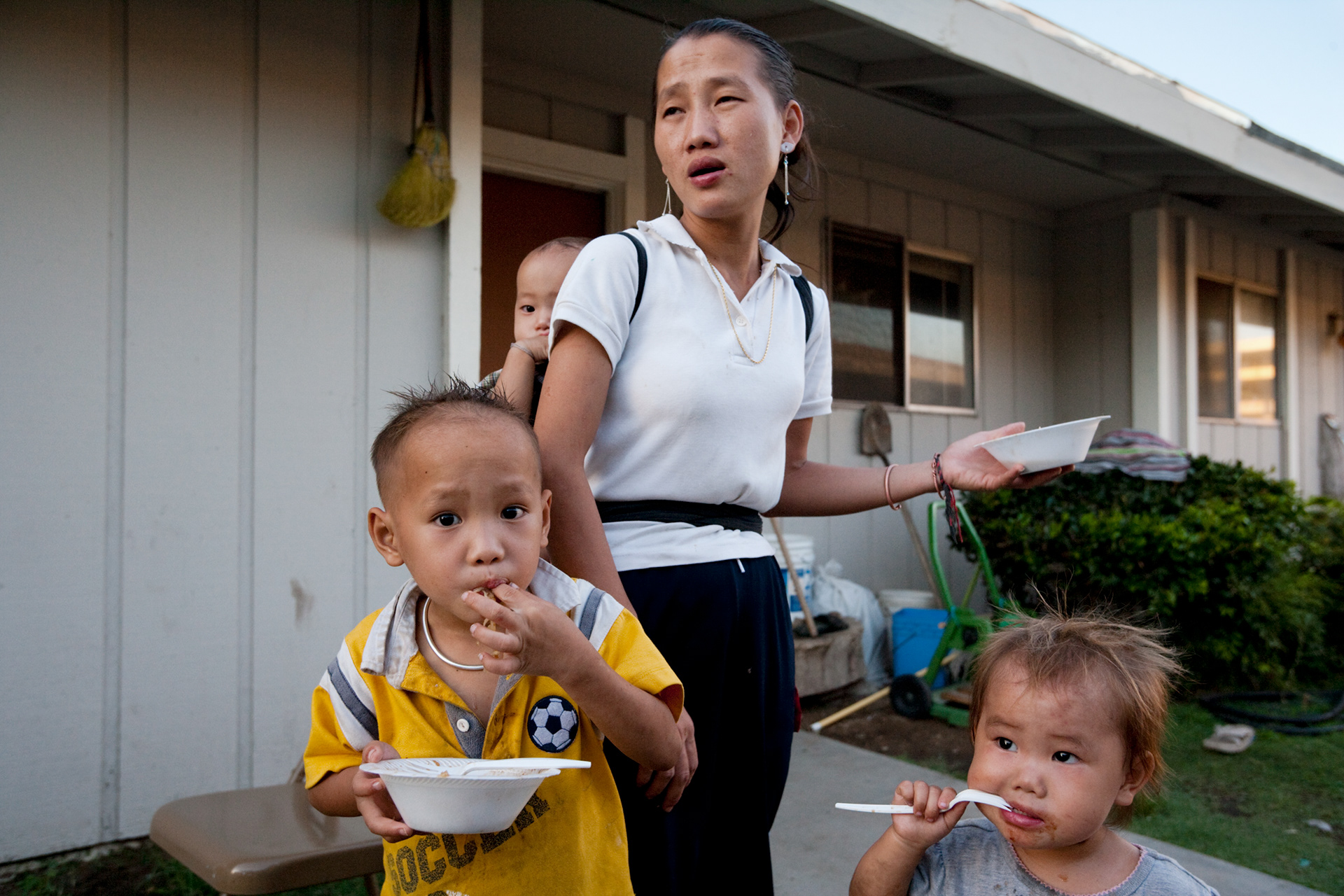
Mai Kou Yang and her children have just arrived at Casa Mia the previous day from Wat Tham Krabok, Thailand, August 17, 2005.
Casa Mia
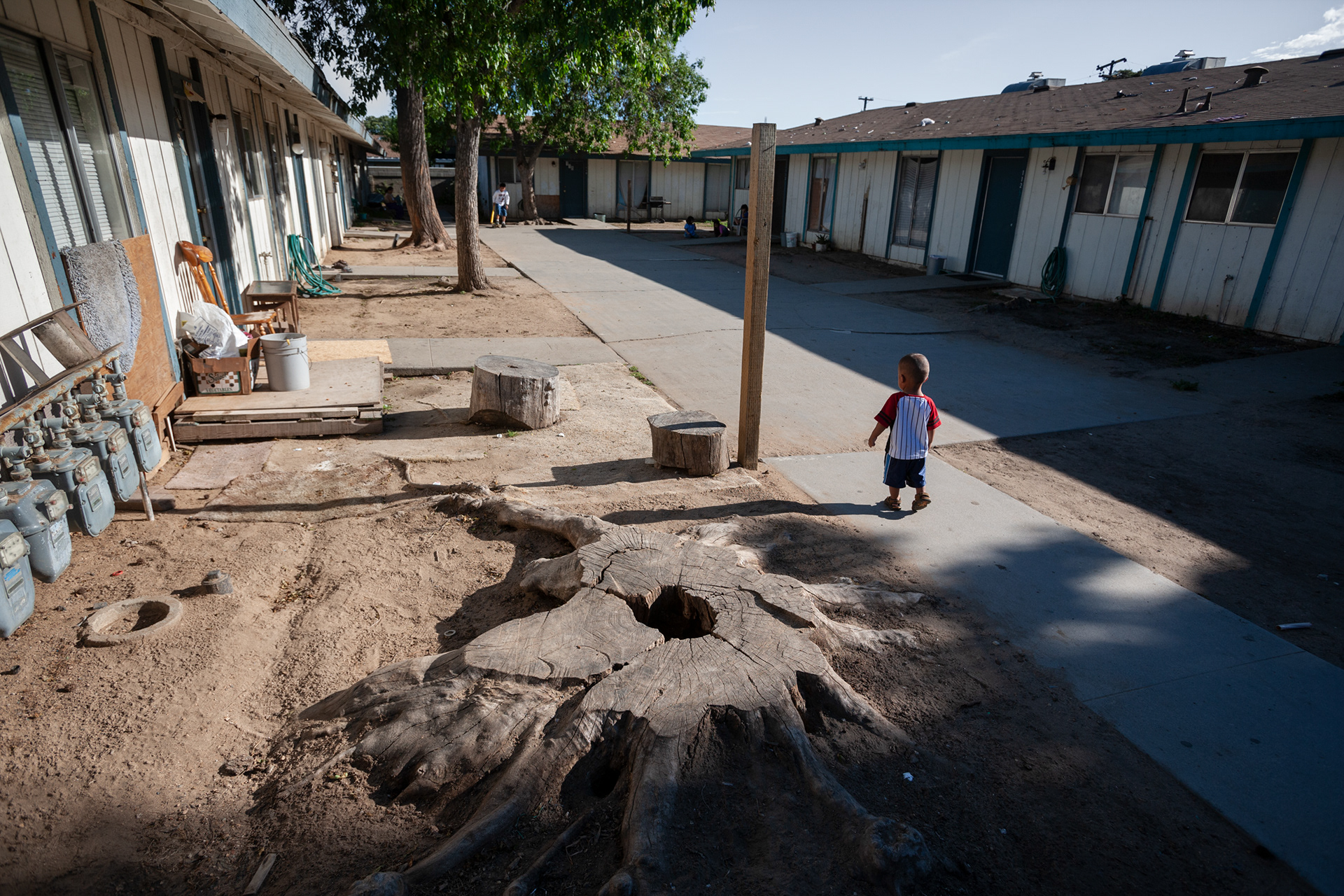
This Central Fresno Apartment Complex was fully occupied by new Hmong refugees during the 1990s and 2000s. ‘Casa Mia’ is a pseudonym used to protect the privacy of current residents at the apartments. It was my favorite among more than a dozen complexes that I visited and photographed from 2005-2007.
The following is an edited excerpt from the book Soul Calling: A Photographic Journey Through the Hmong Diaspora (©2012 Joel Pickford) describing my impressions of Casa Mia on the first visit:
A Village Transplanted
Sooner or later every photographer finds his or her muse in a particular place. For Edward Weston, it was the fog-shrouded cliffs of Point Lobos. For Diane Arbus, it was the social melting pot of Central Park. In the spring of 2005, I would find my photographic muse in a cockroach-infested JD Rentals apartment complex next to a ditch bank in Central Fresno.
My first look at the place is through the bug-smeared windshield of a social service organization’s van. This is a village teeming with life. Hmong families of fifteen and twenty spill out of tired doorways. Vegetable gardens sprout from every available patch of dirt. Kids play soccer on the grimy patio surrounding a kidney-shaped pool now filled in with cement. Old women slit the throats of chickens and pluck their feathers. Laundry dries on the sawed-off stumps of dead trees. Three men squat together in one corner, smoking a mixture of tobacco and opium from a large bong made of black PVC pipe. A young woman with Down syndrome comes up to the van to greet our driver. Now I sorely regret the decision not to bring my camera on this first visit.
These are the new arrivals. In 2003, the Thai government announced that it would close the Hmong refugee camp at Wat Tham Krabok, the last one remaining in the country. The U.S. State Department, UNHCR, and various relief organizations scrambled to prepare for resettling one last big wave of Hmong immigrants to the United States, France, and Australia. A delegation from Fresno that included doctors, dentists, psychologists, social workers, and politicians visited the camp, preparing a report on the condition of the refugees for local service agencies who would soon be receiving them as clients. My work as a photographer began just as the Central Valley resettlement was starting to pick up steam; some of the new refugees had already been here for a few months, while others continued to arrive weekly at the airport. Fresno alone would receive nearly three thousand.
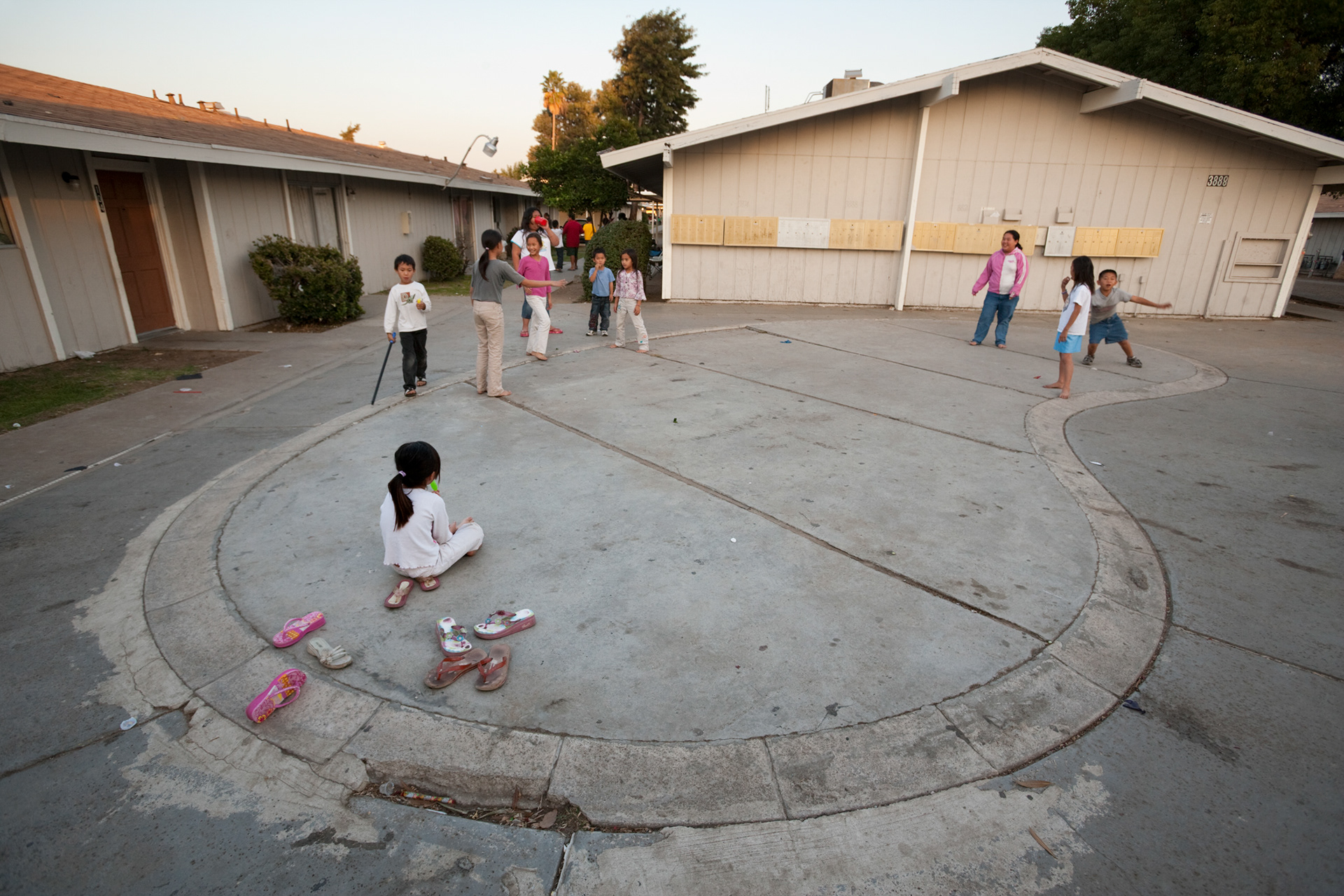
Children play on a concrete-filled swimming pool, the result of a wrongful death lawsuit filed against J.D. Properties in 1997. Photo: October 19, 2005.
Early Housing Focus
In 2004, I was recruited to by a social worker to do a project documenting housing challenges faced by Hmong Refugees. Eventually, I expanded the scope of the project to become Soul Calling. During the early phase focusing on housing, I learned about an amazing story of refugees from an earlier genocide exploiting recent Hmong arrivals for profit.
Here is an edited excerpt from the book Soul Calling: A Photographic Journey Through the Hmong Diaspora (©2012 Joel Pickford) telling that story:
New Arrivals
On a sweltering day in 1919, Kaspar Hovannisian stepped off the train at Tulare. Fleeing Armenia after most of his family was massacred by the Ottoman Turks, he followed thousands of fellow refugees to California’s Central Valley, whose landscape and climate reminded them of the old country. After Kaspar had worked half a year in the vineyards, a marriage was arranged for him with Siroon Nalbandian. “I came home from high school one day and my father told me I was going to be married a few days later,” Siroon later remembered. The couple met for the first time on their wedding day.
Moving into an unpainted wooden house in the middle of a dusty vineyard, the Hovannisians farmed through the Great Depression and raised five sons. Despite pervasive efforts to prevent Armenians from owning land, Kaspar managed to buy right-of-way houses for a dime on the dollar and move them off the highway to unincorporated settlements like Pixley and Tipton. He rented to black sharecroppers and Mexican braceros who, fleeing poverty and oppression in their own homelands, poured into Tulare County looking for work in its orchards, vineyards, and sea of cotton. As the Hovannisian sons came of age, they expanded the family real estate holdings throughout Tulare and Kings counties.
In the 1960s, Kaspar Hovannisian’s oldest son, John, began buying up houses and apartment complexes in Fresno. By the time of his father’s death, in 1971, John and his brothers had amassed a veritable empire of deteriorating low-income rental property. With his son David as his partner, John established JD Home Rentals, Inc., to manage all of the family’s assets. In 1980, just as young David was taking the helm from his father, the U.S. State Department gave him an unexpected gift: thanks to its large inventory of low-income housing, Fresno was chosen as a major destination for the first big resettlement of Hmong refugees. Fueled by successive waves of Hmong and other Southeast Asian immigrants, David Hovannisian expanded his family’s slum empire by double digits. By 2001, the family owned an estimated six to eight thousand units, all free and clear.
At the same time, complaints and lawsuits about living conditions at JD properties mounted. Hmong tenants described backed-up sewage; leaking roofs; broken windows and appliances; cockroach, rat, mice, and flea infestations; and a lack of heat, water, and air conditioning. I visited one apartment where the roof had completely caved in, leaving a gaping hole in the ceiling. Such complaints went ignored by the Hovannisians for months, even years. Their managers were only authorized to fill vacancies and collect rent, not to make repairs. “Without exception, no one spends John or David Hovannisian’s money except John and David Hovannisian,” said JD property manager Jerry Saylor in a 1990 court deposition.
In 1988, seven-year-old Melia Vang died four days after falling into a slime-filled JD apartment pool. The algae was so thick that she completely disappeared from view. A teenage boy dived in after her, groping around in the murky water to locate the unconscious girl. The pool had already been cited several times by the Health Department and received three more citations after Melia’s death. The Hovannisian’s insurance company settled for $150,000 without admitting guilt.
“We cater to Asian tenants because we have very few problems with rent collection or property destruction,” JD manager Saylor continued in his deposition. The Hovannisians developed a foolproof method to boost their occupancy rates: they recruited Hmong managers by offering them half-off rent. The resident managers soon filled the vacancies with their own relatives. One former manager, Xeng Lee, alleged that JD preferred Hmong tenants because many “could not speak English and did not know their rights.” A 1997 lawsuit against the company contended that JD used “strong-arm tactics to intimidate and harass tenants, to defraud them into paying rent that is not due or to scare tenants into leaving without due process of law.” In 2004 the City of Fresno’s Code Enforcement Division spent over a quarter million dollars of its operating budget responding to complaints about JD properties.
David Hovannisian has a collection of classic European cars that he keeps in a secret warehouse in an old industrial part of Fresno that has seen better days. Their chrome insignias bear the names of some of the world’s most storied automakers: Mercedes, Ferrari, Jaguar, Alpha Romeo, Rolls Royce. A Hmong man called Tai, born in Laos during the last years of the Secret War, works full-time for Hovannisian; his sole responsibility is the care and maintenance of his boss’s prized automobiles, plus a potpourri of antique pinball machines, die-cast model cars, miniature gas engines, and other ephemera from Hovannisian’s childhood in the 1950s and 60s. All of these objects are kept in immaculate condition, bubble wrapped, and meticulously organized in the heavily secured warehouse, now packed from floor to ceiling with the accumulated miscellany. Tai is a mechanical and electrical genius who can fix anything that is broken, fabricate any missing part, and restore any kind of machine to its original glory. But his primary mission is looking after Hovannisian’s cars. Day after day, he lovingly waxes and buffs them, polishes their gleaming chrome, and rubs mink oil into their leather upholstery. He cleans smudges off white sidewall tires and wipes fingerprints from mirrors. Next, he starts them up, checks their oil, fluids, and tire pressure, tunes them, and makes any necessary repairs. Occasionally he exercises the vehicles with a short drive around the block, carefully wiping the dust off of the tires afterward. It takes him about a month to get through the entire collection. When he finishes the last car, he checks his supplies and makes a list of any that need replenishing. Then he begins all over again.
Casa Mia-01
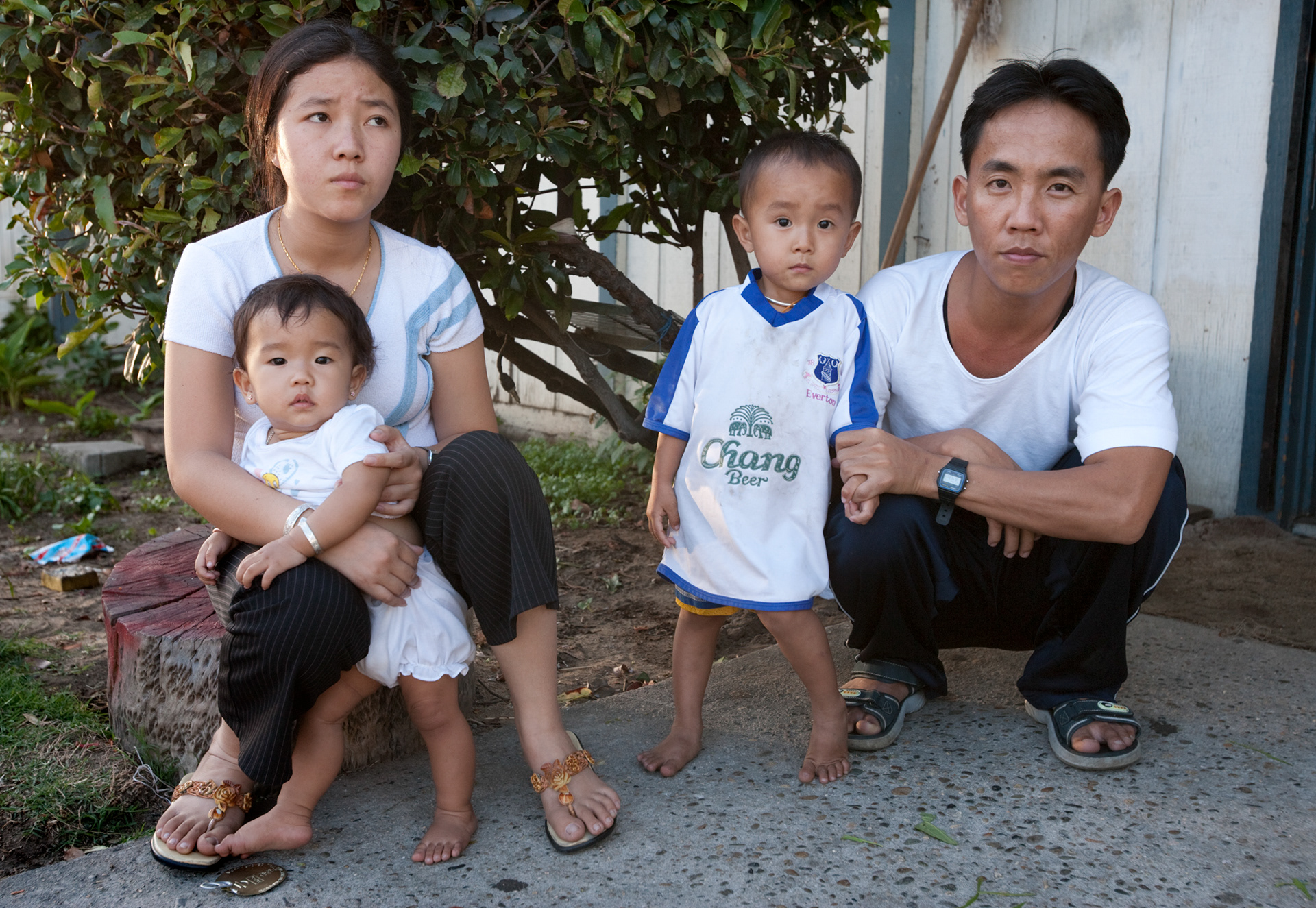
A family of Hmong new arrivals from Wat Tham Krabok, Thailand on their new front porch at Casa Mia, May 14, 2005.
Casa Mia-03
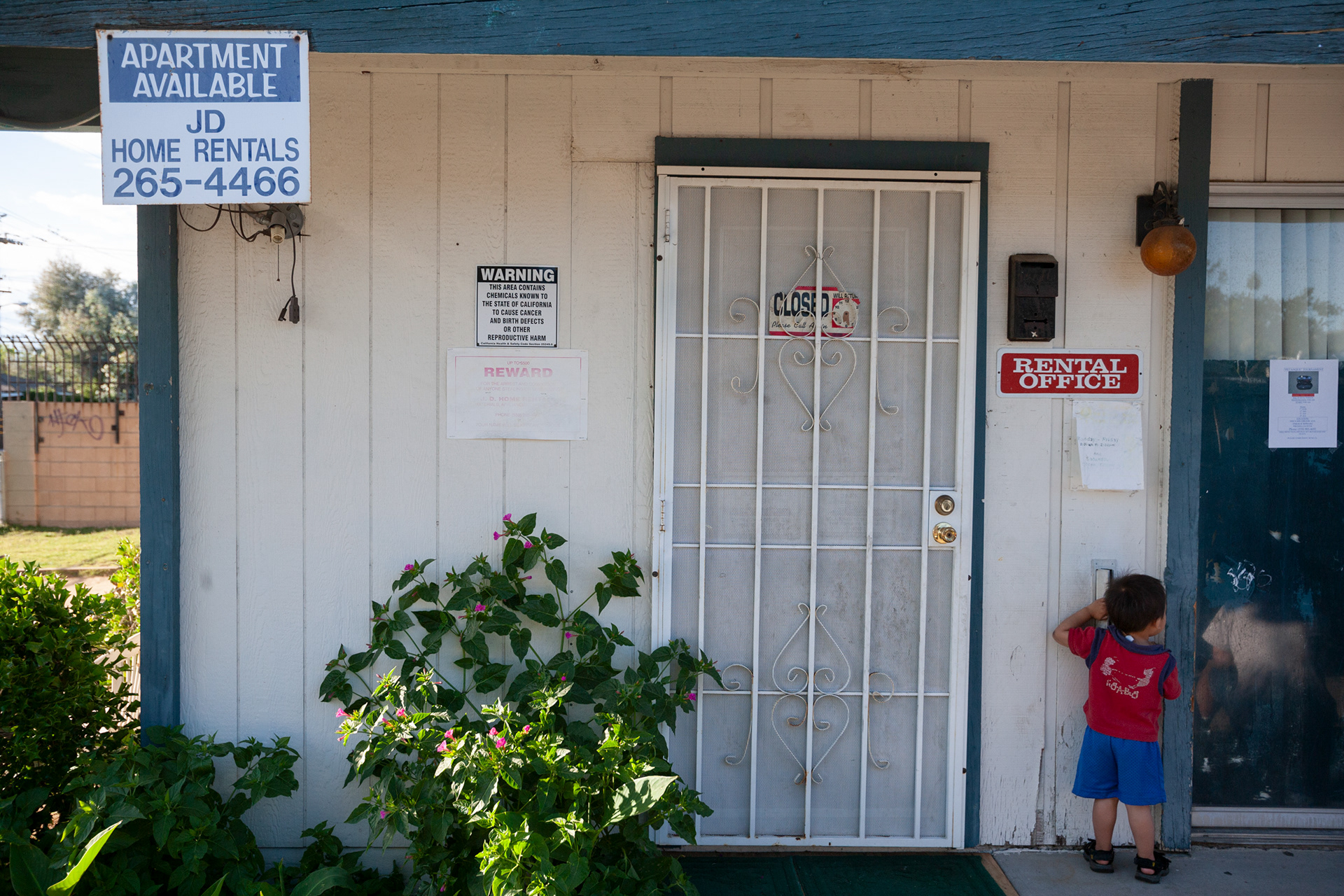
The Hmong manager’s unit at Casa Mia. J.D. Rentals recruited Hmong managers so that they would fill up the apartments with their relatives, May 14, 2005.
Casa Mia-05
Bee Lee explores the strange new world of Casa Mia, May 14, 2005.
Casa Mia-06
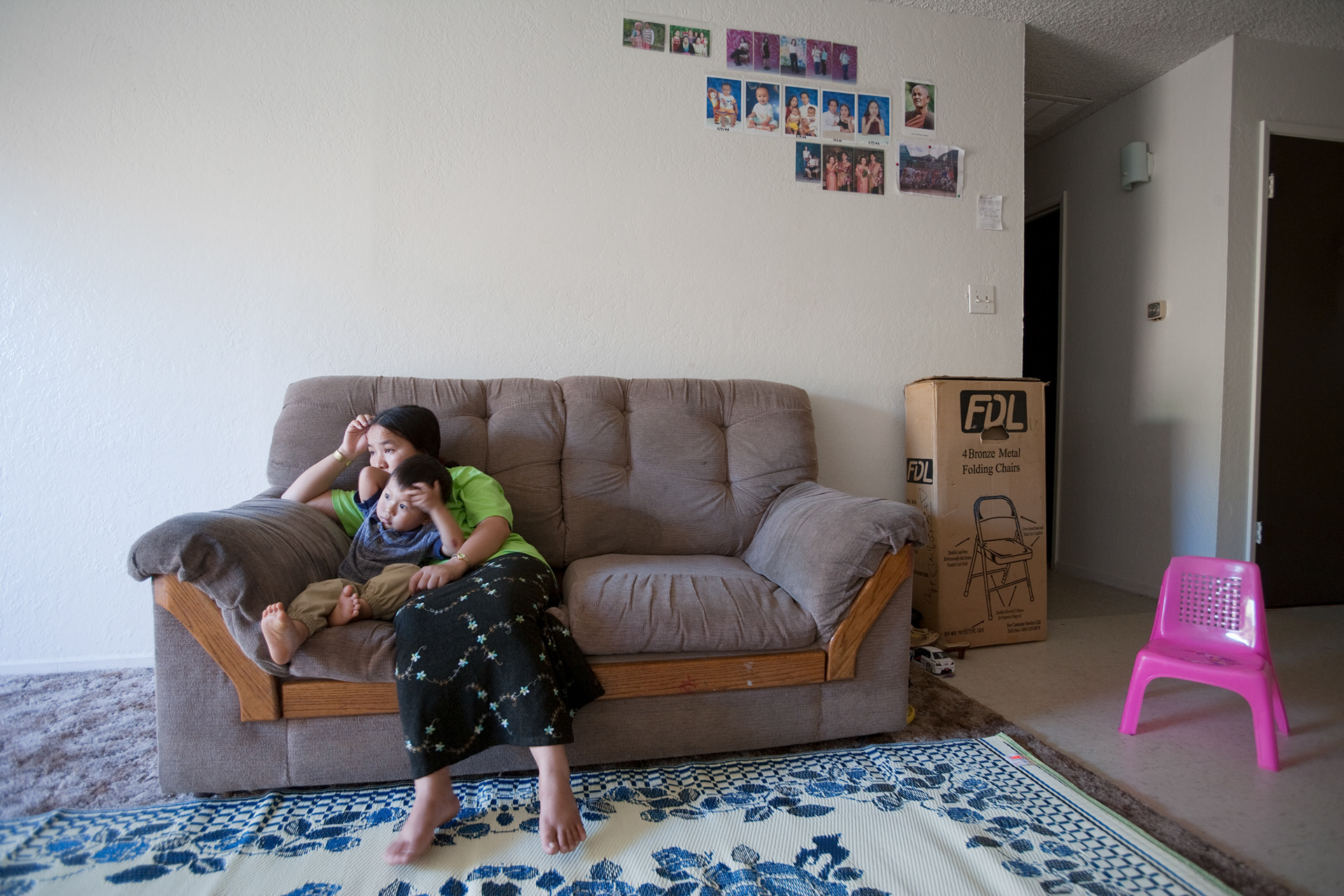
La Cha’s wife and son feel lost in their bleak new apartment, May 14, 2005.
Casa Mia-07
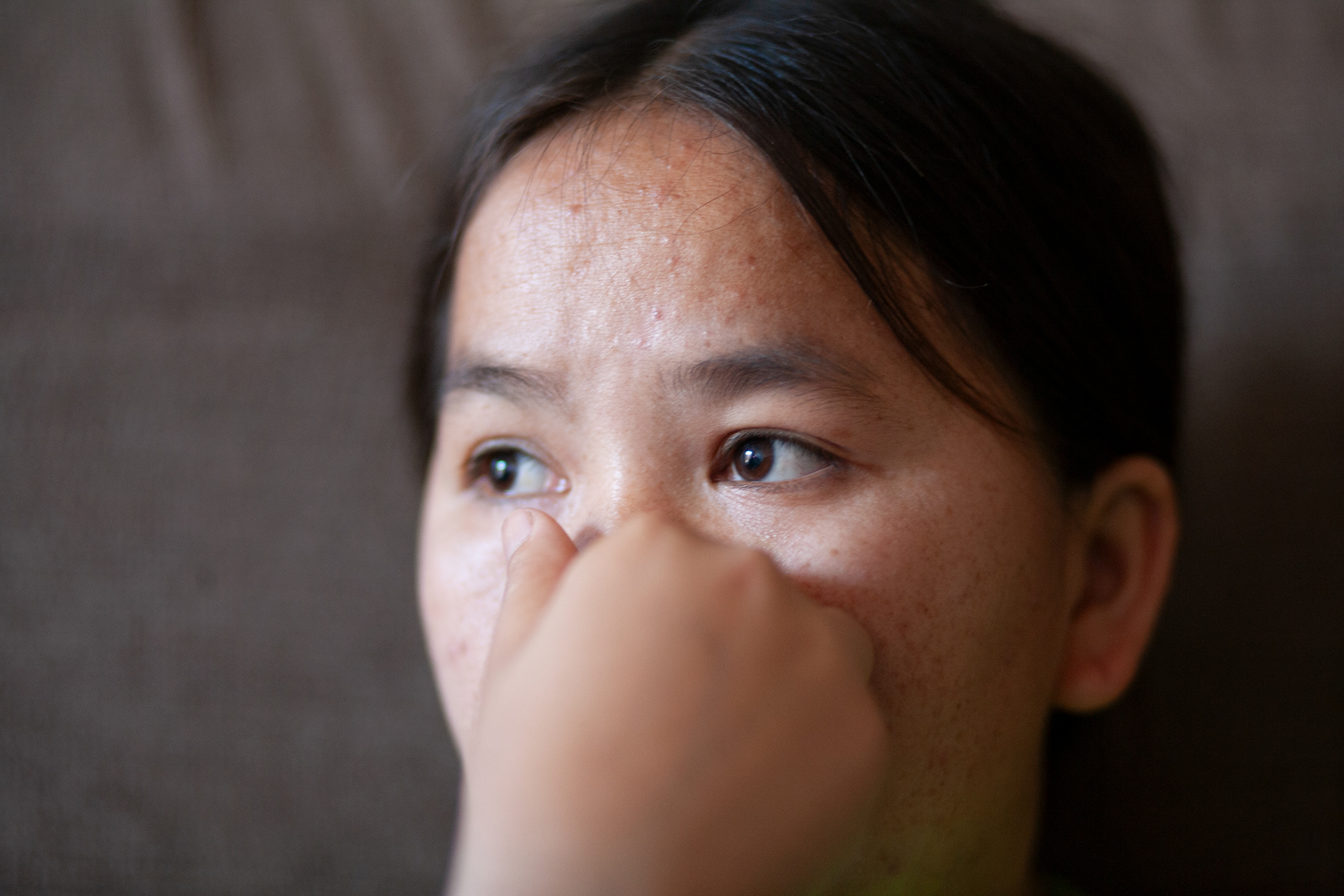
La Cha’s wife feels overwhelmed and depressed by life as a new arrival at Casa Mia. She expressed bewilderment at the plethora of bills the family must pay and the logistical challenges of life in Fresno without transportation, May 14, 2005.
Casa Mia-08
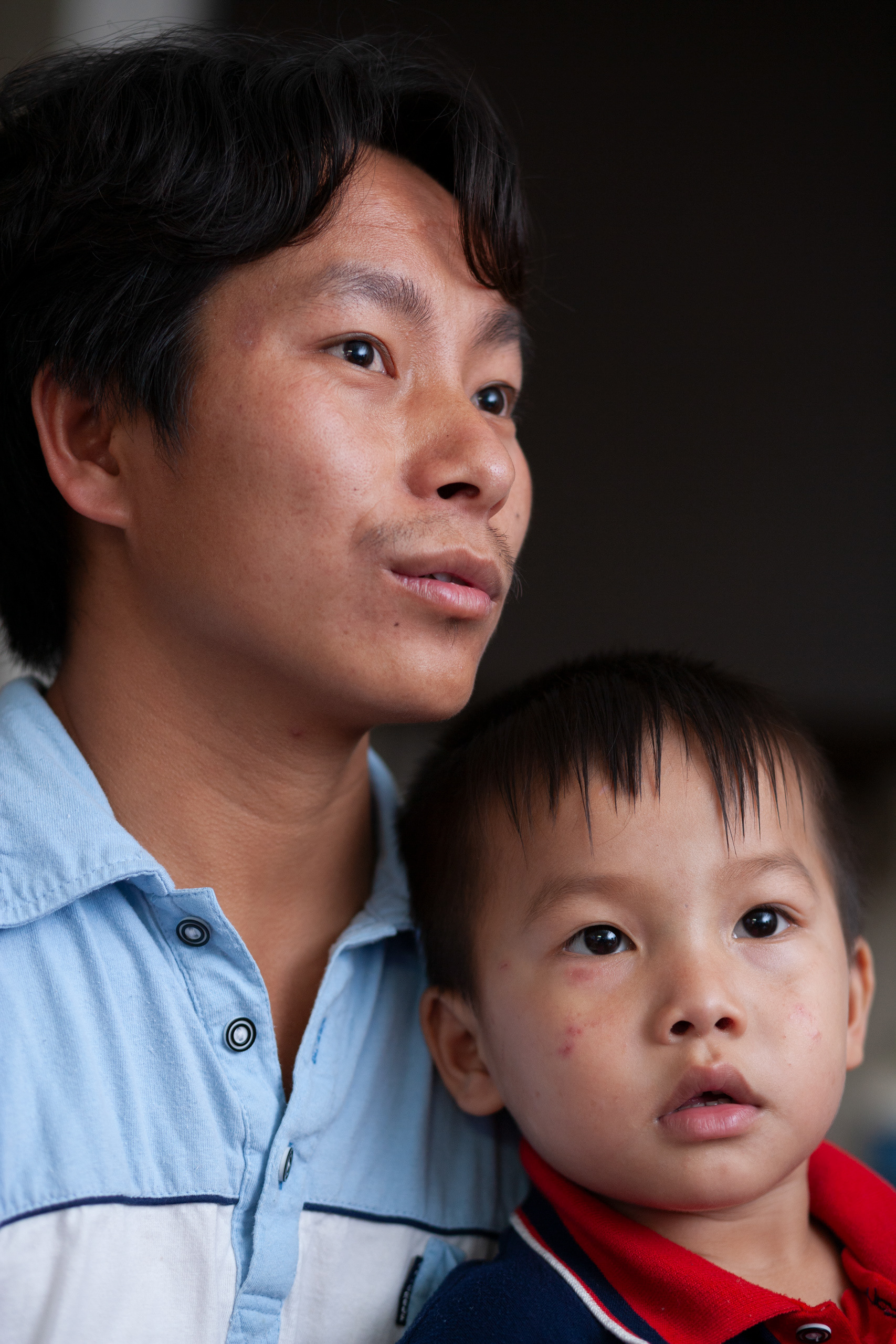
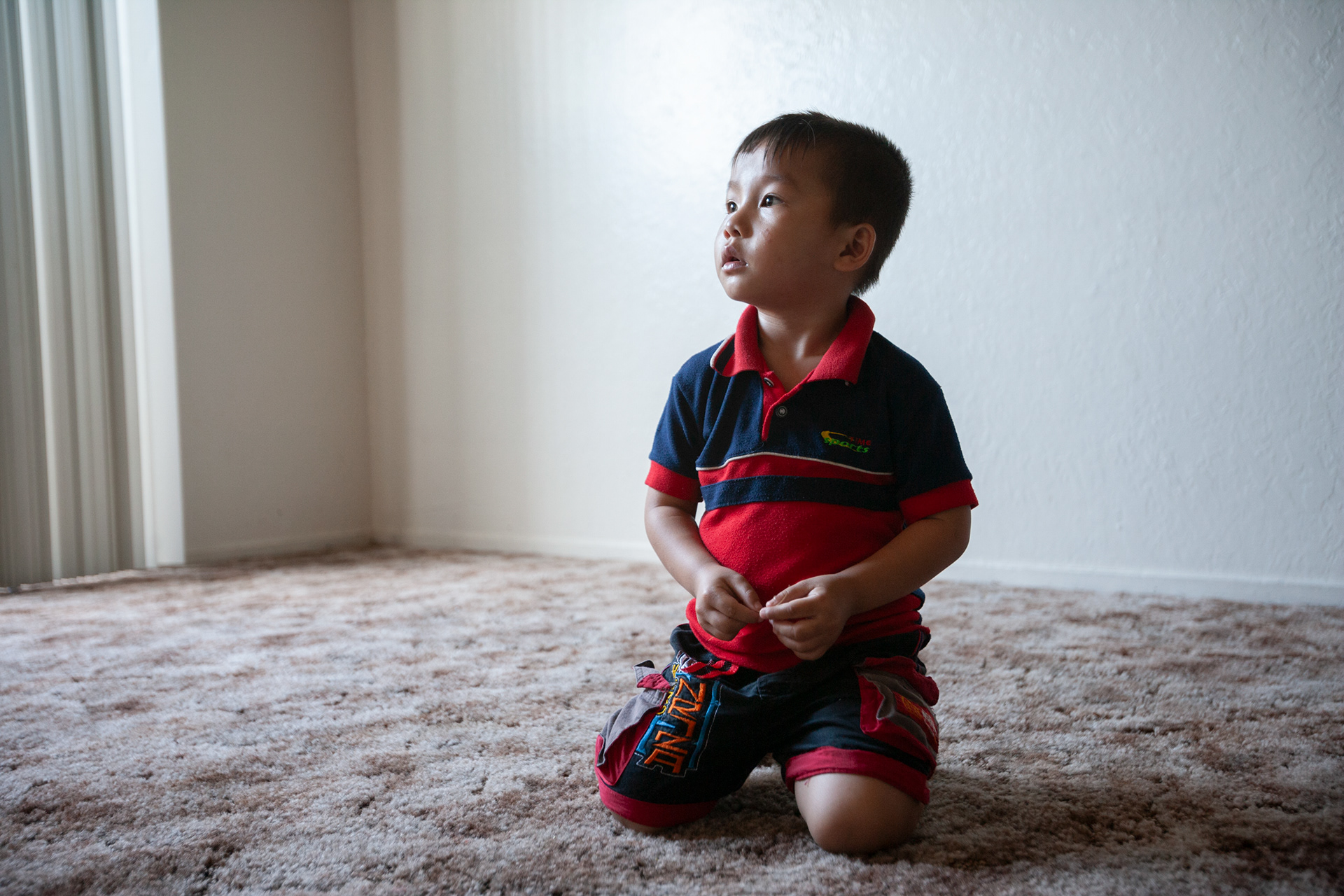
La Cha and his older son face an uncertain future in Fresno, May 14, 2005.
Casa Mia-09
La Cha’s son must adjust to a bleak world with little to occupy his time, May 14, 2005.
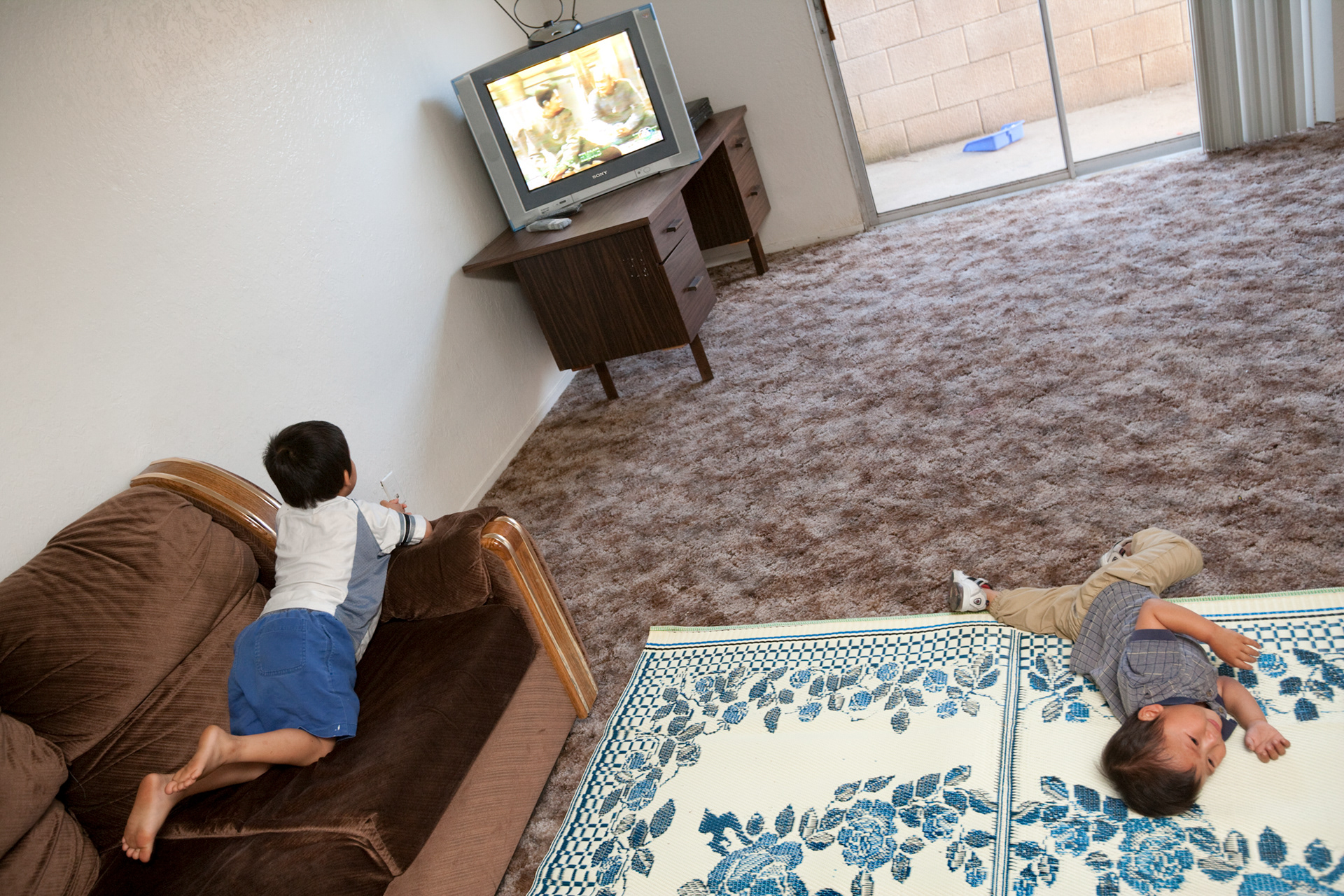
Casa Mia-10
La Cha’s sons have nothing to do so they act out, May 14, 2005.
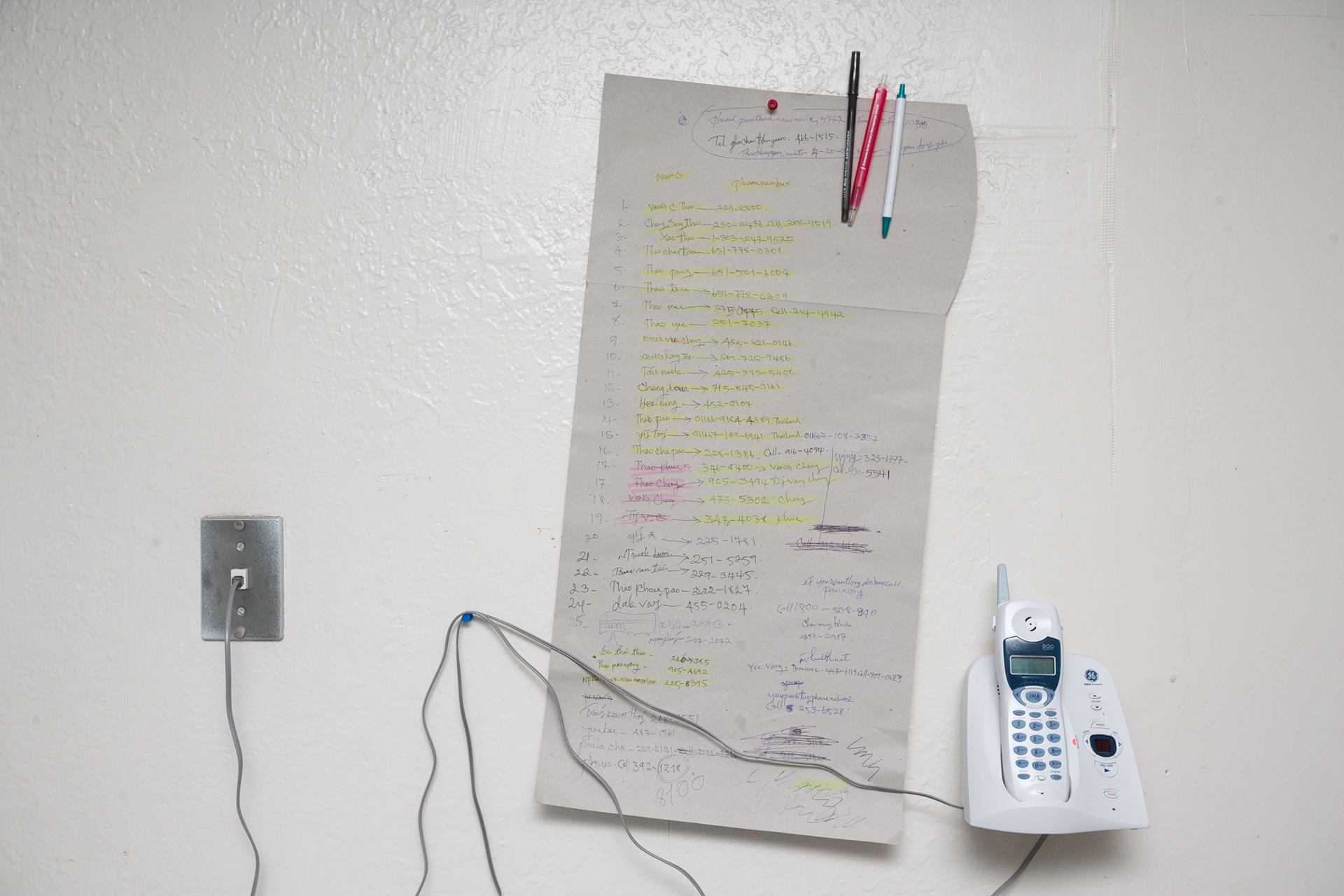
Casa Mia-11
The Cha parents keep a list of their relatives’ phone numbers, a lifeline for survival, May 14, 2005.
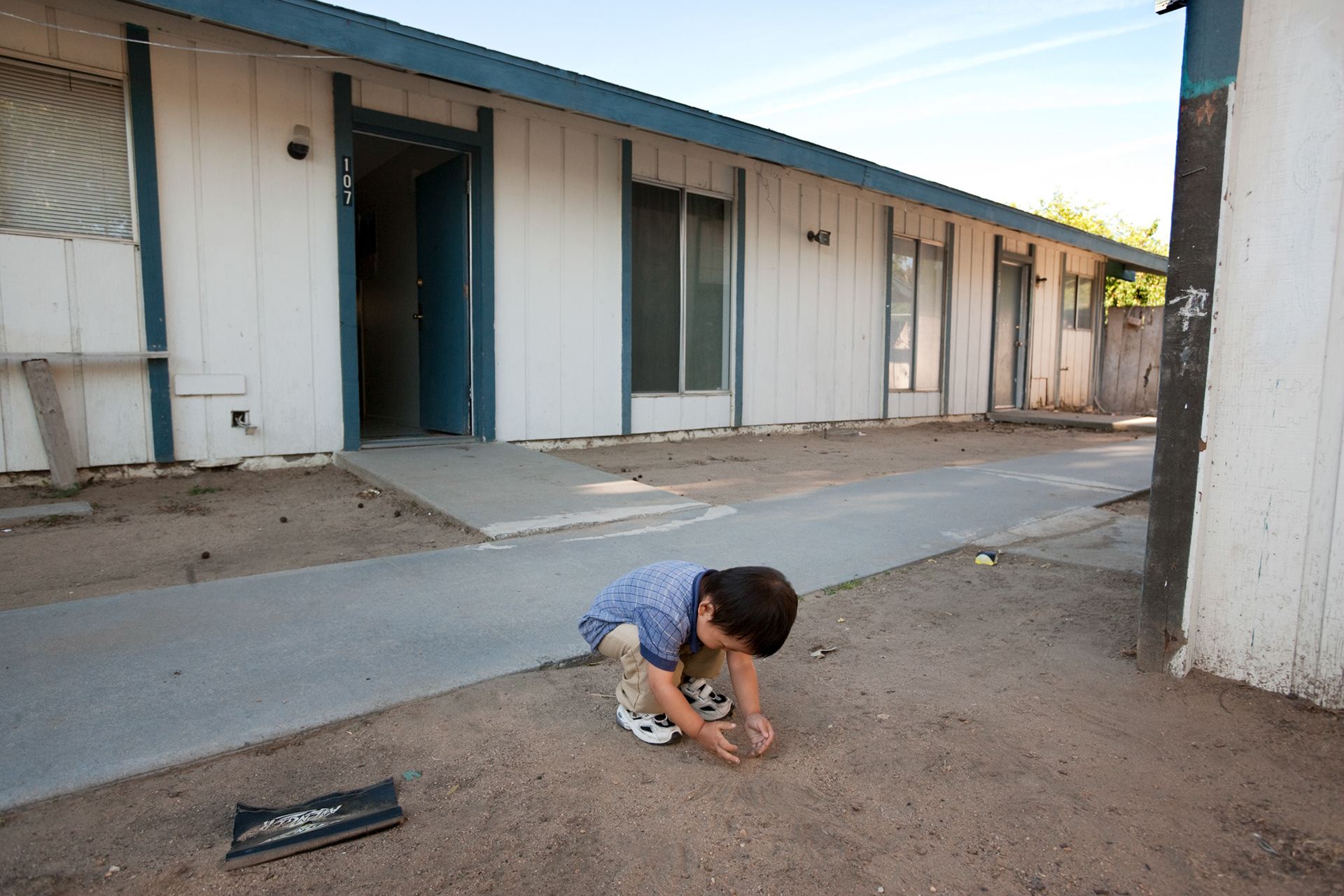
Casa Mia-12
La Cha’s son, Lang Thao has nothing to play with but dirt, May 14, 2005.
Casa Mia-13
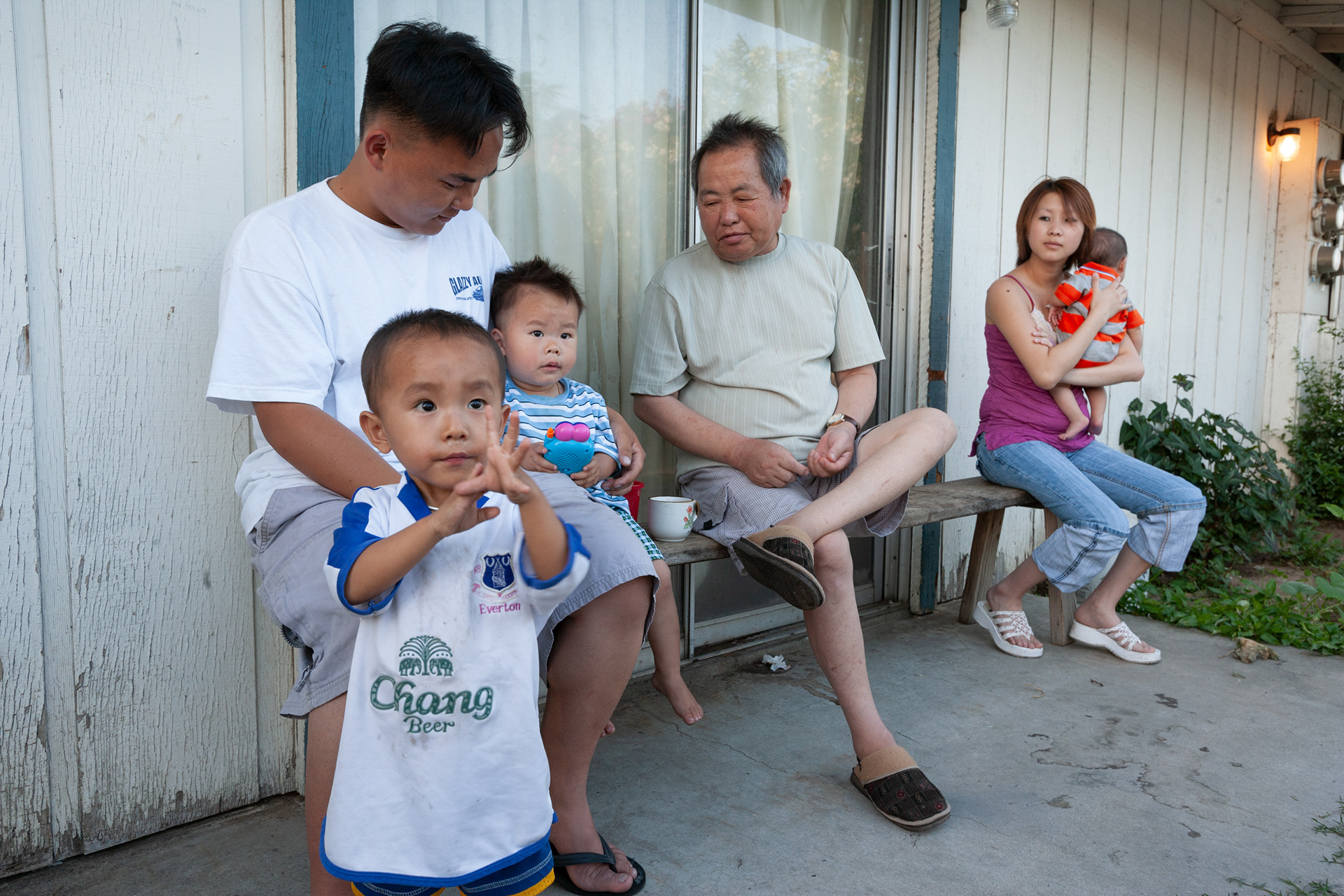
A group of refugees relaxes on a small Casa Mia porch, May 14, 2005.
Casa Mia-14
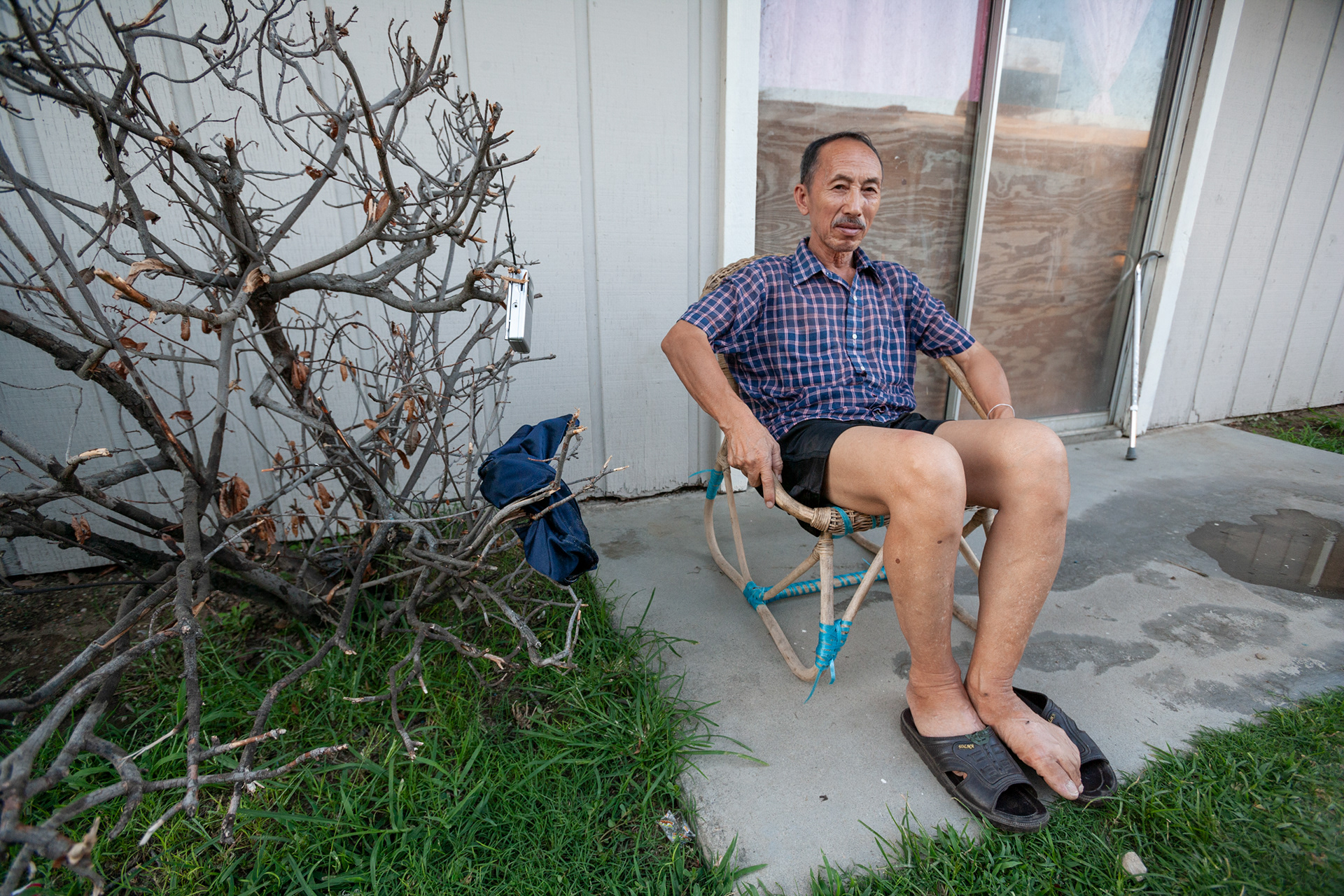
A man finds evening respite from Fresno's summer heat on his tiny porch, August 17, 2005.
Casa Mia-15
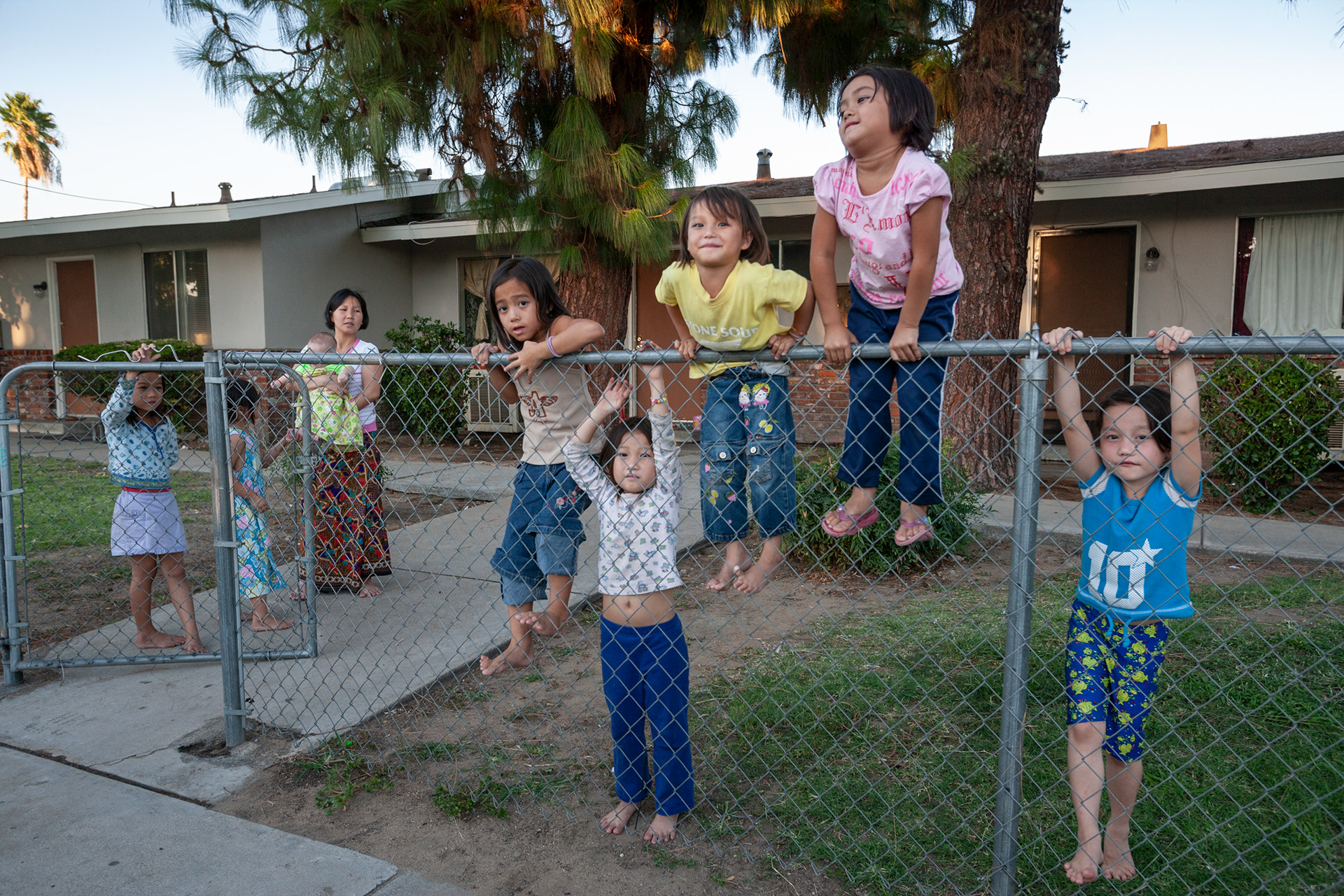
Hmong children play on a chain link fence at Casa Mia, August 17, 2005.
Casa Mia-16
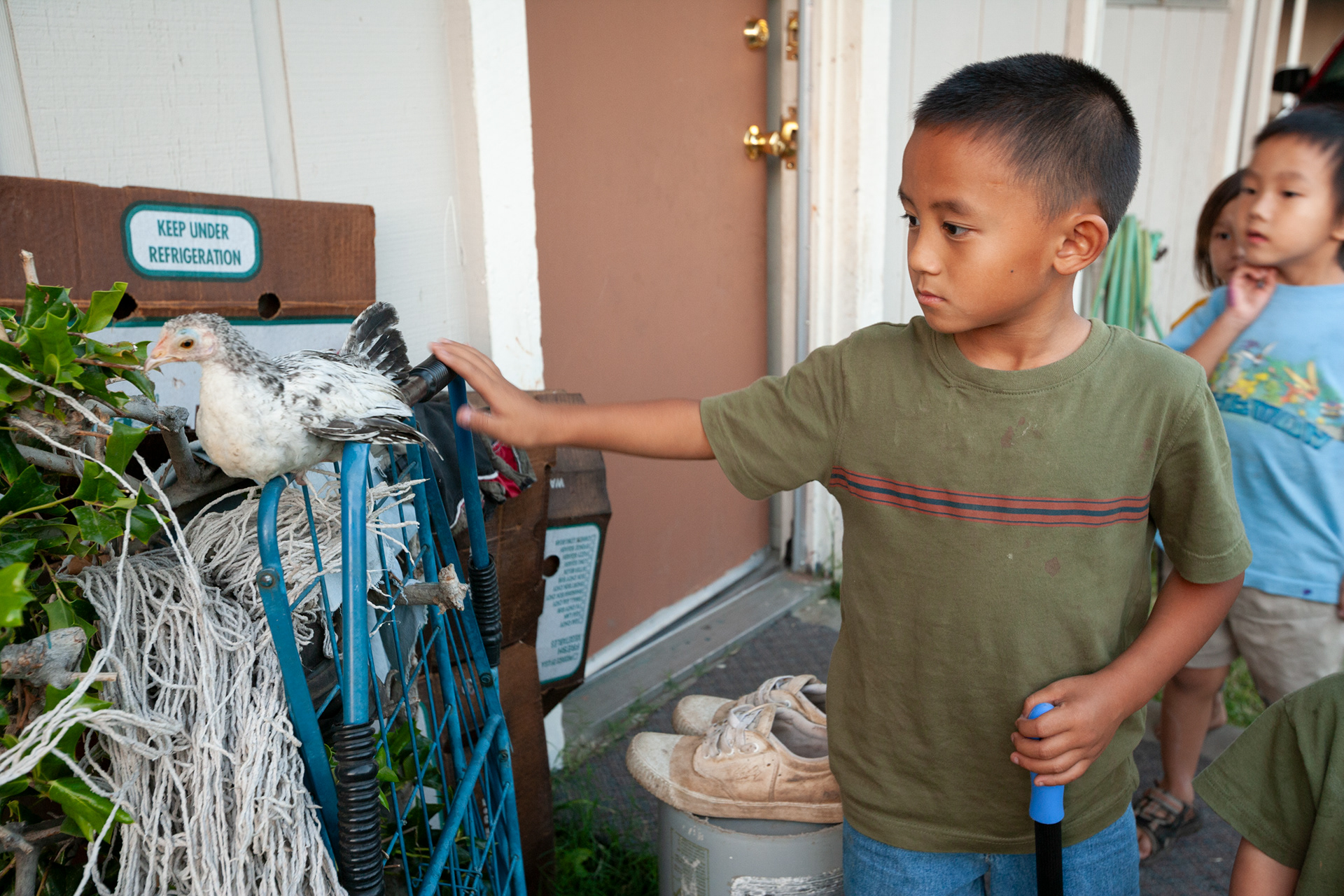
A Hmong boy looks after one of his family’s chickens, October 19, 2005.
Casa Mia-17
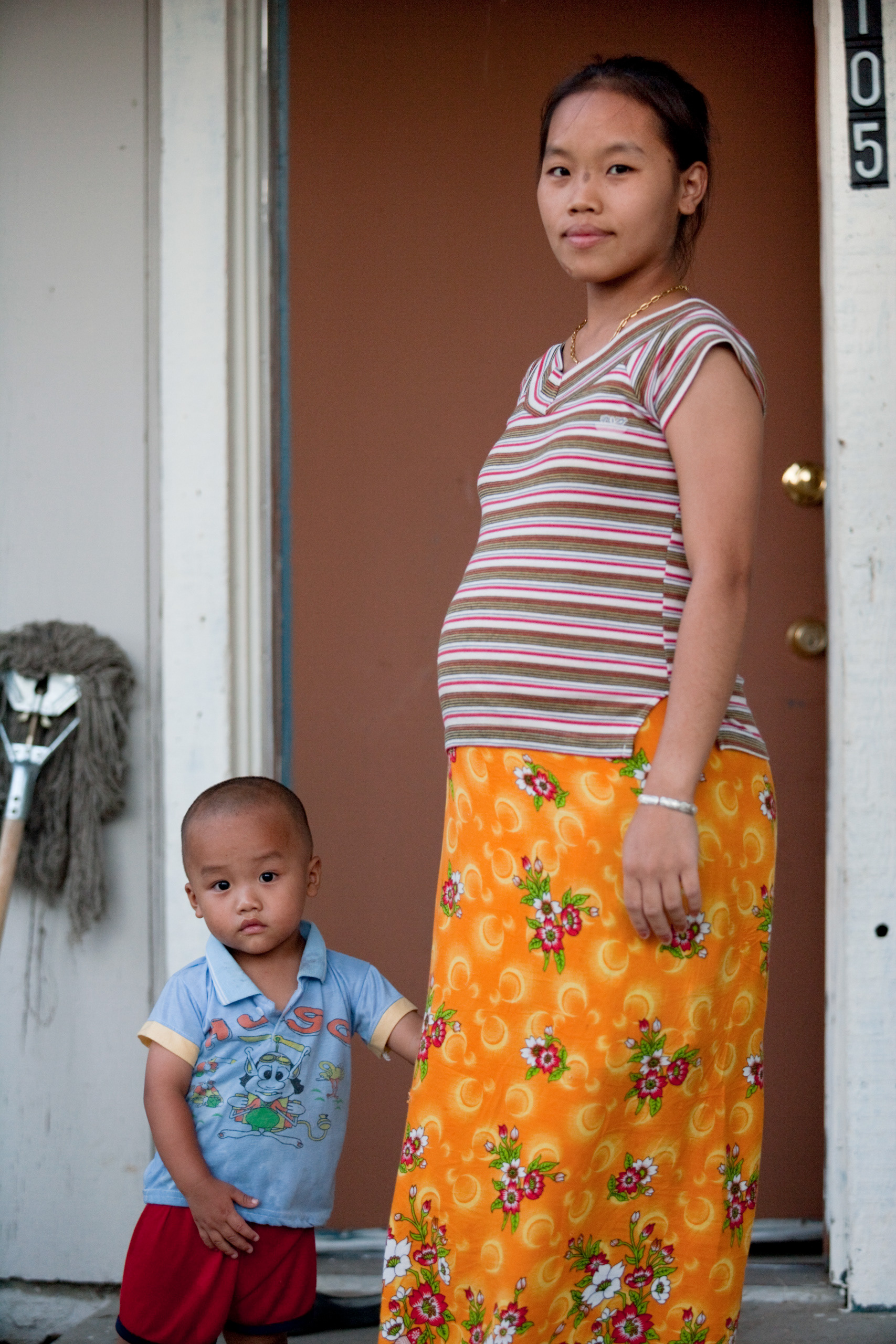
Tia Her, an expectant mother, and her son Bee Lee, August 17, 2005.
Casa Mia-18
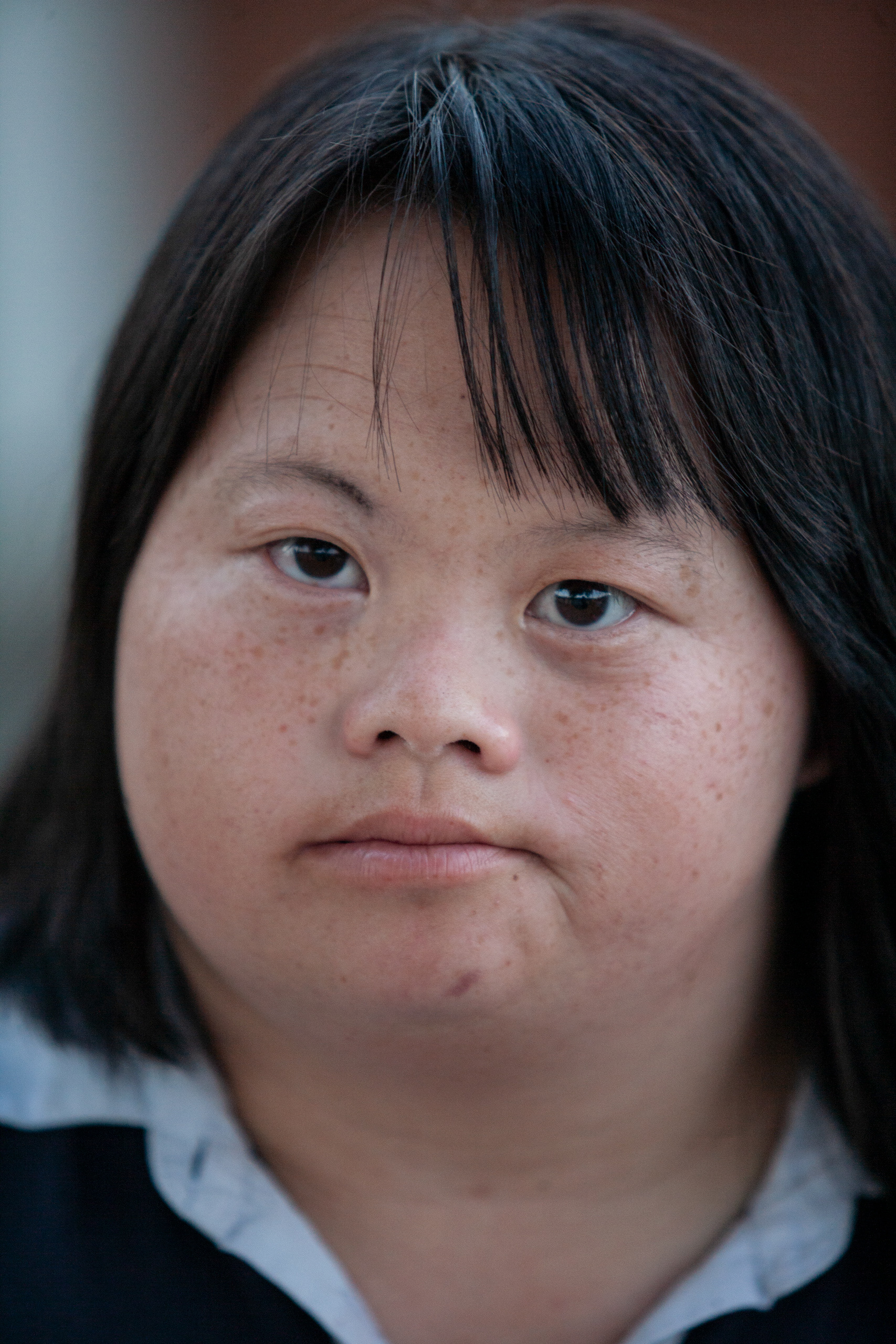
This young woman served as the unofficial greeter for Casa Mia apartments, cheerfully greeting all visitors, August 17, 2005.
Casa Mia-19
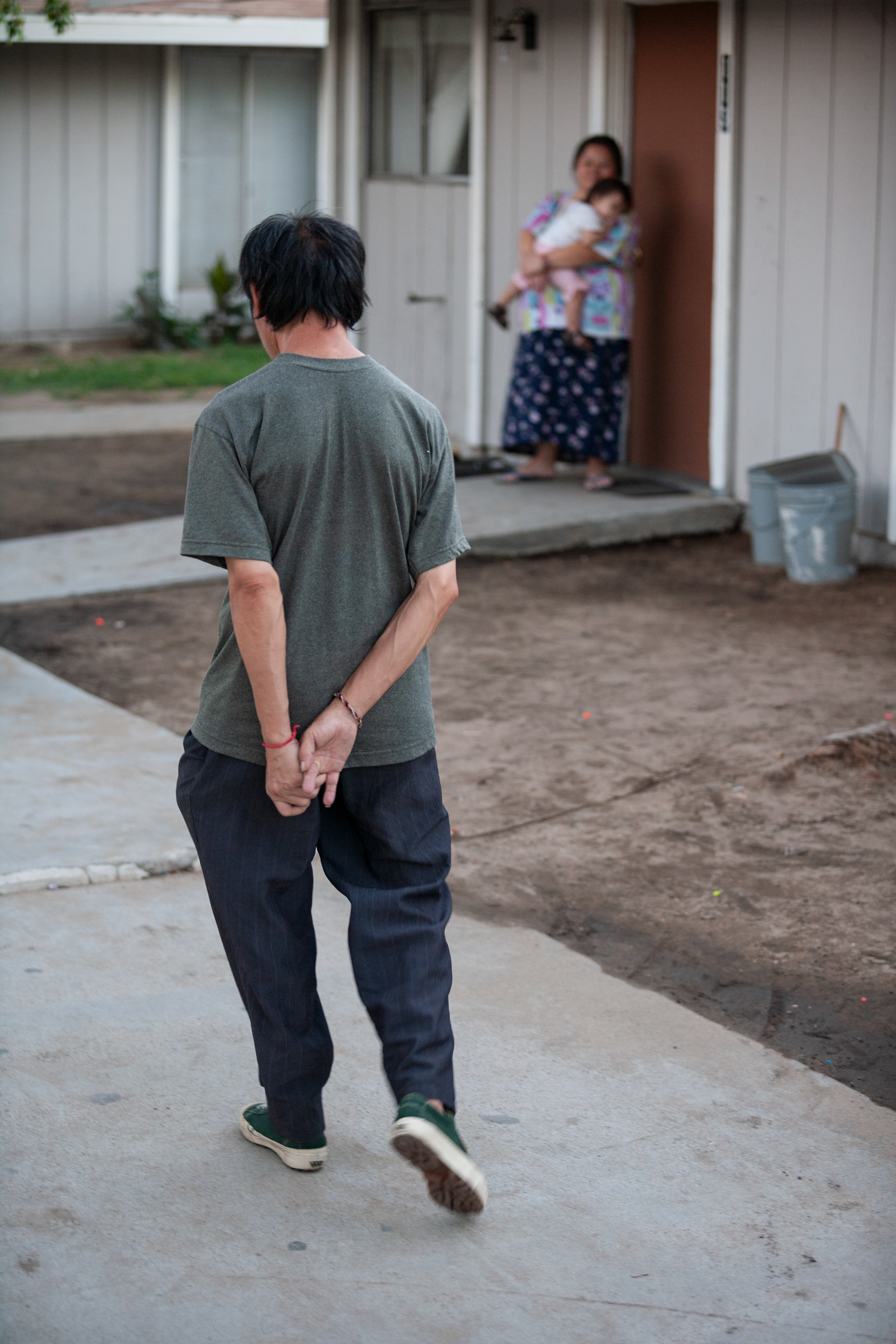
Thong Vang, who is mute, walks with a shuffle, dragging his right foot behind his left, August 17, 2005.
Casa Mia-20
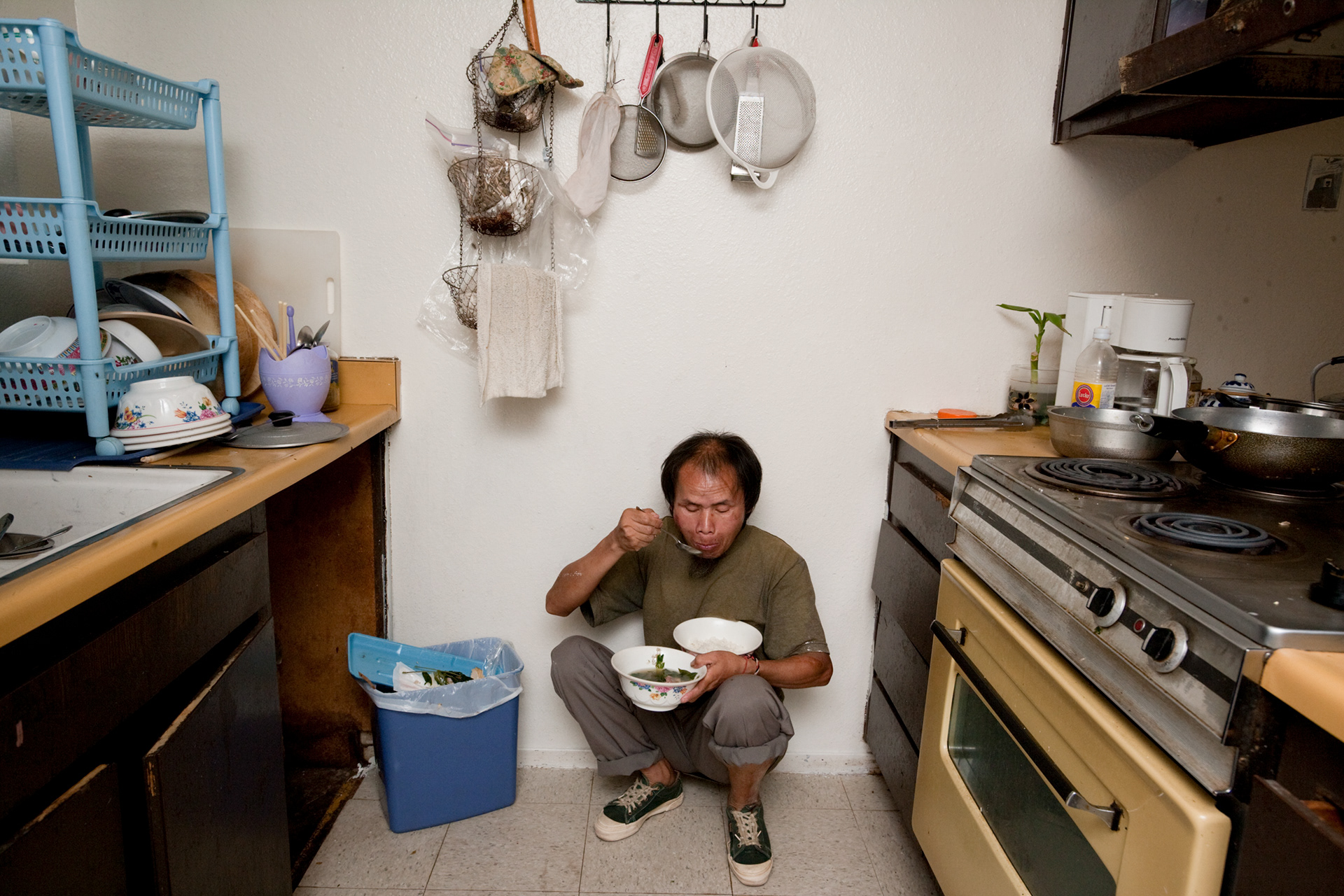
Thong Vang eats all his meals squatting on the kitchen floor, October 19, 2005.
Casa Mia-21
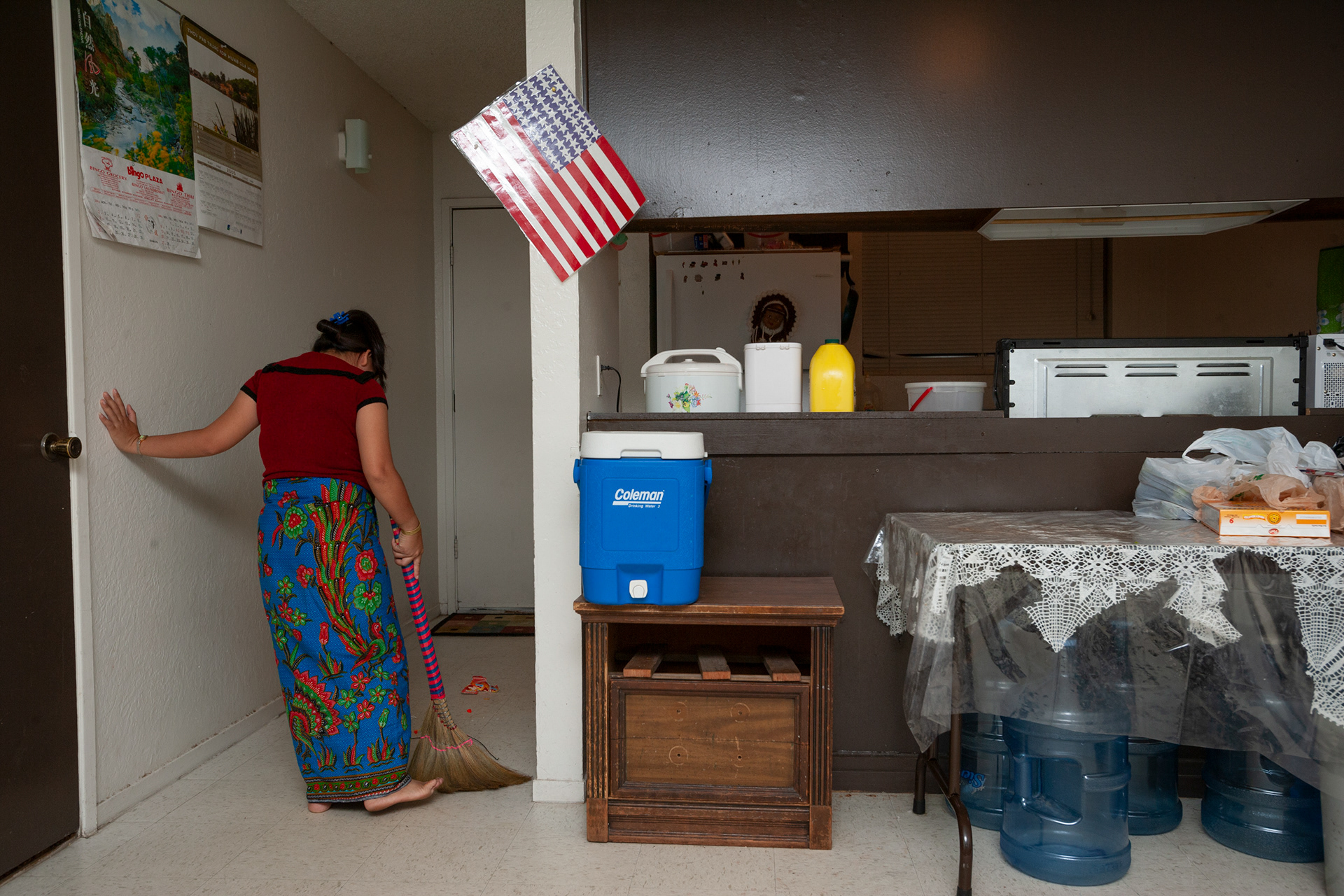
Thong Vang’s sister sweeps the kitchen floor, August 17, 2005.
Casa Mia-22
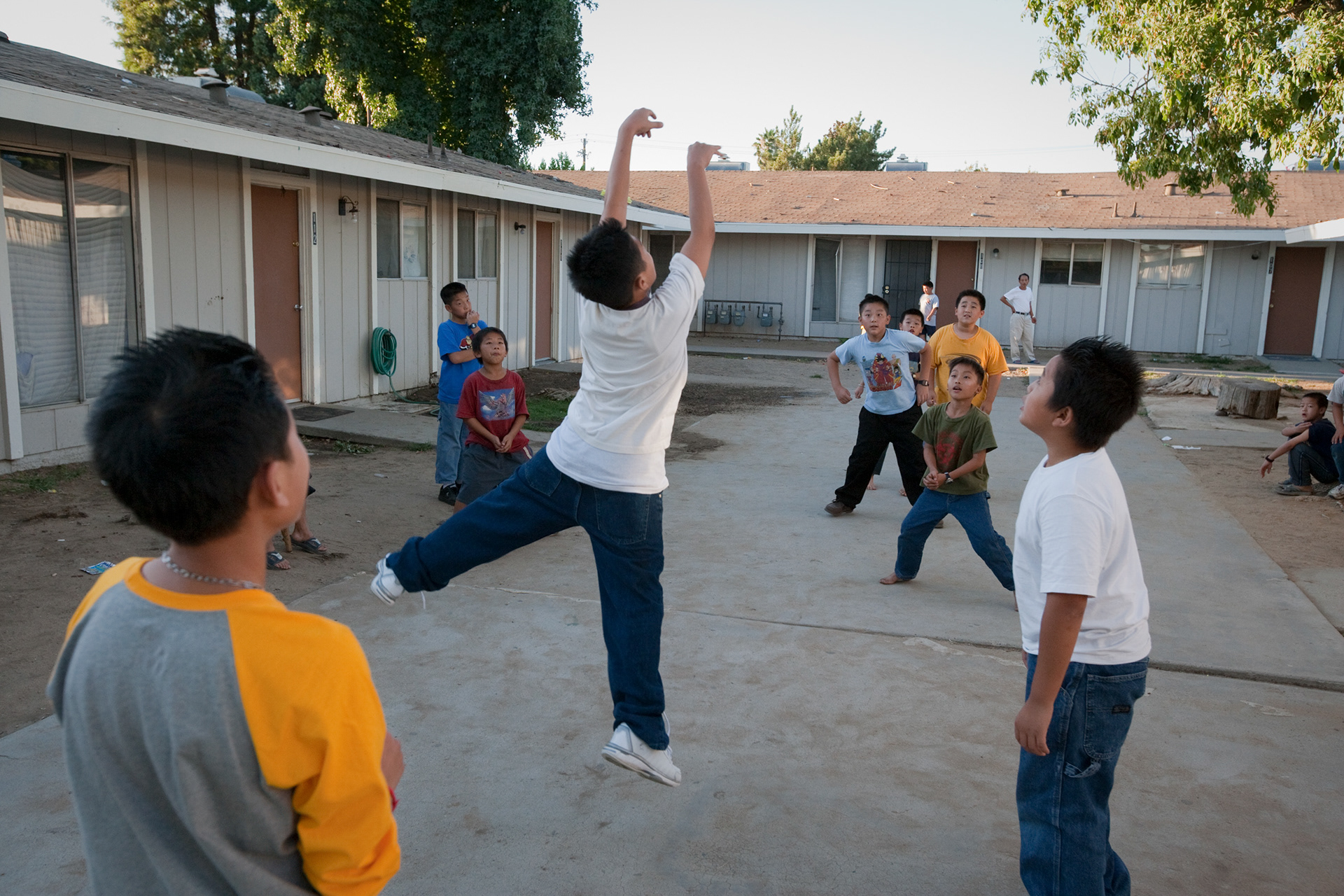
Hmong boys play volleyball without a net at Casa Mia apartments, August 30, 2005.
Casa Mia-23
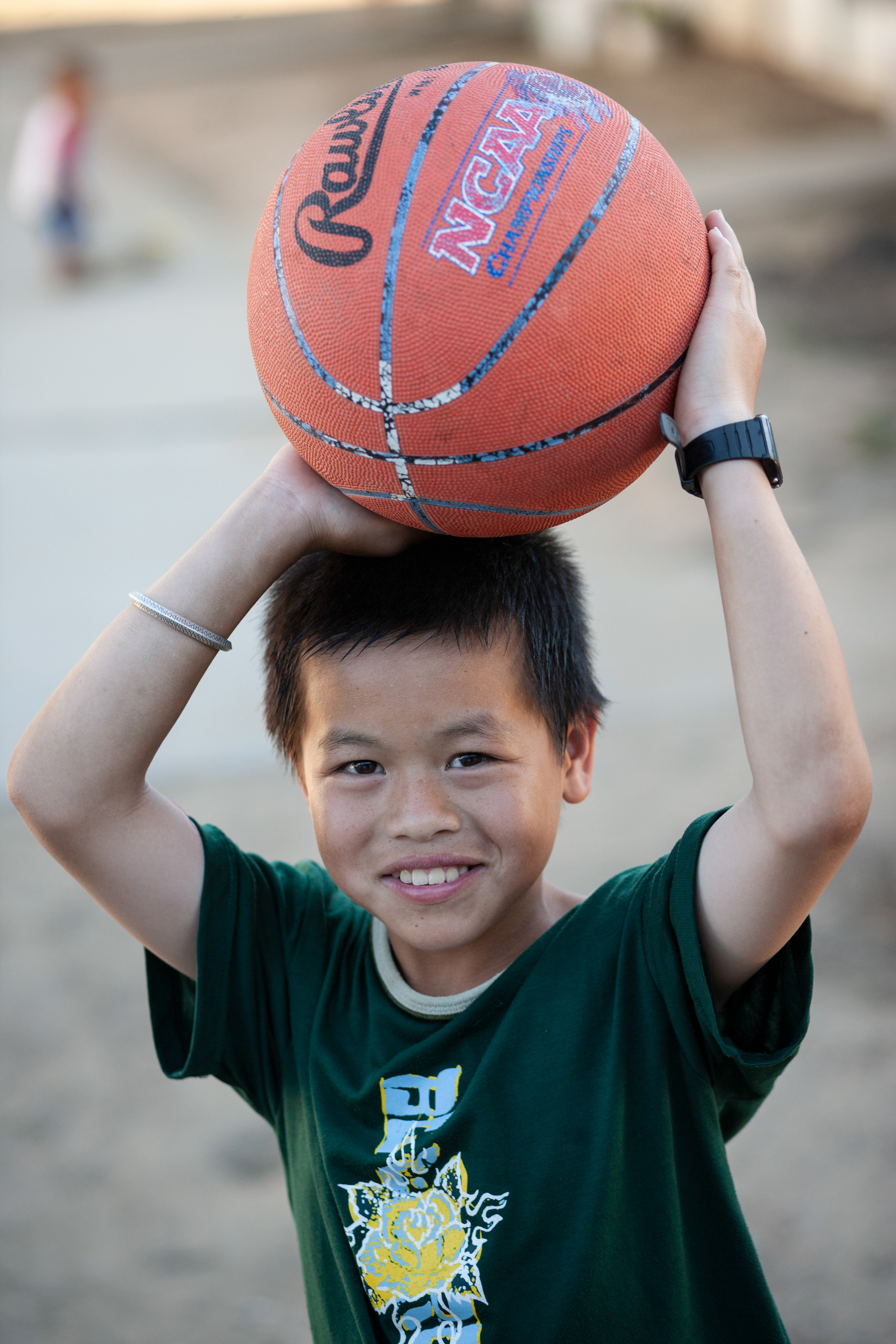
A Hmong boy pauses from his hoop-less basketball practice, May 14, 2005.
Casa Mia-24
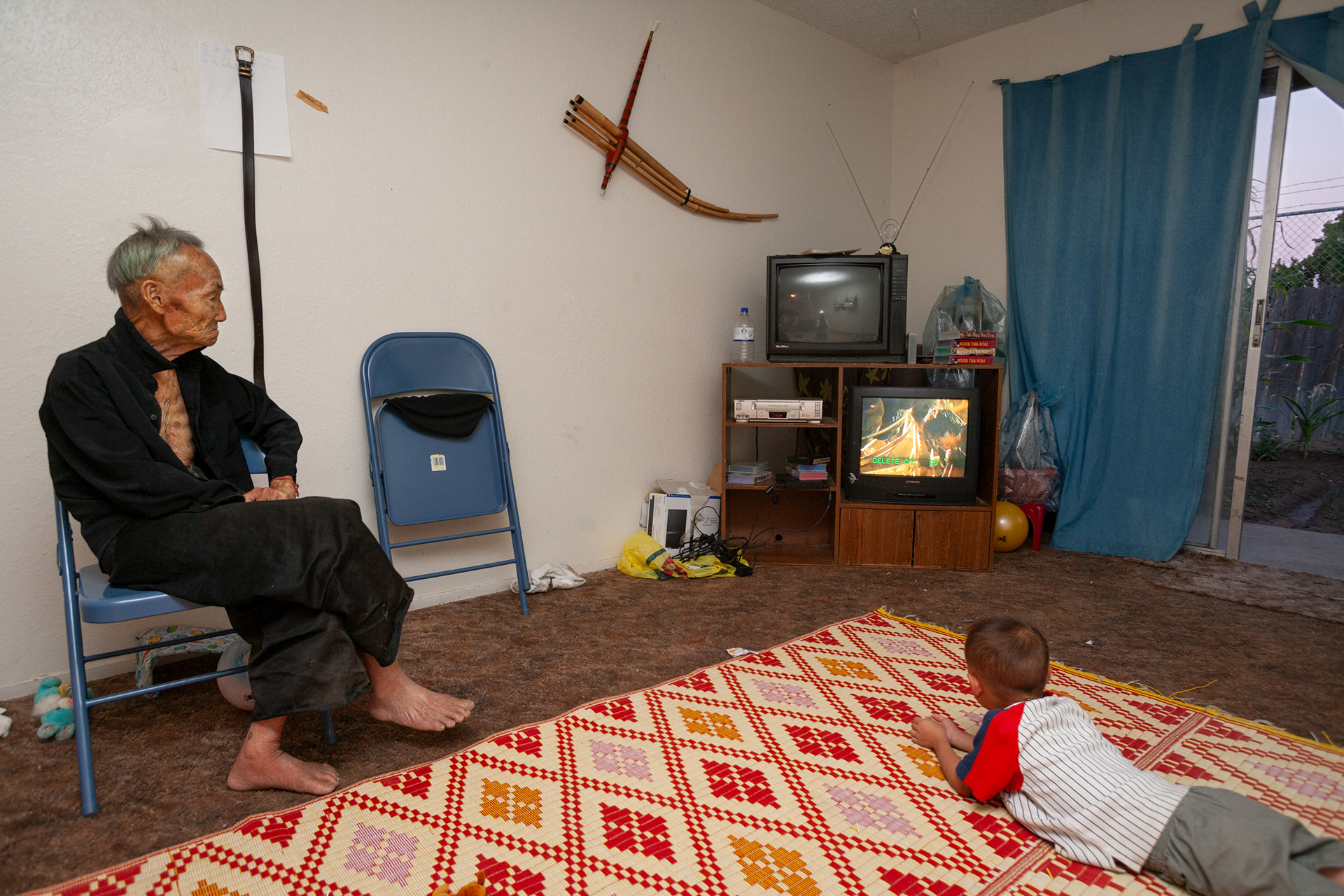
Recent arrival, Va Ser Chang and his great grand nephew watch TV in their living room.
August 30, 2005.
Casa Mia-25
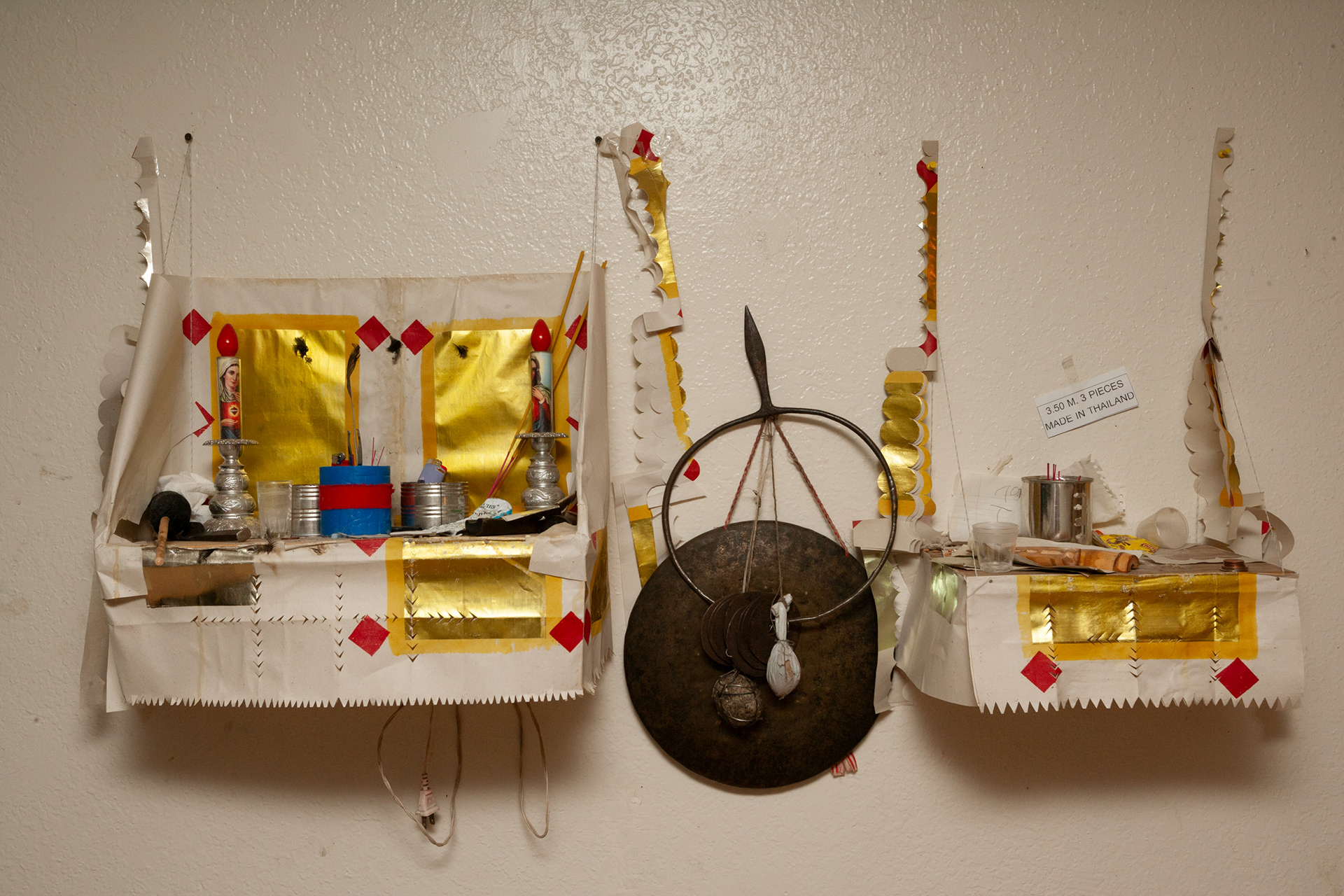
A small Hmong altar with standard shamanic accoutrements: rattle, gong and finger bells in the apartment where Va Ser Chang and his family live, August 30, 2005.
Casa Mia-26
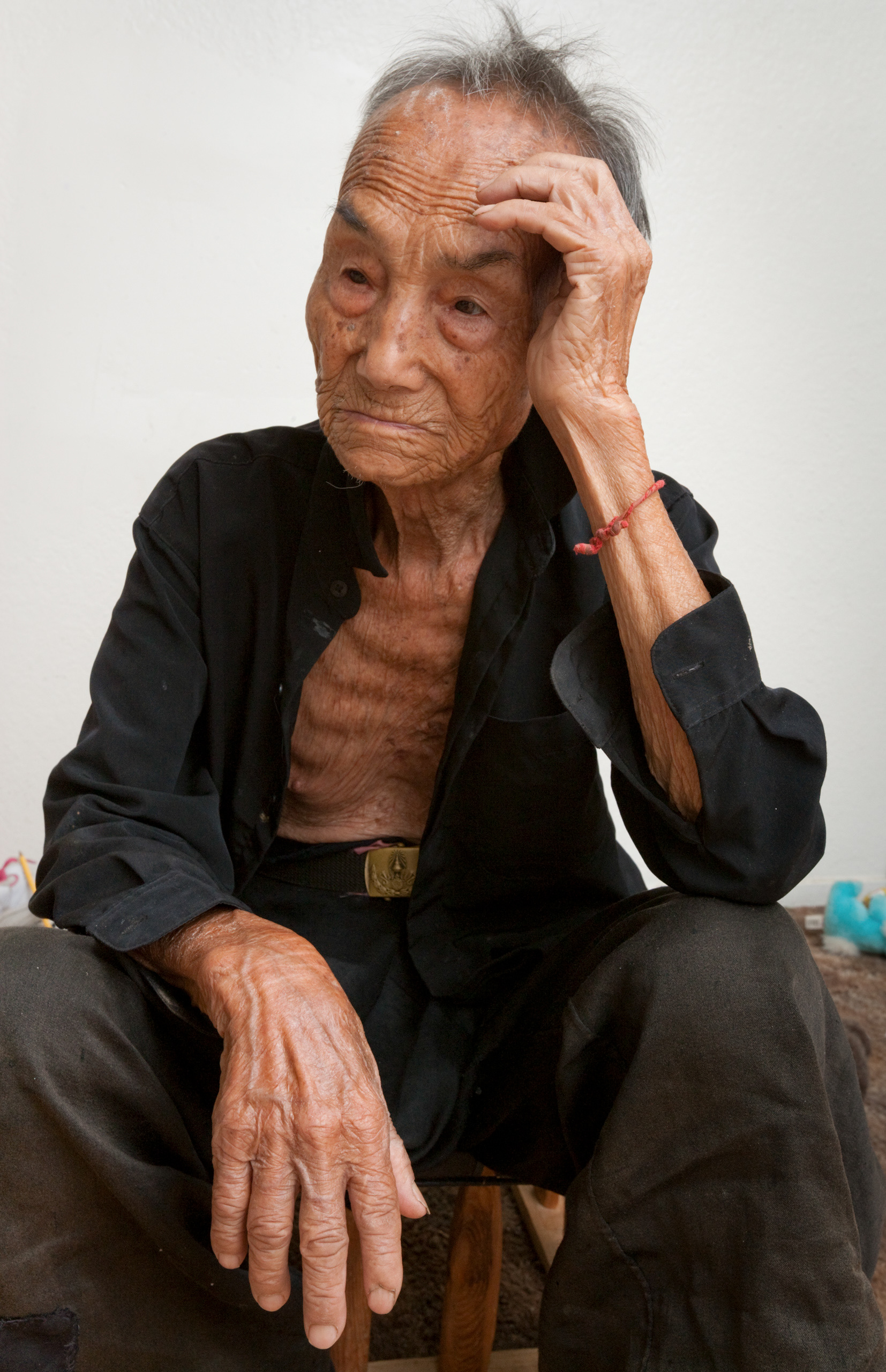
Recent arrival, Va Ser Chang still wears his black Hmong village clothes. His family says that he was 99 years old when he came to Fresno from the refugee camp in Thailand. Photo: August 30, 2005.
Casa Mia-27
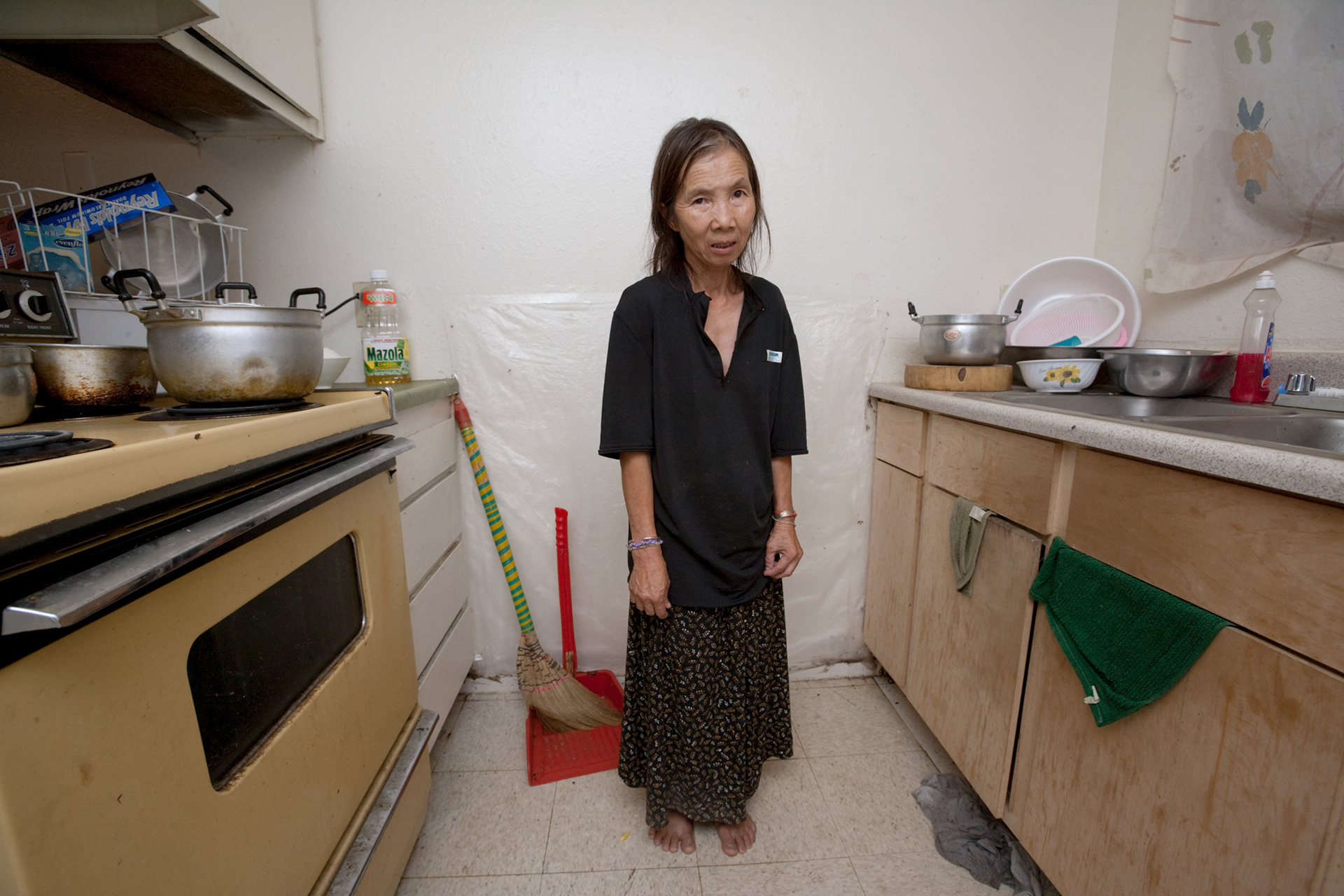
Yee Chang has just burnt a skillet of hot chili peppers. The smoke causes everyone in the house to start coughing, August 30, 2005.
Casa Mia-28
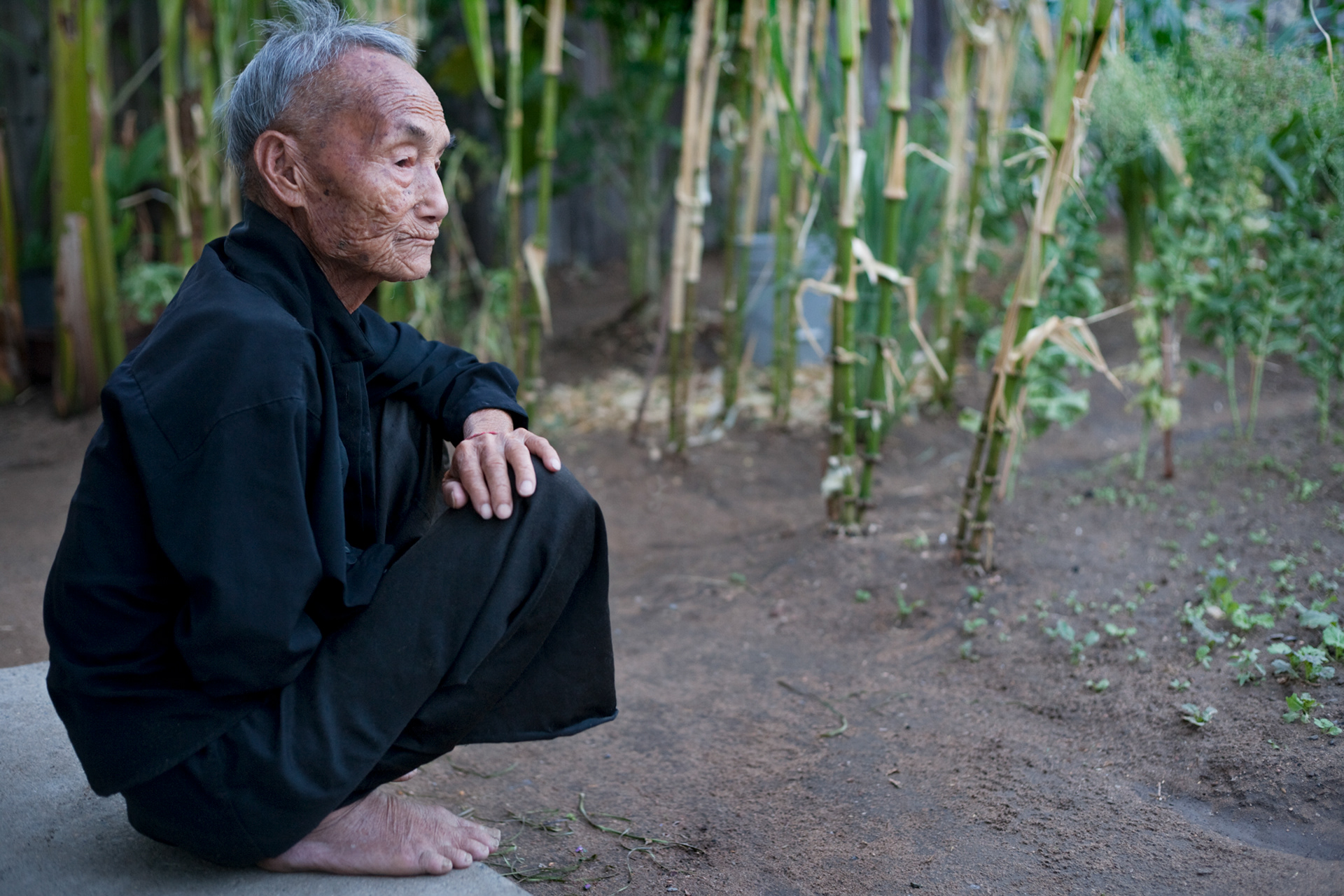
Va Ser Chang escapes the smoke caused by his niece burning a skillet of hot chili peppers, squatting on the back door stoop. His family has transformed this tiny cubicle backyard into a lush garden full of vegetables and herbs, August 30, 2005.
Casa Mia-29
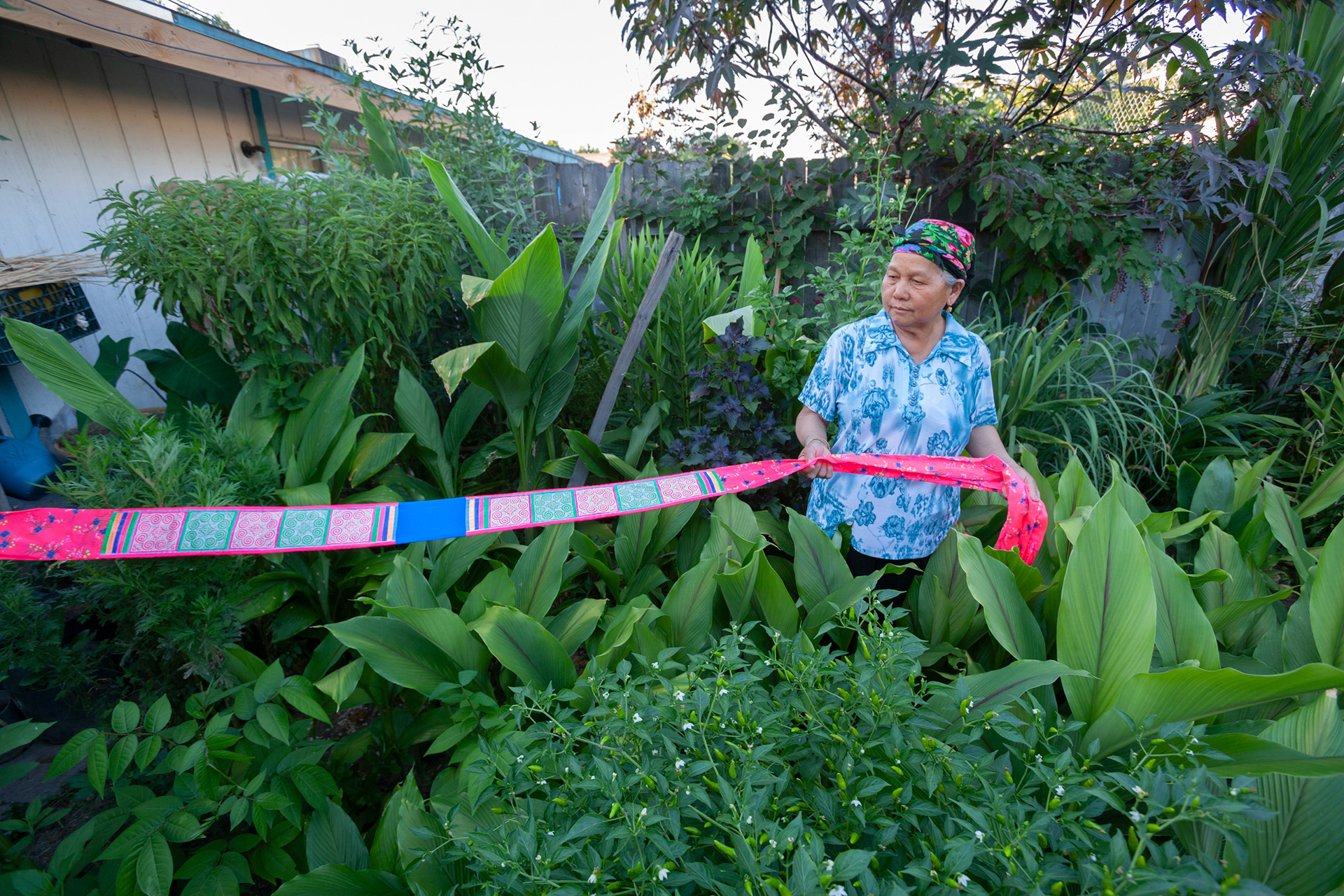
In a neighboring backyard garden, a woman unfurls a long sash she is making for a new year costume, August 30, 2005.
Casa Mia-30
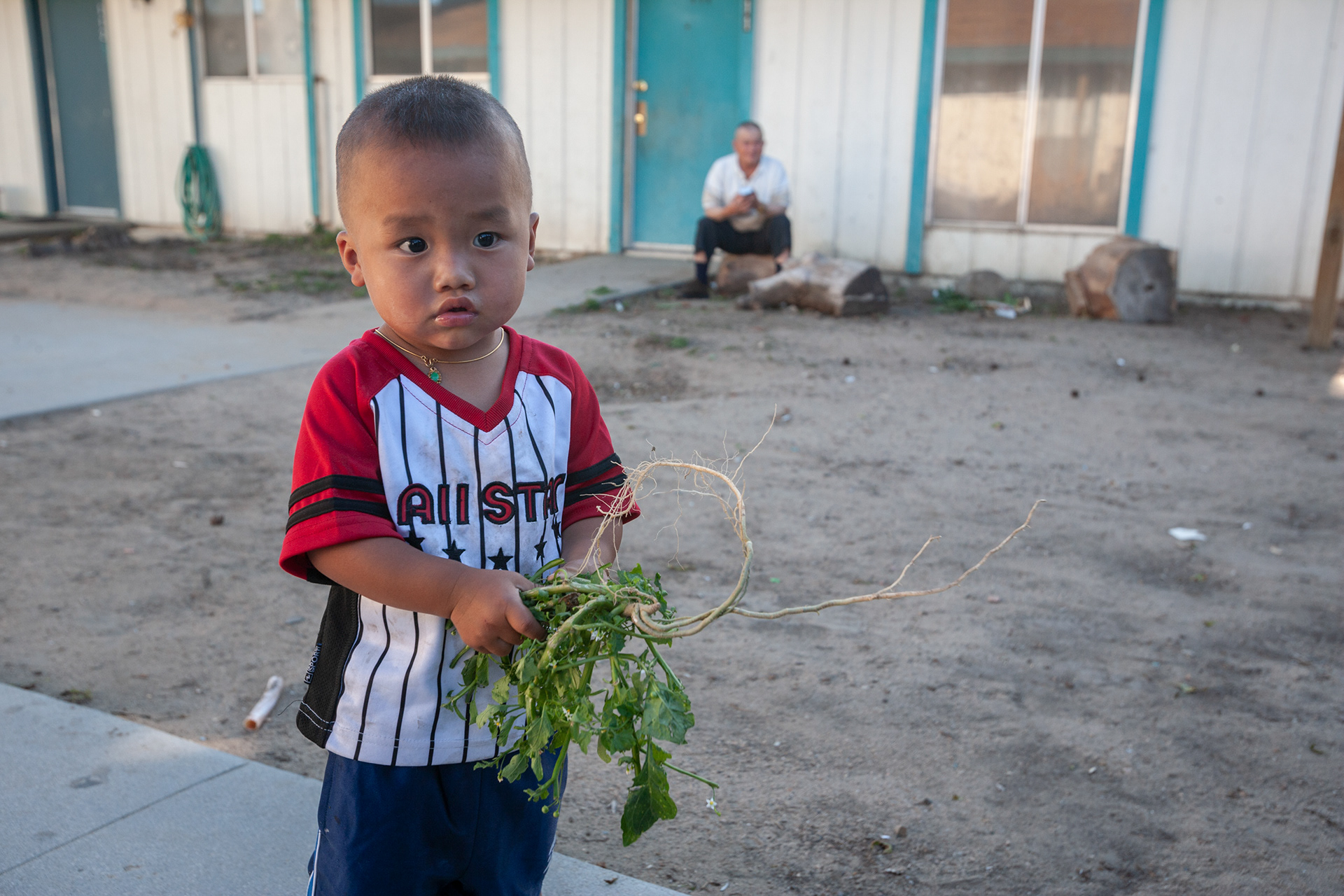
Bee Lee has just pulled up a plant from a neighbor’s garden, May 14, 2005.
Casa Mia-31
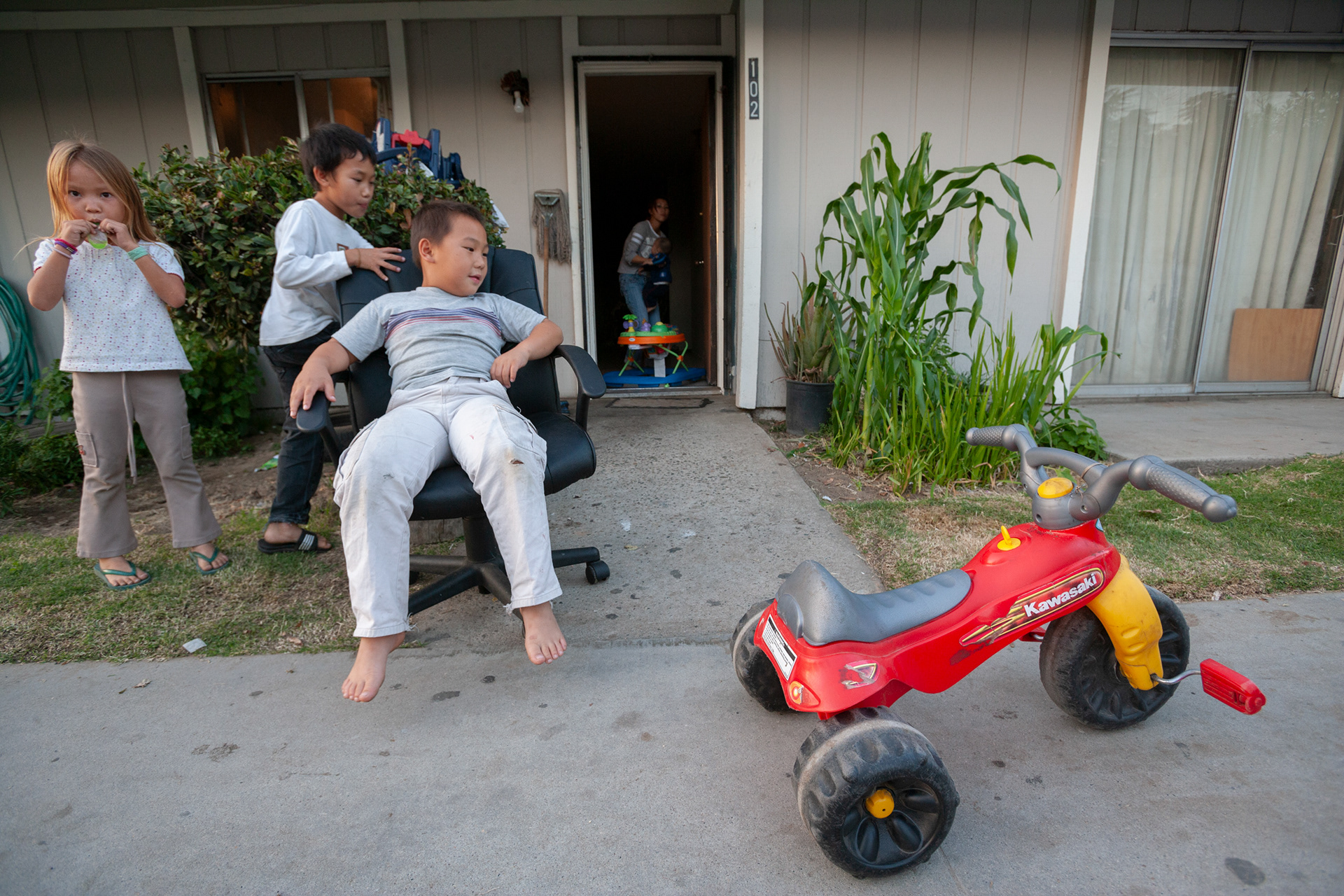
Children play after school, October 19, 2005.
Casa Mia-32
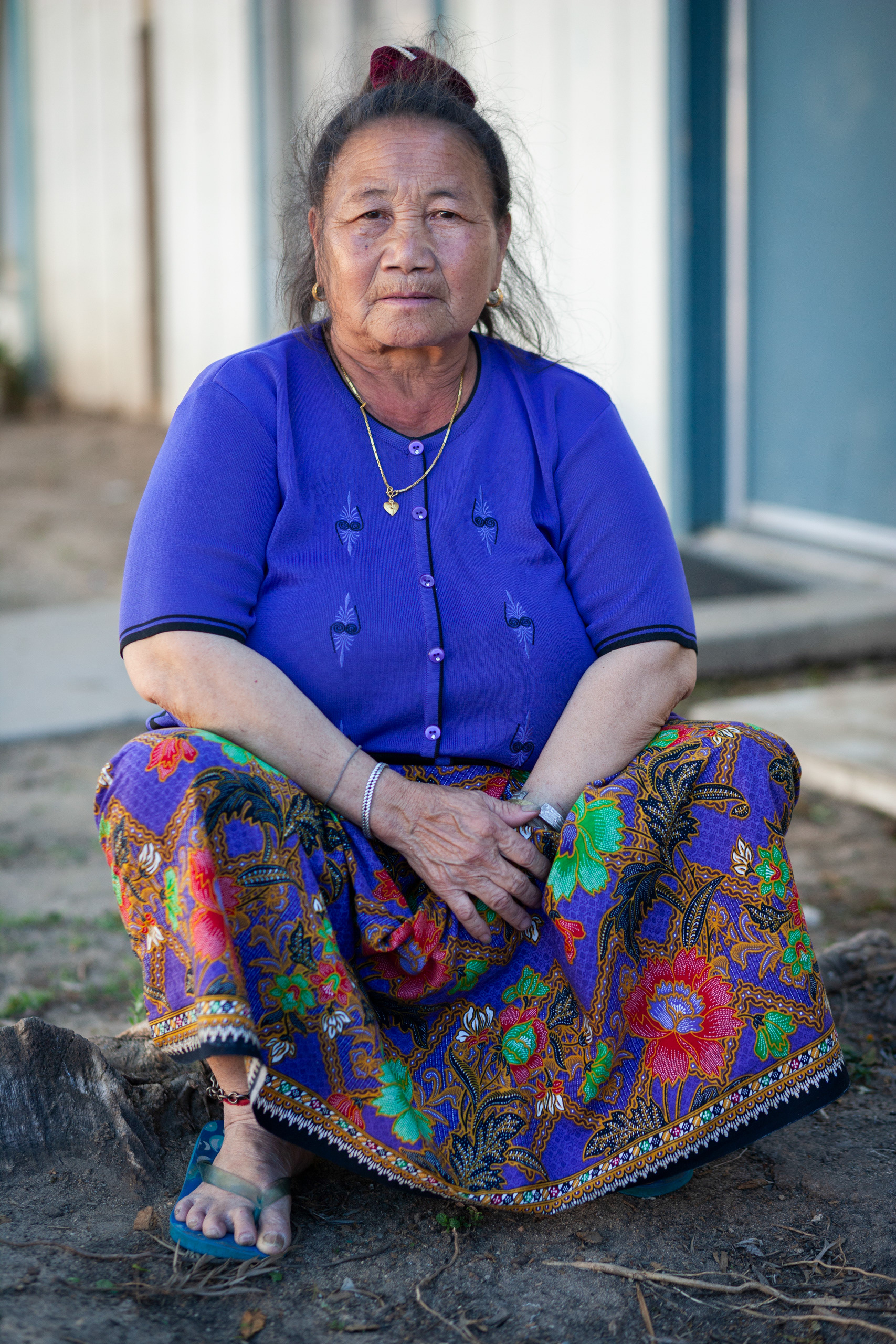
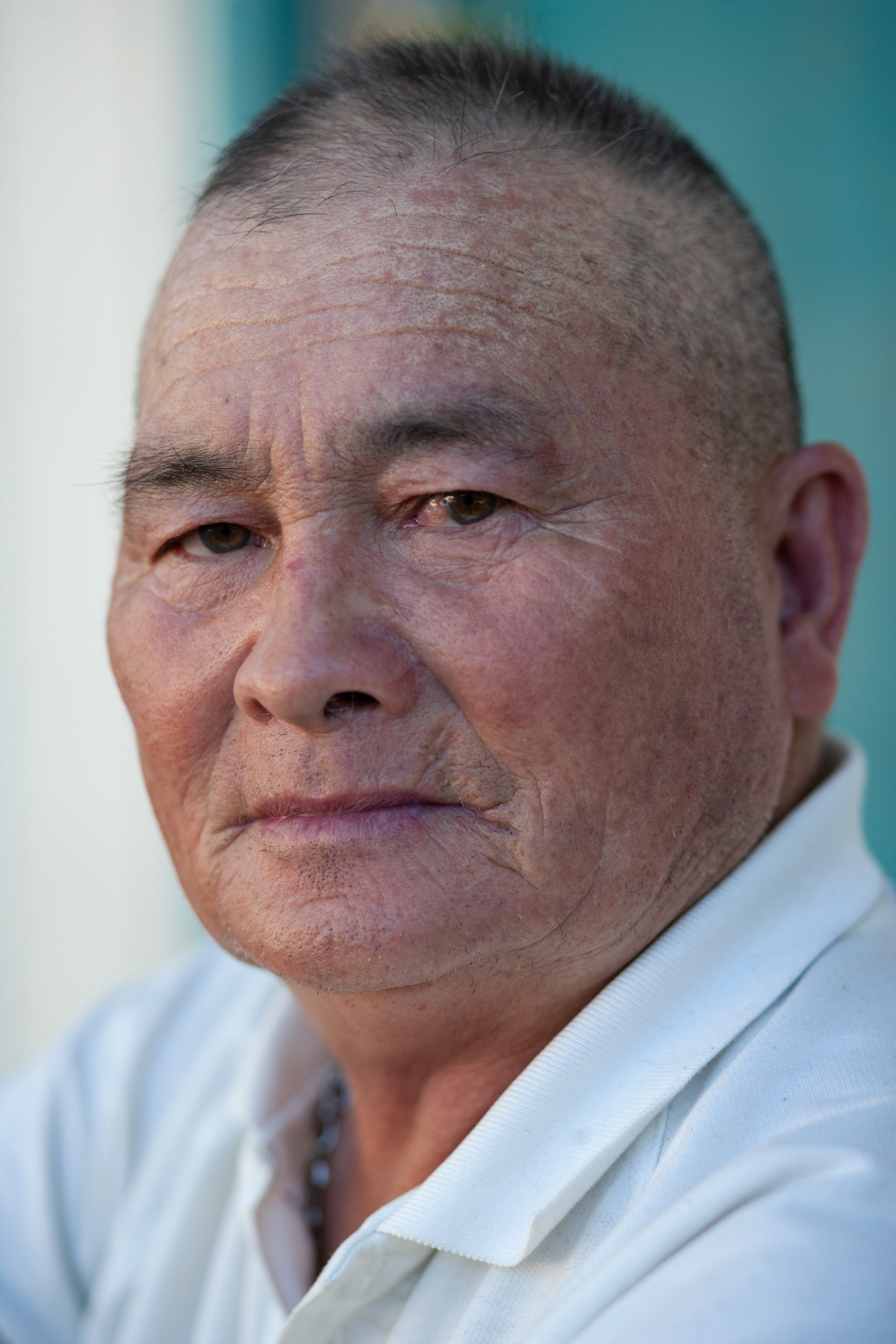
Mrs. Her relaxes one evening in what passes for a front yard, May 14, 2005.
Casa Mia-33
A portrait of Mr. Her, May 14, 2005.
Casa Mia-34
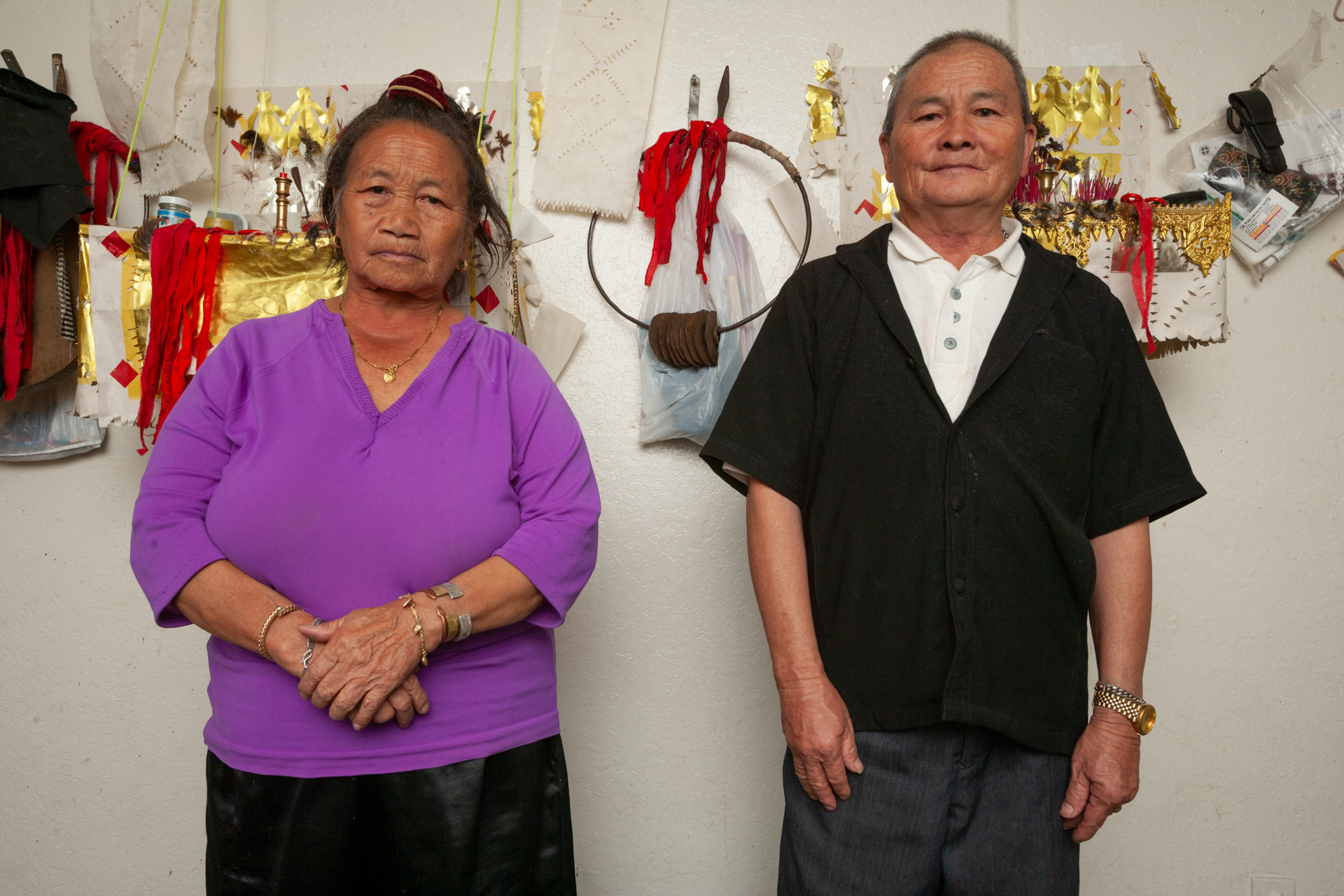
Mr. and Mrs. Her in front of their shamanic altars, October 19, 2005.
Casa Mia-35
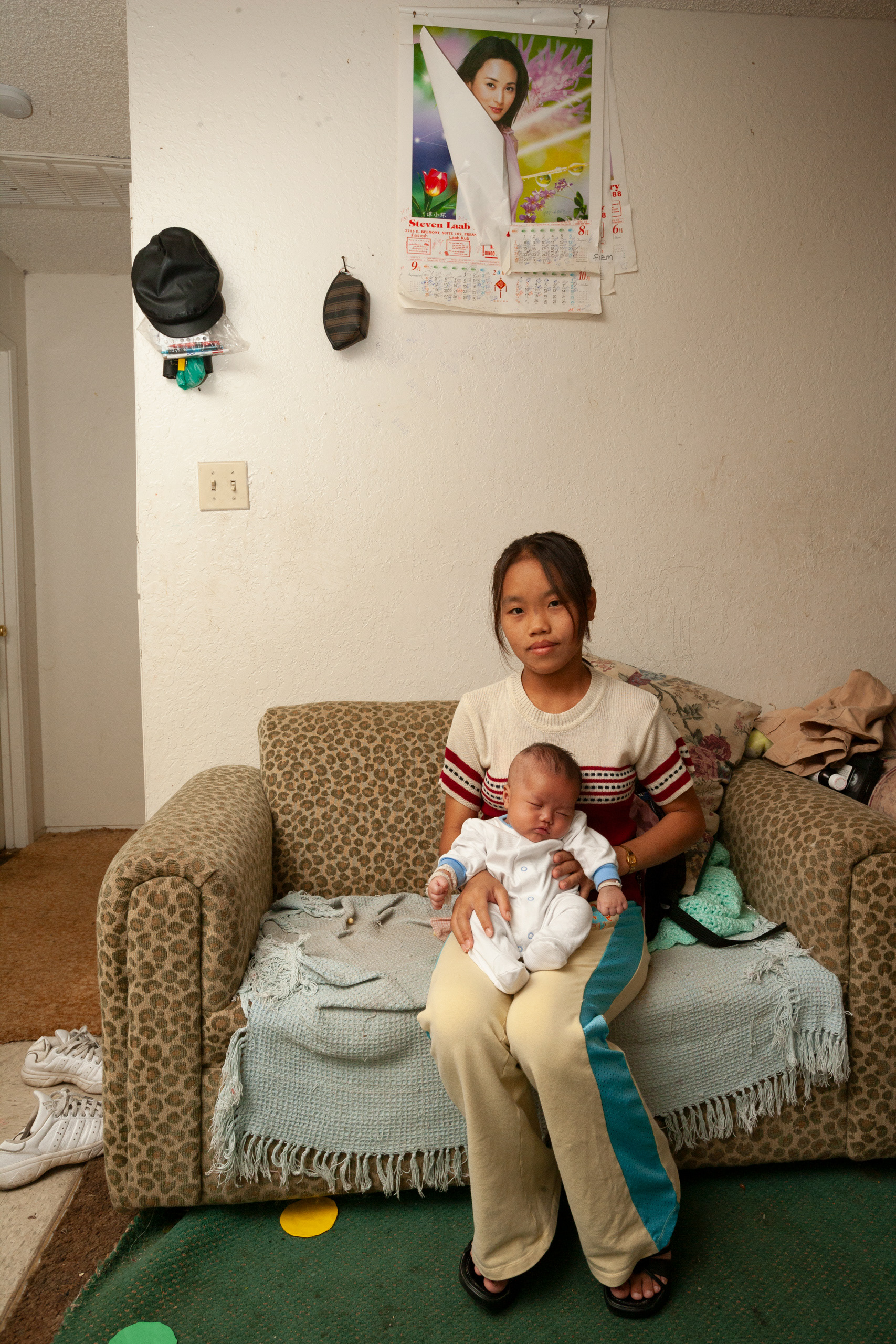
The Her’s daughter, Tia holding her newborn baby. She also appears in frame 17, taken when she was pregnant with the child, October 19, 2005.
Casa Mia-36
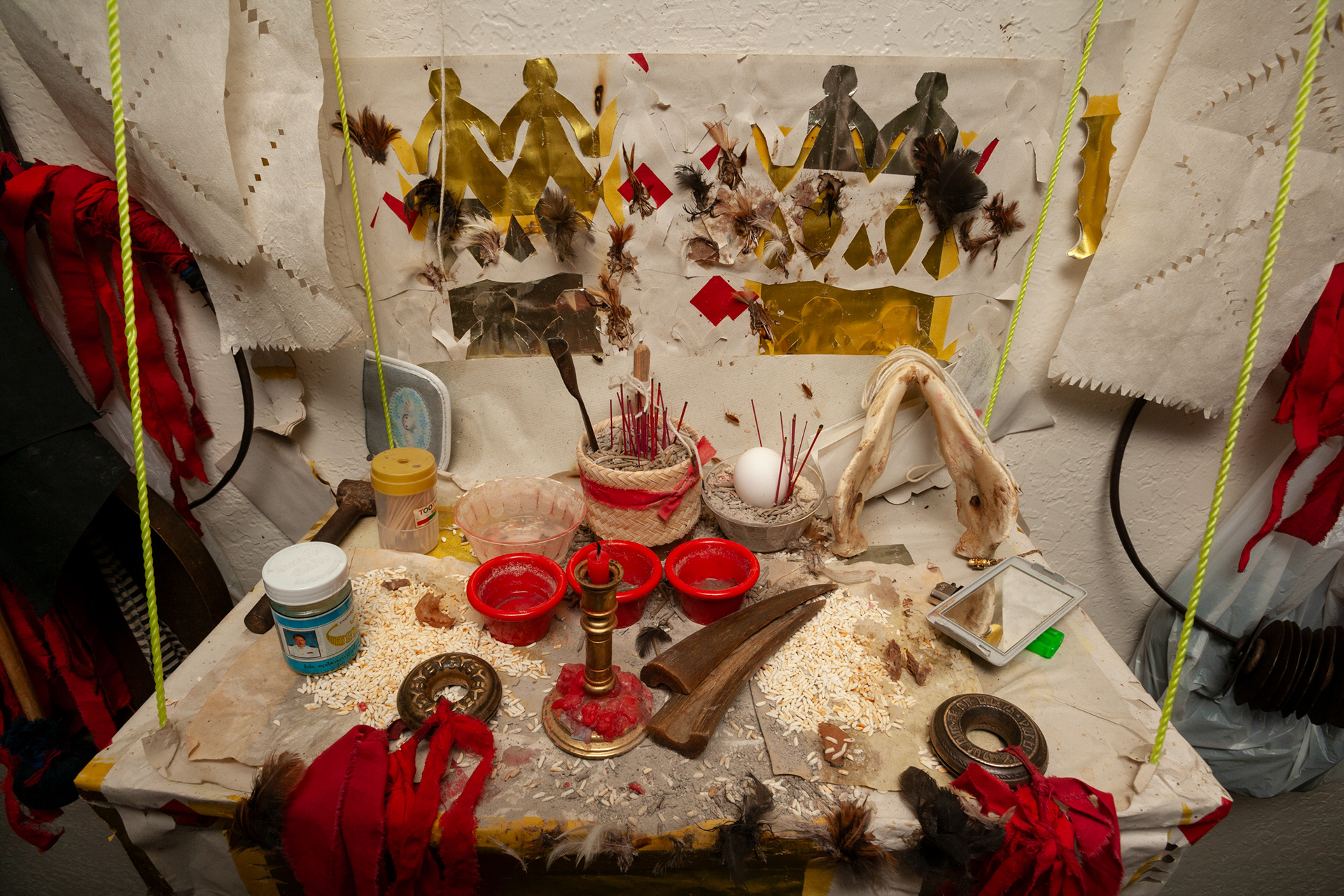
Another altar at the Her apartment with standard shamanic accoutrements: split buffalo horns, finger bells, spirit money, etc.
The pig’s jawbone at the right will be kept there until one year after a soul calling ceremony so the pig can continue to protect the soul of the healed person. After the year is up it will be burned to free the pig’s soul to reincarnate, October 19, 2005.
Casa Mia-37
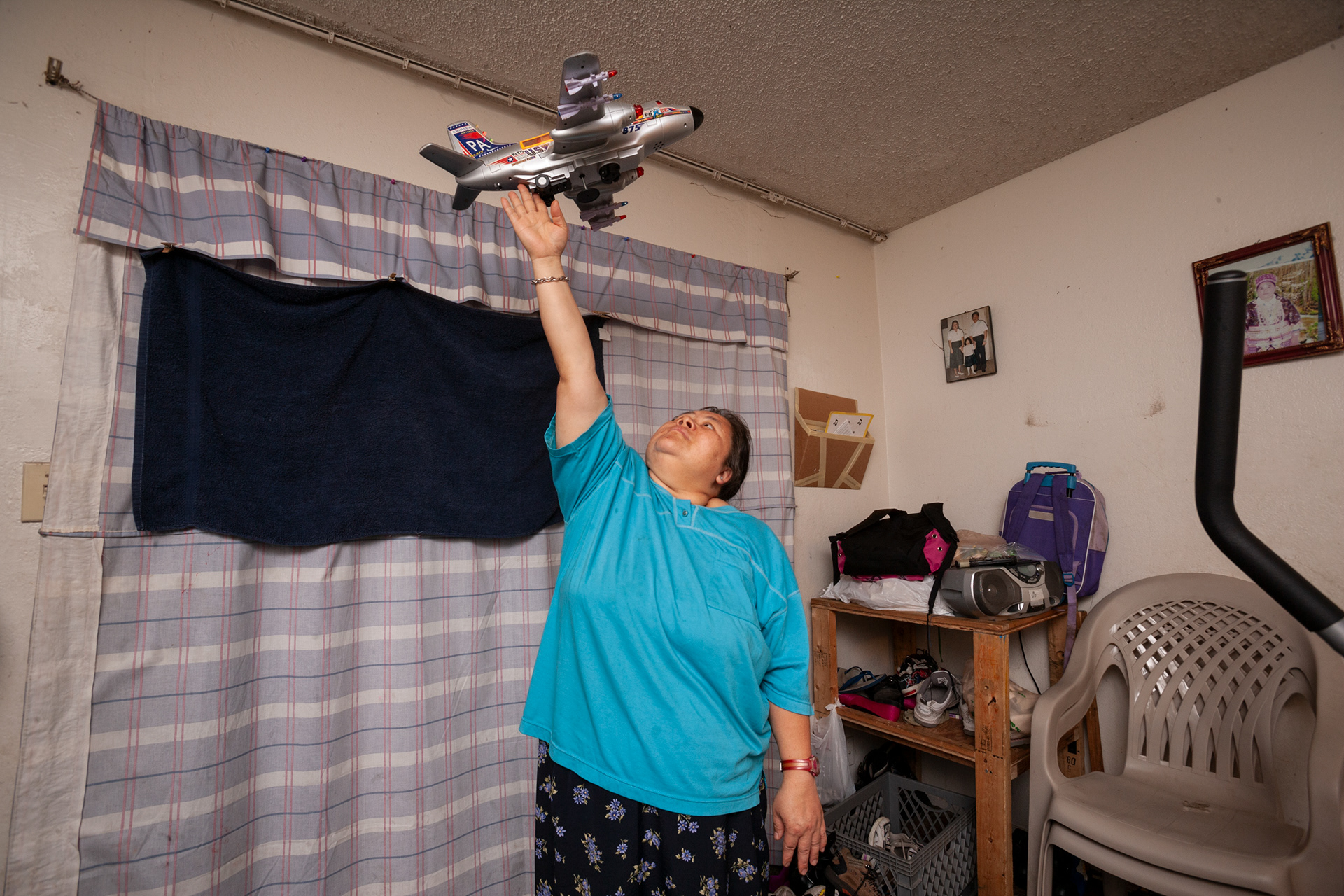
Hanging model airplanes from the ceiling symbolizes a common belief among refugees that, after death, the soul will return to the Hmong homeland, October 19, 2005.
Casa Mia-38
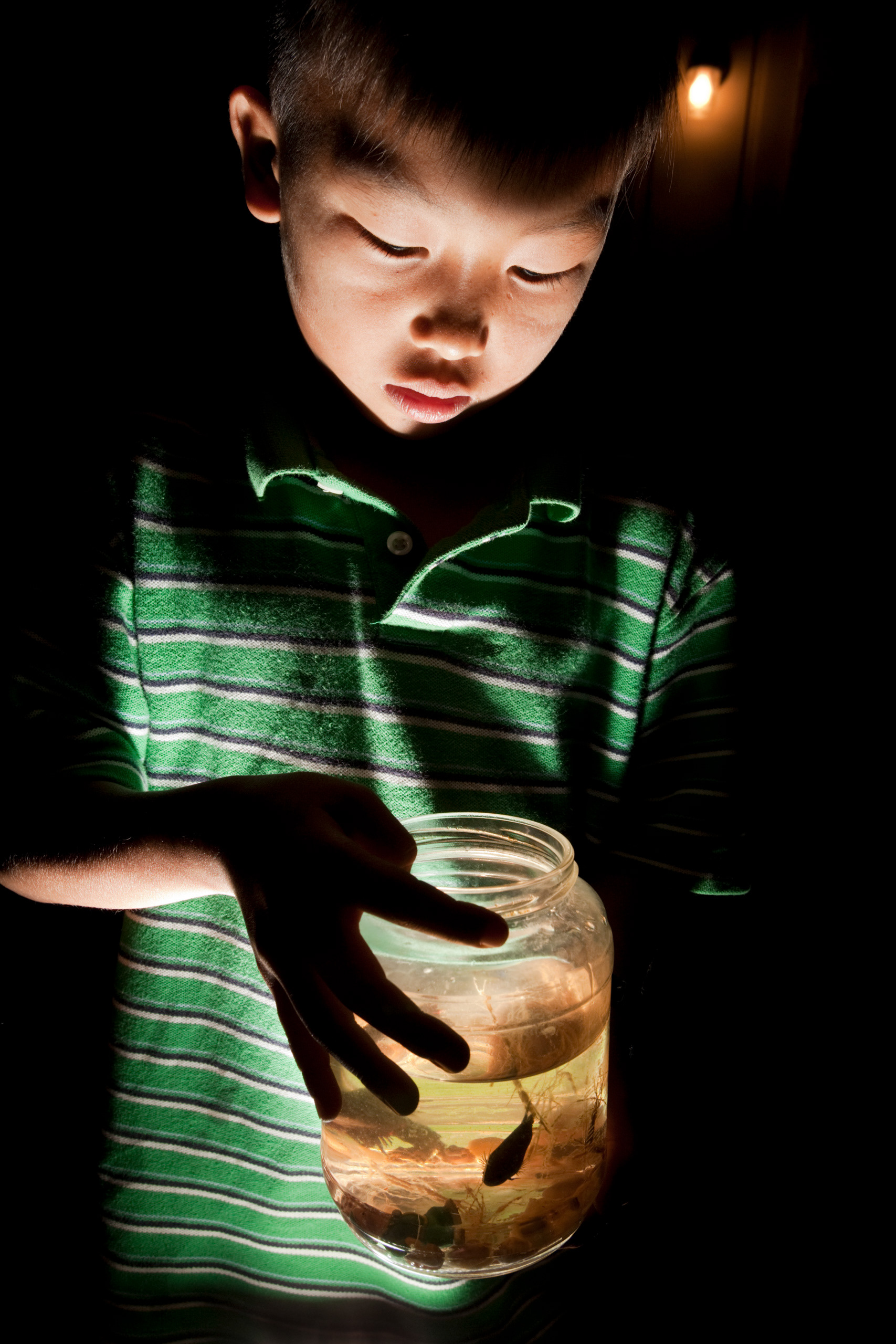
A boy examines guppies that he has caught in the canal behind the Casa Mia apartment complex, October 19, 2005
Casa Mia-39
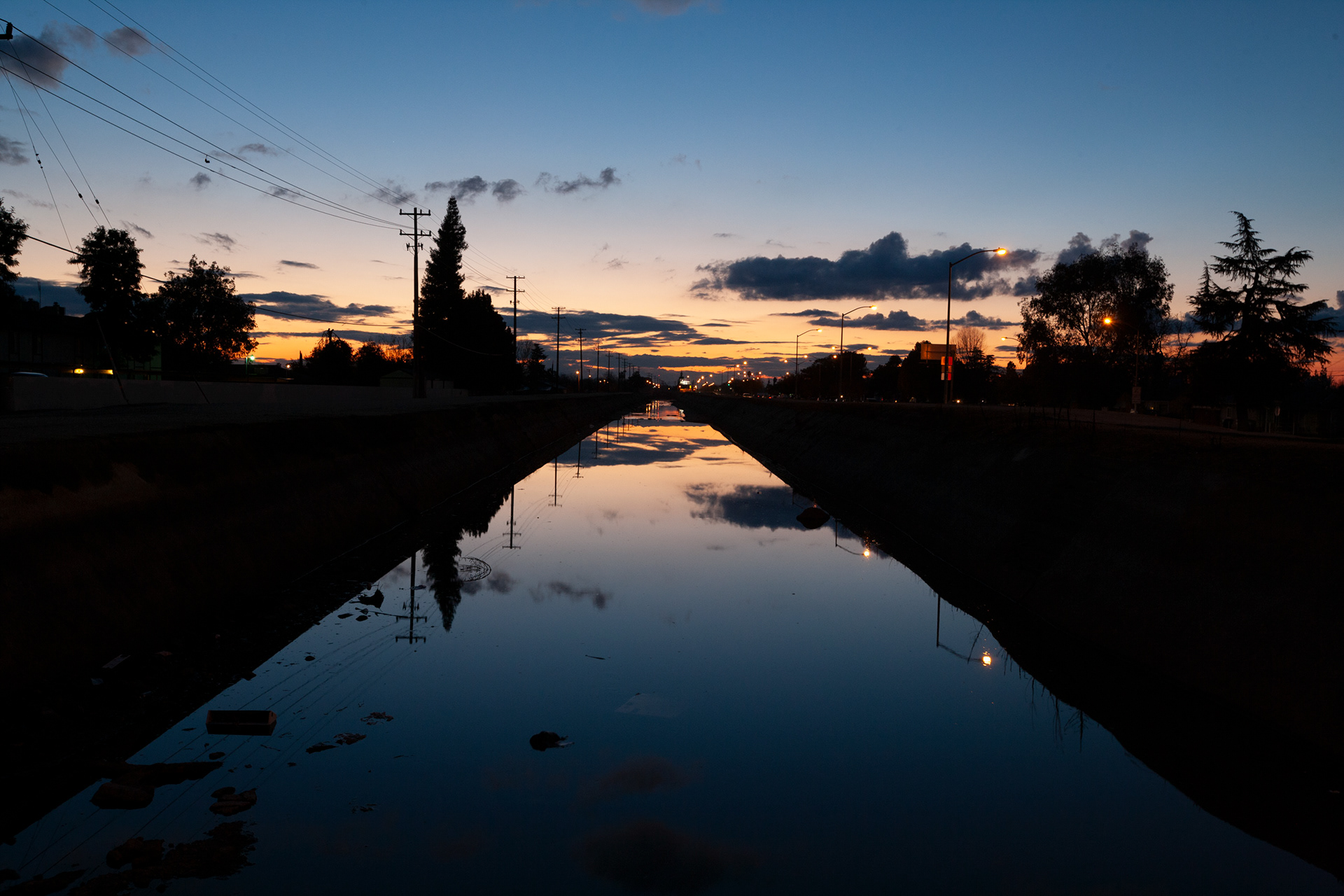
A dusk sky reflecting from the canal behind the Casa Mia apartment complex, February 19, 2006